All episodes
1:1 conversations with CEOs and founders on the real challenges they're wrestling with — no fluff, no platitudes.

Kamalesh went from Oracle to building med-ed.ai — an AI platform for a problem every clinician lives with: medical knowledge now grows faster than anyone can keep up with. We get into where AI genuinely helps doctors learn, why trust (not capability) is the hard part of healthcare AI, the gap between validating a product and scaling a company, and how an Australian startup goes after a global market.
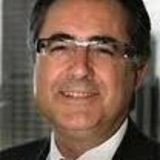
Sam spent 40+ years in commercial real estate at CBRE, DTZ and Cushman & Wakefield. His warning: a bigger top line can quietly hide a worse bottom line. On wanting the right revenue rather than just more of it — disciplined go/no-go decisions, valuing relationships over volume, aligning incentives to profit, and the underrated skill of saying no.
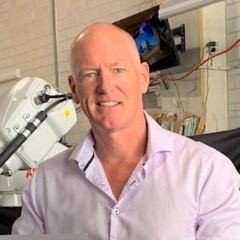
David built Fast Automation from a one-person shop in 1998 into an established robotics and automation business. The hard part wasn't growing it — it was making it run without him. On building systems instead of heroics, developing leaders, preparing a company to hold its value, and the imposter feeling that never quite leaves.
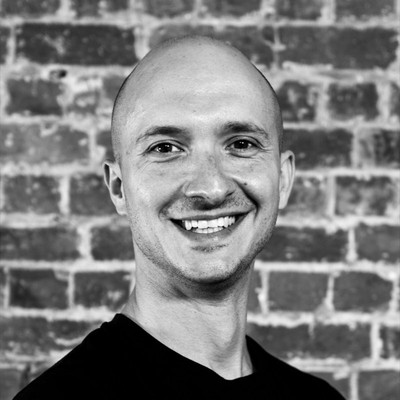
Danny's spent eight years researching what actually makes organisations perform. His argument: the real unit of performance isn't the individual, it's the team — and most AI initiatives fail not on the technology, but because people, incentives and goals were never aligned around the change.

Henry's gone from builder in the UK to CEO of large facilities-management businesses across three continents. We talk about what kind of leadership actually creates impact at this stage of a career — and the companies he's seen fail because they overlooked their people.
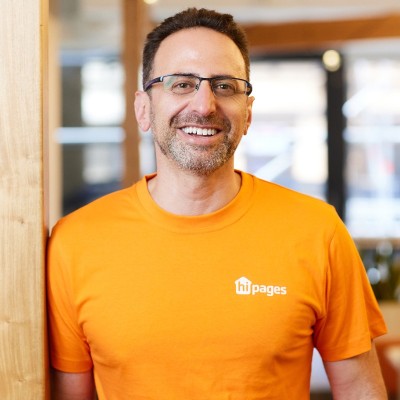
Hipages started as a directory in 2004 and is now one of Australia's biggest trade marketplaces. Roby and I dig into the question every SaaS founder is wrestling with right now: how do you stay relevant when AI agents are eating the front-end?
Ben's scaled ClassCover to 5,000+ schools. The thing no one says honestly about AI adoption in SaaS: it isn't being slowed by resistance, it's being slowed by capacity. Shiny-object syndrome, founder pressure, and how to actually get AI into engineering workflows.
Manu shrank his firm from four partners to two and assumed the hard part was done. Then he realised the business had quietly become him. What scaling beyond yourself actually takes — and the personal patterns that quietly shape how you manage.
Kenny left 20 years in IT to start an ice cream business. He came on wanting to talk margins and rising costs. We ended up somewhere more uncomfortable: is the real problem the market, or the operator? No filter, no PR-speak.
Sarah ran 400 hotels and 21,000 people as CEO of Accor Pacific. Then she was made redundant. The conversation about what that actually feels like at the top, why most senior leaders come out damaged, and how to keep your identity independent of a title.
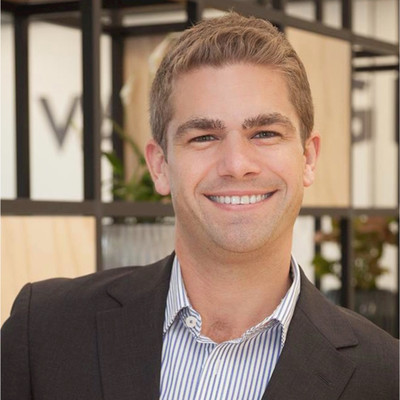
Chris built Vantage Strata from zero to 14,000+ lots, then stepped aside. Now he's building Taylr Services — a venture that's harder, slower and more capital-intensive than anyone except him seems to see. Founder psychology and the strange advantage of slow progress.
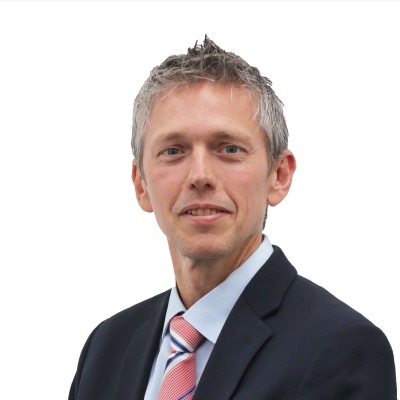
Paul's been senior at DHL, CEO at Converger, now owner-CEO of Dataline. The thread: how do you innovate inside an existing business without breaking the parts that already work? When buying growth beats building it, and how leadership style shifts across phases.
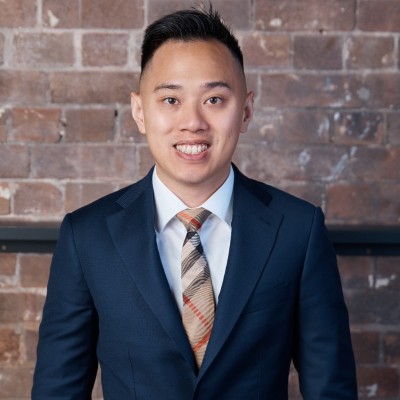
Will started as a mortgage broker. Now he runs Mortgage Pros with teams in Australia and the Philippines. The lesson he had to learn the hard way: being good at the work doesn't make you good at running the people doing the work.
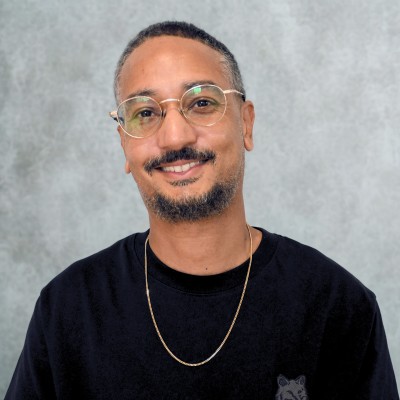
Merv left the Big Four to start Agiro, a ServiceNow partner. The bit founders most often hide: sales. How to do founder-led sales when you're not a salesperson, when to bring in a specialist, and how to tell if they're any good.
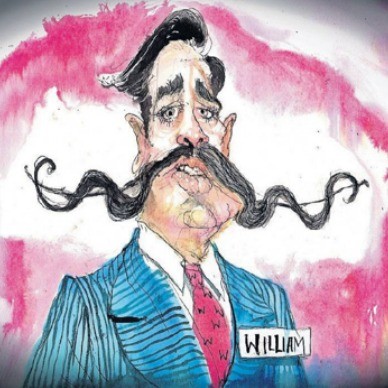
Patrick co-founded Rixon Capital and grew it past $170M FUM. The product works, the discipline is there — the bottleneck is raising capital at the speed borrowers need it. Why distribution is the actual constraint for emerging funds.
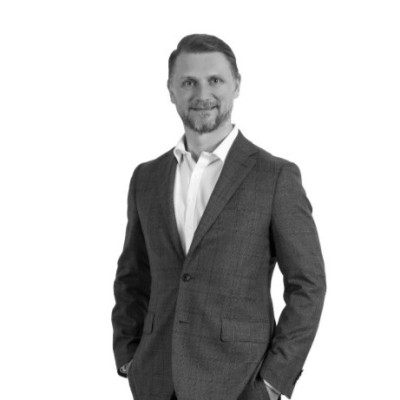
Ben left a senior corporate role at JLL to buy a roofing maintenance business. Different world, different management problem. Why the corporate leadership playbook doesn't transfer to trades, and how to spot leadership potential before someone has the title.
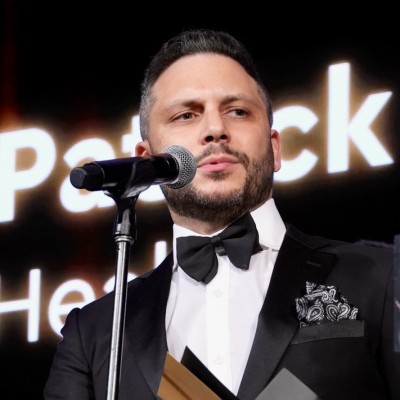
Dr Patrick Aouad is a neurologist who built CU Health — a virtual platform connecting GPs, psychology, dietetics and leadership support for corporate teams. Going from clinical practice to running a tech-enabled healthcare business is a different muscle.
Rahul left product management at AWS to start Monetas. Product-market fit in a regulated, broker-dominated industry isn't the same as in cloud software. Customer acquisition, why trust is the actual product in finance, and where AI fits without breaking what should stay human.
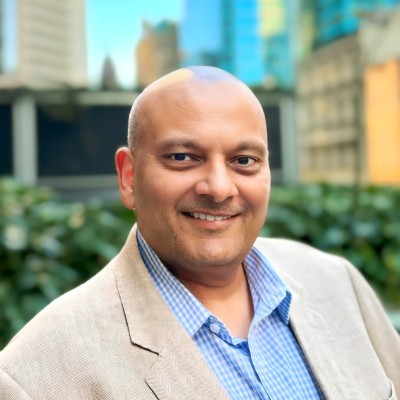
Lakun moved from corporate finance into the CFO seat at Hello Clever. The mental shift was bigger than the title change. Cash flow under pressure, why the default in startups has to be 'yes', and the CEO-CFO dynamic that decides if a startup makes it.
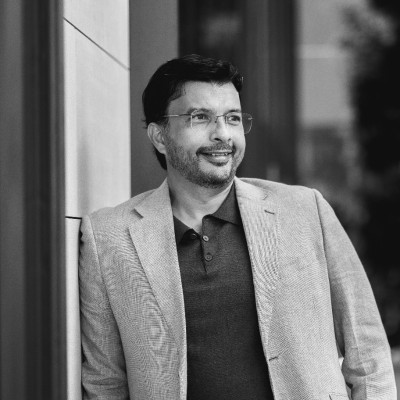
Japan is dragging a glacial industry into modern payment tech. The technology isn't the hard part — it's the board, the executive churn, and the customers who say they want change but resist when it arrives. Strategic decisions under pressure, and the myth that customers buy on price.
Want to be a guest?
If you're a CEO or founder wrestling with a real challenge, I'd love to talk about it on the show. Email me.