
From Broker to CEO: Scaling a Mortgage Business Through Leadership
About this episode
Will started as a frontline mortgage broker. Now he co-runs Mortgage Pros with teams in Australia and the Philippines. The thing he had to learn the hard way: being good at the work doesn't make you good at running the people doing the work.
We talked about the transition from operator to leader, why emotional awareness ends up mattering more than mortgage knowledge, managing offshore teams without flattening them, and using AI to take cognitive load off rather than just adding more tools.
What you'll learn in this conversation
- The transition from mortgage broking to business leadership
- Why emotional awareness is critical to effective leadership
- How self-reflection accelerates personal development and decision-making
- The role of training in building confident, capable teams
- Managing cultural expectations in offshore and distributed teams
- How AI integration can support leadership and operational efficiency
- The connection between parenting, leadership, and personal growth
- Why systems and structure are essential for long-term business growth
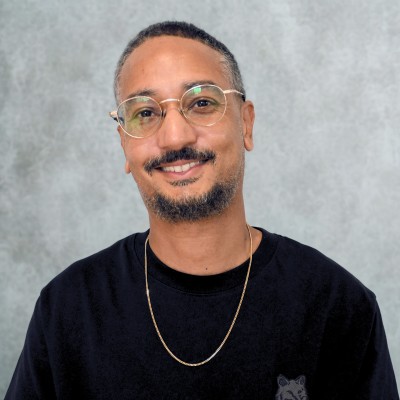
William Thai
William Thai is the co-founder of Mortgage Pros. He has led the business through significant growth, with a strong emphasis on leadership development, emotional awareness, structured training, and operational systems that scale across onshore and offshore teams.
Mortgage Pros
Mortgage Pros is an award-winning Australian mortgage broking firm focused on delivering structured lending solutions for professionals. The business is known for its strong emphasis on leadership development, training, and scalable operating systems, with teams based in Australia and the Philippines.


Full transcript
Read the transcript
And often in growth, for people to grow, there has to be setbacks and there have to be challenges. And the first time you do something challenging, you're going to fail. And it's about picking yourself up and not having these super high expectations that you're going to do a lot better next time. And just accepting small small wins. Consistency always beats intensity when you want to apply a new skill, grow, whatever. And I think that's a big lesson I've learned last year. Who you choose as your partner is probably one of the top
three reasons why businesses fail in my opinion.
Running a business can feel lonely, [music] especially when the decisions get heavy. Welcome to CEO Rispro by Sora Jane. Practical insights [music] from the boardroom and the meditation cushion. I'm sorry. I've done 10,000 hours in [music] three major parts of my life. I've spent 10,000 hours being a CEO, 10,000 hours [music] being a board member, and 10,000 hours meditating. What we're going to do in each [music] episode is really unpack a real business challenge that a CEO is facing and see if we can work through it together. Enjoy.
Hi, good day guys. Welcome. Today I've got Will from Mortgage Pros with me.
Hello. Hi everyone.
Do you want to tell us a bit about yourself?
Yeah, so I am the co-owner of Mortgage Pros. I I founded the company. I own her with my business partner. His name's Russell. We've been mortgage broking and running Mortgage Pros for approximately about 10 years or so. Um, our brokerage, we pride ourselves on offering our clients probably some of the best experiences and best client experience and achieving our customers financial goals and doing that better than pretty much all other mortgage brokerages. We specialize in helping professionals, white collar professionals. We deal with a lot of doctors and we do a really good job with them. Award-winning, we settle probably about like $800 million worth of loans a year. generated about like five to 10 million dollars worth of sales revenue per year with a team of 50 16 in Australia.
It's grown. Yeah.
Um 40 or so in the Philippines and we are growing and I'm hiring now. After this I've got some interviews to do.
Y
um and for me myself personally I how I got into this it was I was in university. I failed university. I dropped out. I stumbled into mortgage broking at another company called Home Loan Experts. I was there for about 5 years or so. And when I was around like 25, no mortgage, no commitments, no children. Like I was like, "Hey, you know, I I can swear here." Yeah. It's like, "Fuck it." You know, let's give this a go. Let's see where this takes us. And yeah, it's probably been one of the best decisions I made in my life.
Okay, cool. So, so the way we run these sessions is we go through business problem. We kind of workshop it together. So, what's top of mind? What's causing you grief right now? Okay. So, what's top of mind at the moment is so I've never done any formal leadership training and what I've what's become painfully obvious to me especially over these past like 3 four five months as we've scaled this business. I haven't been able to I've only kind of recently caught like my leadership skills has kind of started catching up to my technical ability. But the problem with that is I haven't been able to pass on a lot of those leadership skills yet to my team who I've just recently transitioned over the past year or so ago into more kind of leadership team leader roles.
And the problem that's creating is a lot they require a lot more co coaching and a lot of their leadership tasks that they do requires a bit more handh holding from me and what that's resulted in is I've been quite bogged down in these kind of leadership management tasks while when I could potentially be working on other things to grow the business other v like other verticals in the business
such as like AI exploring to commercial finance exploring to asset finance. Lots of opportunities we could do.
Yeah. So, so how how do we phrase the problem? Is it more around you not having formal training, not being great at leadership coaching or is it that it takes up too much time? Like which part of that is
I would say like when I was thinking about it, I was self-reflecting.
I I don't have a proper framework for teaching leadership.
Yeah. and I don't have proper expectations in place for what's expected of a leader. And I think it kind of starts off there. If you have like no expectations in place, it's not transparent. It's hard to hold keep people accountable. And it's also hard to build training around that. So I think that that's one of the first things that I'm trying to tackle this week. And yeah, this is the this is currently the biggest problem I'm trying to work on.
So just phrase it for me. What's what's the problem to solve? for problem to solve. Um, training better leaders.
Yeah. And is that in terms of how do I skill them up or how do how do you get skilled up and being being a better trainer for leaders?
Probably combination of both.
Okay. So, training leaders and getting more skilled up. So, I mean to tell us a bit more about the backstory you kind of started. So, you university wasn't working out. How did you even get into a mortgage broking job? How how did you get your first gig?
Yeah. So I was working in Hilton hotels. I was washing dishes and I was doing university at the same time and with university I just had no motivation.
What were you doing at uni?
I was doing commerce. Yeah, I was I was doing commerce but I had like no motivation. May maybe because
there's no practical element to it and when I was I was watching washing dishes at Hilton Hotel and the place I was working at they lost their contract with Hilton Hotel. So we all needed to apply for new jobs. Initially, I started applying for other hospitality jobs, but kind of midway through that I was like, "Hey, why am I doing this? Like, I don't even like doing this. I hate doing this, and I need more money because I was only working like part-time. So, I decided, why don't I apply for office jobs?" So, I spent a lot of time like applying for office jobs, really spending time preparing for the interviews. And um I was really lucky to be accepted by um a brokerage which didn't require any experience.
Did really well in the interview and by hiding pretty much on the same day I did the interview.
And how do you make that choice though to drop out of uni? Like how do you explain that to Asian parents? I'm going to drop out of uni, become a mortgage broker, which I've never done before.
Yeah. So the story was like when I was working at Home Loan Experts, I didn't actively decide to drop out of university. I was actually doing that and university at the same time and that was ongoing for maybe like a year or two and I wasn't doing so well at university but I was doing fantastic at work. I was going from like PA, loan processor, mortgage broker, and pretty much everyone around me was like, "Why are you 19 to just just drop out? What are you doing?" And I really fought them like tooth and nail like, "No, I would have I'm going to finish university." And I think eventually I kind of just saw the writing on the wall.
I just didn't have a motivation to do it.
So, what year would you been in by now?
I was probably about like 23, 24. as like second year, third year by now.
Second year.
Okay.
Second year because I was doing it slowly. I was failing courses as well.
Um and yeah, like I I just well I think I think one day I just came to the decision, you know what, I'm going to really give broking a redhot crack cuz the earning potential there is going to be huge. And I saw broking kind of like a sport where whatever you put into it, you get out of it. And I've always liked sports. I've always been super competitive. So, um I was like, you know what? This kind of ticks a lot of boxes for me. Let's give this a go.
Then what? So, obviously you did well, you were super motivated. You got good at broking.
Yeah.
But what made you motivated in that and less so university and not washing dishes? Like what was it about broking that made you work so hard? Cuz you'd say the same about a commerce degree, right? It's super competitive. You got people you're competing against. You'll make a lot of money when you finish.
Yeah. I didn't know if I would make a lot of money when I finished like with with a commerce degree because obviously there's about like getting uh
there's a couple levels after that.
Yeah. Yeah. Yeah.
But I think in mortgage broker I had an appreciation for like customer service and sales as well and like you know there's an art to sales and I was like walking towards I was walking towards that and getting an early understanding of it. I was like [ __ ] man this is super interesting.
Do you know what I mean? This is like super interesting like how you tone the way how you choose your words how all of this can move someone or like help someone find the best solution for them.
Mhm. Okay. And so how long were you at home loan experts for?
About 5 years.
Five years. And then tell talk tell about the journey working for them like what did you pick up? What did you learn? How was that experience?
Yeah. So um PA loan processor mortgage broker. Then after mortgage broking, after doing it for like a bit there, I realized, oh, this is this is a young man's game. Like this isn't a sustainable this would be a bit hard for me to sustain like long term.
Um, then after I actually moved into like training and management there.
So what 26, 27 by this stage?
No, I think I was like 24, 25. Yeah, I was always like one of the youngest ones there with one of the higher positions. Yeah.
Okay. So then what made you leave and and do your own thing or so you went straight from there to doing your own thing?
Yeah, pretty much. I think it started what really started it was like Otto. He was the director, founder, boss, and uh man like I owe almost like everything to him. So I'm super grateful like for him if he ever happens to see this. I doubt he will. But
say this episode, super grateful to you.
But I think kind of like me, he started his business super early as well. He started um his business and became a mortgage broker. I'm pretty sure at the age of 18 or 19 and for him it was a big learning experience as well and he was like adapting and everything and he made lots of mistakes but he was really good in kind of self-reflecting and um fixing those mistakes and that's how I reflect on it now but when I was thinking of it back then he he would just have these he would he he had the mentality like just push people as hard as they can and set unrealistic targets and if they don't achieve it and they only achieve 60% that's fair enough and like when he was setting these targets like these settlement targets I'd question them like what where did you get this number for this this has never been achieved in the history of what we're doing before how do you suspect we achieve this you give us like ways and I can't remember his exact words but something of along along the lines you just got to push you can do it
do you know what I mean
yeah and what what would be a target back in the day for a mortgage broker
um there it would have been like 3.5 5 million in settlements
per month.
Per month. Yeah. Per month.
That would have been a lot. Like how many years ago was it? Was it
about 10 10 12?
Cuz back then property price would have been like half a million to a million bucks. So it's like a loan a week is it?
Yeah. Like to be honest back then it is it was super achievable but like you you do need the right team and the support around you. And at that time the big thing I questioned was like okay these figures are achievable. if not we can do double or triple that but we need the right team and the right system around us and I was always giving him like let's do this these are the suggestions that I'm going to give and I would give lots of backing and everything but I think just because it was a big team everything had to be done in the same way so it's not like one person could have like extra support while other while others couldn't and that was the main sticking point that was the main sticking point for me where I was like okay you know I'm not going to get the support I need I'm not going to be able to do the numbers I want to And like I think there's a better way to do this if we just have like better support, a better team, kind of more structured flow of how we organize the processes.
Have different people specialize in different parts of our processes. Do you know what I mean? And just have a broker really focus on just speaking to a customer of initial calls and most important calls. Do you know what I mean?
Yep.
Yeah. So then how do you go from being a broker, making good money with a trail to leaving that all behind to go set up your own thing?
I was lucky at that time my trail wasn't that large at the
W handcuff handcuffed in yet.
Yeah, I think what was my trail? It was probably like 20,000 like a year thereabouts. Um but I just saw like the the bigger picture the the bigger opportunity by you know just doing this on your own.
Yep.
Like like if my fury was possible like you know we'd have the whole process like with specialists at each stage and I could like 3x for volume like you know I'd earn all that back in a couple of months.
Were you married? Did you have your own mortgage at this time?
No.
Okay. So so you still have freedom to do your own stuff. Correct.
Okay. Yeah. So, how did you go about it? How did you make the plan to jump out of Otto's mortgage broking company and set up your own?
Yeah. So, thinking back was a was a bit of a long process. So, I I never liked working alone. I always liked working with someone and I I liked having that kind of environment where I was working with someone. So I asked someone from home loan experts to come out with me and that was that took some time because I I think he wanted to get some get x amount of savings or something. He was going through something. I think he was also going through a divorce at the that point in the war. So it was a bit challenging. So we had to kind of time it to go out at the same time. That that process took about 6 months.
Yeah. We like I quit first and then he came and then we started Mortgage Pros.
And it's the same co-founder you have now. No, it's not. It's not. Yeah, that was my first kind of welcome to business lesson. You know what I mean? You got to be like who you choose as your partner is probably one of the top three reasons why businesses fail in my opinion. I can imagine
and marriages.
And marriages. Yeah. Yeah. Yeah. So about like after 6 12 months that didn't work out.
It wasn't working out.
And what was making it not work out? I think our like our values, our goals weren't in line. Yeah. I think our values and goals weren't in line and we didn't have the I think we didn't have the proper mechanisms to have these conversations like these really tough conversations without like hurting each other's feelings.
Mhm.
And and like what would be an example of like your values not being aligned? Like make it a bit more real. I think at that time like he was going through a divorce so and he was kind of dealing with that trying to like like pick his life back together. So he he was trying to get create some like separation for work but for me at that time when I was starting that business I was like work is my life there is nothing else. I will do whatever I can to get it done. And I was a bit um I think I was like really stubborn with with that and and in that way of thinking and I wouldn't have like accepted anything else.
So you felt like he wasn't doing the hours that you were wasn't quite as committed.
Yeah. But I think also the way I was acting kind of probably put him off. You know when you're like just crazy level of intense and you don't word things the right the right way to be motivating. I feel like I was kind of like being like like kind of emulating the life I had when I was growing up in like childhood. Never good enough. You can do more. Let's go. Let's go. Do you know what I mean?
Yeah. And um
Yeah. I Yeah. I don't think that was the best way for me to handle it. But I think like looking back that's probably the best thing that ever happened to me because that didn't work out. And I found Russell who was also working.
How did you How did you go through that divorce? How do you separate? What did you do? So basically um if we we were to make it alike into marriages, I cheated on him. [laughter] So uh like things weren't going well and I think Russell called me out of the blue one day and he was like, "Bro, I got some deals like I was thinking of sending your way."
You met a mortgage expert at home experts. Yeah. Yeah. And he was like, "Yeah, do you want to send some deals my like I can send some deals your way?" because I can't afford to give the this referral the same amount of cuts while receiving my commissions, but obviously you receive a full commission, so you can probably give them a cut. It's a good opportunity for you. I was like, "Yeah, that sounds good. Let's have a talk about this. Let's have like dinner um meet face to face." And then it started off from there. And the conversation fully turned into like, "Hey, you know what? Why don't we do this together? When you quit, when you when you join, I'm not going, well, this guy will we'll palm him off and we'll bring you in and off we go."
Did you know Russell? Did you work closely with him at mortgage experts?
Yeah. Yeah. Yeah. Uh
did you work closely with him there or?
Yeah, I trained him. Yeah. Yeah. Yeah. So he
You didn't pick him up as the guy to go work with? What was about this other guy that made you pick him?
Well, well, initially before Russell had even started, I agreed to go out with this guy. So I hadn't even met Russell at that stage. And I think when we were starting the business, Russell was kind of still within his first eight months of mortgage broking. So he's still kind of
still junior, still learning, still
Yeah. Yeah. Yeah. He hadn't like truly gotten what the job is and how to do the job really well.
But maybe like a few months after I left, like his he went like like hockey stick. Yeah.
Yeah. So you had this with Russell. You agreed to get rid of the other guy.
Yeah.
What happened next?
Um so I brought Russ. Me and Russell started working together.
Then he closed down the whole entity with the other guy.
Yep.
Yep. had his second divorce in a short period of time.
Second
as in the divorce with you.
Yeah. Yeah. Yeah. Yeah. And then we reorganized our like roles and responsibilities. So with the other guy, I was working kind of I was doing a lot of the sales and a bit of and a bit of operations. I was probably doing a bit too much. But Russell, we completely flipped it. I was like, "Okay, Russell, you do all the sales. You're a better salesperson than me and I'll handle all the operations. I'll still handle like some clients here and there." And um yeah, that worked out amazing. Yeah, that worked out amazing. Yeah.
And and how's the journey been? And so how long ago was that?
That would have been about probably the first time we probably met, I reckon.
Yeah, it was Yeah. Was I think we met about like 8 years ago? Something like that.
Would have been that. Yeah.
Yeah. Something like that.
I got you guys from Hashing, that website.
Yeah. Yeah. Yeah. Yeah.
I remember my first conversation with Russell.
Yeah. Yeah. Yeah.
So then what did you guys do from there? So you've started up the two of you guys. You go out to get your first set of work, I guess. Yeah. So, we were lucky. We still had like some business from like home loan experts customer like base coming to us. We had a referer as well. Um, he was a buyers agent DDP. They were referring business on to us. And yeah, we we just really tried to give the customers the best of the best experience and rates were also going down at that time as well. I think they were going down from like four down to like 3%. So every time the the um rates drop, that's usually when mortgage brokers get really busy.
Is that because people buy more houses or they refinance?
Everything. Yeah. Everything. Yeah. Everyone's borrowing power jumps up and they're like, "Now I can buy
and now they borrow more as well than and one person buys and they tell their friends and family that they bought and everyone's like, "This guy's not better than me. I'm going to buy another." And it creates this crazy cycle. Yeah.
Yep.
Yeah.
It's like the social contract, right?
Yeah. So then how long before you had your first set of employees?
Um, so very quickly after like a month or two, we realized, okay, this is getting we're already too busy. Like even after like a month or two, we were finishing we were starting at 9:00 a.m. and finishing at 2 a.m. on the regular. Um, and then pretty much from there, we used Homeland Experts as like a hunting ground. Yep.
For more and more your recruitment pool. Yeah.
Yeah. Yeah. So we started hiring some support We got some more support from in Australia, some support in the Philippines. Yeah, that was going really well. I I I think one of the things that slowed us down a bit was actually the referral because you know when you got like a good source of business coming in the problem with that the trade-off for that is often it takes a lot of your time and because your time is gone you can't use that time to do marketing or generate other sources of business which may be better or allow you to grow and because of that we never actually did online marketing properly
cuz this buyers agent they'll give you enough work to keep you busy.
Yeah. Yeah. Yeah. But I think after like just sheer determination and sheer like long hours, we started putting more and more effort into the marketing and and we did really well. We started generating like a lot of leads to the point where it gave us the ability to um bring on our first mortgage broker.
Yeah. And what do you reckon made you guys succeed? Because lots of people go out on the on their own and I feel like every man and his dog at some point been a real estate agent or a mortgage broker.
Yeah.
Um what made you guys succeed? I think number one um just having worked in Homeland Experts and working for like a really good company, a really good brokerage and seeing what kind of good looks like. I would say that's huge. And then number two, then the other two key things. So I'll say three things. One, the background. Two, man, just just sheer hard work. Um, and number three, I would say just being open-minded, trying new things, having a growth mindset, just believing like anything is possible.
Yeah. So, how's the journey been over the last uh 10 years then?
Yeah, it's been it's been really good. Sometimes have been extremely challenging.
Steady up. Is it ups and downs? Is it quite plannable?
It's been pretty it's been it's been pretty steady up. It it kind of looks like plateaus and then up kind of like a staircaseish but in a kind of straight trajectory.
Yeah.
Okay. Brilliant. And how's your relationship with Russell kind of evolved over that period?
Yeah, really good. He's he's pretty much like my brother now.
Yeah.
Fantastic. And are your parents finally proud of you? Are they happy that you're happy enough that you dropped uni?
Oh, yeah. They don't bring that up anymore. [laughter]
Forgotten about that.
Yeah. Yeah. Yeah. But I don't know, like after actually receiving all the accolades of awards and the money, like I don't know, man. Like I I just I don't I don't care what they think. I don't care what anyone thinks anymore.
And is that cuz you've won the game of life? Like you actually done well?
Maybe. But maybe like after achieving all of this, I realized, you know, was that actually what I wanted or was was that what was that just like internal programming like put on me? And I think I realized that's just internal programming. You know what I mean?
Like, you know, like when you grow up in like an Asian households, you're always told you're never good enough.
It's negative. Yeah. All your flaws are pointed out
and you're constantly reminded of how the this person or these people are better than you. They're doing better than you. Do you know what I mean?
And your parents never say anything nice to you and as a kid, you just want someone to say nice things to you, do you know what I mean? So your whole life you kind of seek their approval, do you know what I mean? And then finally when I got into the position of seeking their approval, like like being able to like like earn their approval, I was like like did I need this? Like these guys put me through with like so much suffering. Like why do I don't care what you [ __ ] think anymore? Do you know what I mean?
Yeah. It's it's a liberating experience. I mean Asian parents. So when you get 98%
Yeah.
Why don't you get 100?
Yeah. It's the first thing they always say.
Yeah. Yeah. Yeah.
But it it's it's rare though for you then to not seek their approval cuz I've seen I met plenty of people in their 50s and 60s still seeking the approval of their parents. What was it about you that helped you that freed you from that?
Not having good relationship with them. That helps a lot. As not spending a lot of time with them, not talking to them a lot.
Yeah. Bad. And just having a lot of painful memories with them. So, like, you know, like when I I do want to get like close with them, I'm like just like PTSD. I remember all the things. [ __ ] [ __ ] I remember all the things you did to me. Yeah. Yeah. [ __ ] [ __ ] Like, it's fine now. Like, you know, like I don't hold any I'm actually grateful that they did all these things to me cuz they made me they helped me achieve all like all of this. But the whole process has just helped me like help them not own me, live in my like head space, rent free. Yeah.
Okay. And tell us about the business today like who do you target? What's your demographic or customers?
Yeah. So at the moment we target a lot of professionals mostly doctors. I think the demographic is probably people anywhere between the age of like 30 and 50. A lot of white collar professionals. A lot of people are techsavvy. Um and every lots of people everyone like all across Australia.
And how do you differentiate yourselves? Cuz there's a thousand mortgage brokers out there. Yeah.
Well, why do people come to you guys and why why are you so successful?
I think it's just our our consistent level of high quality service ultimately
being able to achieve our outcomes, our level of communication.
Like if you just look at our website and you look at our Google reviews, we got over 1,00 I think it's about 1,400 fivestar reviews and we've never gotten anything less. So, we don't have a four, three, two, or onear review. Yeah,
that's amazing.
We're awardw winning. So, you know, when we say we pride ourselves on customer service, we've got the backing.
Yeah. I hear other mortgage brokers talk about, oh, no, it's about, you know, they'll get you a better rate, they'll give you part of their commission. It's never about customer service. So, what made you pick that to differentiate yourselves on?
So, for for us, like the whole kind of customer service comes down to three things and I think this is similar to Amazon's approach. just man cheap, quick and easy. Do you know what I mean? So, we try to achieve those three things for them.
Okay. So, you try to give them good rates anyway.
Yeah. Trying to give them good rates. Yeah.
For sure. Trying to give them the best deal. [clears throat] Make it easy in terms of like actually helping them unravel their objectives and what they want and then telling them what they can achieve and what's feasible. and doing that in a really kind of simple straightforward way instead of like a roundabout way where it kind of takes like a month to kind of understand oh this is what I'm ellegible for
so making it easy then obviously being quick you know we work like super long hours we're always like prompt with what what we do
so now you've got an organization of 50 people
um and you got to get everyone else to think like that and you must have succeeded if you got 50 people
correct
how did you do And so one of the skills that which I think I was like really lucky to um start building upon in Homeland was training people. I was in charge of training mortgage brokers. Um so I've man I think I've built over like 100 like training modules revamped I revamped them like every year.
What's your success rate if you start training a mortgage broker that they end up doing well
right at the moment? 100%.
No way.
Yeah. Every moer we've hired of training.
Is that cuz you select really really well plus training really well or is the training that good that anyone who comes in you you'll get them to be good?
I think it's a combination of selection training but I think the thing that you didn't mention is the team and the support. So like if you have a big team and a big support and you can like like just say you got a long list of responsibilities. Yeah. If I can cut that down to free responsibilities, the job is like a hund times easier and is a hundred times easier to train. Yeah.
And I think that's the thing that separates us from a lot of other mortgage brokers. Just having a really good team around our mortgage brokers.
So they got the support structure they need to do a lot of the other stuff they do at other companies.
Yeah.
Someone else in the Philippines or someone locally will do that for them.
Correct. So the biggest challenge with being a mortgage broker is in most cases you need a lot of skills which don't come naturally to one person. So that that's you need to be super smart. You need to be efficient. You need to be knowledgeable. You need to have really good communication. You have to have really good like sales skills. It's like having you need to be a really good technician while also being a really good sales guy. And I'm assuming you you've met a lot of people that have combo. Yeah. generally rarely occurs. One in 10,000 something like that level.
If you're lucky. Yeah.
Yeah. And and I I guess the other thing as well, you need a huge level of perseverance because man, it's emotional. It's an emotional journey for customers. Yeah. And you're dealing with this people unloading their their emotional energy onto you every day. And it's hard to do that at volume every single day and not burn out. So that combo of those three things maybe one in like a 100,000 or something. So what we did is we tried to get rid of a kind of the technical ability. Do you know what I mean? And just have a really kind of good sales guy slash super perseverant open-minded person. So it makes finding someone a lot easier to find and also makes training them a lot easier to train.
Got reason. So to summarize what you did, you you just simplified the job for them.
100%.
You just made it so you find a good sales person that great relationships, perseveres, and all the other stuff that other mortgage brokers have to do. You took that workload off them.
100%. That's correct.
So that kind of makes sense. And you're more likely to succeed, right? Cuz you're learning, as you said, a couple of things.
And if you pick the right salesperson who sells anything, be it recruiters or, you know,
I think we're good trainers and I think we're very good trainers. I don't think we're world class trainers.
Okay. So, how's the team looking now in terms of the management structure? How have you set up the organization?
So, we've got six mortgage brokers. They all report to Russell. Um, and then the backend team all kind of ultimately report to me, but they report to managers who report to me. That's like 40 other people. So, pretty much handle all operations and Russell handles all all the mortgage brokers.
And how's that been for you getting so abstracted away from the day-to-day actual processing? Do you still process loans yourself?
Yeah, I try to a little bit here and there. I feel like it's important to understand real. Yeah.
Yeah. On the ground what's happening or like how good our process is and then make adjustments from there. I think Elon Musk said something like, you know, stay close to the problem and that really like hit home with me.
Yeah. So, what do you do now on a day-to-day basis? Like what takes up your time now?
So, at the moment there's pretty much there's two kind of things that take up most of my time. one is like coaching my team of leaders and then two is I am in the process of updating um training material for a new batch of people in the Philippines that we're hiring and like every time we hire a new batch of Philippines for as an analyst role I I I always try to challenge myself in terms of improving the training material and making it better because I feel like if we can just get more and more assessors in the Philippines if it means less assessment gets done in Australia it means the managers have more free time and allows them to do a better job of management plus other things and then that just gives me kind of more free time.
What is your super superpower? Like what's your thing? Like what are you better at than anyone else in the world?
What am I better what am I
Is it putting this training material together? Is it processes? Like what is your thing?
Yeah, I I would say like putting the training material together, coaching and processes. combination of like all three.
And how so you're 50 staff now. What were you like a year ago? Like what's the growth trajectory?
I think last year is probably like 40 45 or something.
Yeah.
So let's just say in 10 years time you'll be 100 people.
Yeah.
Um what do you want your core competency to be then? Like what do you want to make your superpower? What do you want to be really good at in like 5 years?
Oh no. So like what do I want to be or what should I be? Uh what what do you want to be?
What I want to be?
Oh man, I I just want to be coaching leaders. Yeah. I just want to be coaching leaders and and let him kind of like run the show.
And why do you want to be coaching leaders or what does that do for you? Is it does that give you internal satisfaction or is that because then you can offload some of your work?
Combination of both. And yeah, a combination of both. And I think it'll just allow me to do it or give me like I I'll free up more of my I'll free up some more spare time to do other things I want to do in my life.
Mhm. life mortgage pros or just general general life.
General life. Yeah. Yeah.
And why is there a difference between what you want to do and what you should do in like five years time in your mind? Cuz you've kind of have like FU success, right? Like you can kind of choose to do what you want now from a work perspective.
Yeah. I don't know. I think that's the comfortable question. Is it ever enough? Sor
it almost never is.
It's the problem, right?
It almost never is. Like
to experience contentness is rare. That is what one out of a million people will be content with life.
Yeah. Yeah. Yeah. And I and I and I deal with that challenge like a lot. Like I'm actually very content at the moment, but like you know I still have those thoughts like you know is it enough? [ __ ] social media doesn't help as well. Social media when you look at other people it's like it's not enough. [laughter] Are you richest man in the world? No, it's not enough.
Is it is the fear that it's not enough or is the fear that it might all disappear and you'll go back to the Hilton guy? Actually, I don't think I do have a bit of that fear, but not so much anymore. I think it's still that just internal programming from your parents like, "Bro, you're not good enough. It's never enough." Do you know what I mean? And I I think one of the problems I've had is I've used that energy and those feelings to drive me to work really hard, but now it's coming to bite me in the ass. So, there's a couple of things you touched on there. And often what you find is what gives you early success can give you a ceiling of success later on.
Yeah, I agree with that. Yeah.
And that might be what's happening now, right? Whatever that drive your parents instilled rightly or wrongly or the way they did it rightly or wrongly.
Yeah.
That will get you to a certain level. Then you've got to figure out the next level after that.
Y
one thing you want to consider is what what level that parents programming still exists in your mind. Cuz the way I've experienced it in meditation is what what actually happens is like
I assume you were hit as a kid, right? Like every every age was I was
every when I went to my last meditation course I remembered every single time I was hit by my mom.
Okay. Yeah.
Every single time.
Yeah.
Um so that made me realize the mind never forgets this stuff.
I agree.
Um but it just it gets buried deep in the subconscious.
Yeah.
And cuz the way memories work, memories are tethered to each other.
So whenever you want to recall a memory, you got to have a memory that's connected to one that's connected to another. Then you pick up that memory from your mind. And if that last memory that's linked to your subconscious mind atrophies away
then you kind of consciously forget but it's still somewhere deep in the mind
and often it gets stuck so the really traumatic stuff gets stuck so deep it's in the part of the mind that's connected with the body so you only feel it you can't think about it anymore.
Y
so you actually have to get those memories out otherwise what you'll find in life is they will still drive you rightly or wrongly.
Yep.
And you'll be you'll be as damaged forever.
Yeah. Yeah. I I've noticed that I started doing some So, one thing that changed late last year was I started getting more help. So, um you know how you told me like, oh, I think if you have the time, I think it'll be good to do an MBA. So, I started doing I did a one day course on like leadership and I plan to do that like every quarter. But the thing that I started doing differently, I saw one of my friends start um take on the services of like a life coach, personal development coach, I don't know, whatever you want to call it. And I saw him transform a lot and I was like, hey, let me give this a go.
Yeah. So, I started that in August and I felt like, oh, that's one of the best things I've ever done. So, now I try to wake up super early. I woke up today at like 5:45. Did meditation, journaling, I write three items of gratitude. Did an hour an hour run. What else? Write a little bit and then start all my day. Well, do that all before I start my day. I've been doing that. I I've been trying to be super consistent with that for the past like four or five months.
Um, and
what's been the impact of that?
I I think I'm just a lot more in tune with my emotions and how I'm feel I'm feeling like all these things I'm bringing up to you. I'm bringing up to you because like I thought about this and I've spent a lot of time thinking about this. Otherwise, I don't think I'd have answers for a lot of the things you've been saying.
So, I think it's really taught me the power of self-reflection and like like how beneficial it is.
Yeah. In kind of like growing and developing.
But it's it's probably taught you awareness.
Yeah.
Awareness about why do I do what I do? Why do I feel what I feel? Why do I think what I think?
Yeah. Yeah. and having that hour run or the journaling or the gr that gives you that moment to reflect.
Yeah.
And the reason that's super important is as you're going now from like you know from this level to this level um
what you tend to find for the first part of your career your technical skill and your perseverance is what makes you makes you succeed.
Yeah.
You just work so hard as you said you're good at your job and those two things are actually enough.
Yeah. Um, but in the second half of your career, if you want to get to like, you know, coaching people and leading larger teams, it's actually emotional awareness.
Yeah, I noticed that. That became painfully clear to me um over the last couple of months. Like when I do my meditation, I get everything done on time and I feel great. My messaging to people and trying to create so when I when I talk to people, I always try to think first like, okay, what's the emotion I want them to feel? And if I'm in good state and like a high level, it's so much easier for me to do versus like, man, I feel like I had a bad day or things are going wrong.
You're in a shitty mood.
Yeah. In a shitty mood. Like I become unintentionally a bit snappier than I would like prefer to be.
And I think like every day kind of self-reflecting on that and trying to be like just accepting the patience of being 1% better. That's one thing that I've struggled with all my life cuz your parent like I don't know. I don't know why. I think my I think something to my upbringing, but like I have I was really bad with patience, but I'm starting to get a lot better of my patience and accept like I'm not going to be two times better tomorrow. 1% is enough. [laughter]
Yeah. And why do you think that's so important in coaching? Like it is as you've explained. Why do you think that is? Because I think like in growth like very rarely do people grow like this. And often in growth for people to grow there has to be setbacks and there have to be challenges. And the first time you do something challenging you're going to fail. And it's about picking yourself up and not having these super high expectations that you're going to do a lot better next time and just accepting small small wins because I think like consistency always beats intensity when you want to acquire a new skill, grow, whatever. And I think that's a big lesson I've learned last year.
So I I'll ask that question another way though. Um so your parents probably didn't really care about your emotions, right?
No.
No. Maybe I think they did, but like I I don't think they just showed it in the right way.
They didn't show it in a way that Right.
Your parents wouldn't have sat with you thought, "Oh, now what emotion do I want Will to have?"
Yeah.
And that's why I'm going to, you know, do such and such.
Yeah. Yeah.
But why do you have to do that now with your staff?
Cuz your parents probably never had that from their employers.
Yeah.
Why do you have to do that?
Why do I have to do that?
Why do you have to care about the emotions of your staff? Like why is that an important skill? I think for people to grow they have to feel safe and have like the right mindset to grow otherwise they'll be less accepting of new information. I think yeah I think it's just getting them in the right state to be able to you know
to to grow. Am I answering? Am I answering
kind of the other lens? Well, the other lens I'll give you is if you treat someone bad, they leave.
Yeah.
Um, but that's actually a new thing. Like a 100 years ago, you didn't have mobility of employment.
Yes.
Um, I mean,
do you think this is like a new skill people are starting to kind of realize?
Well, the reason management is gray, it's not it's not like a fully informed science like maths or physics or chemistry.
Correct.
It's a new thing.
Yeah. Yeah.
Like 100 years ago, you just did whatever the local king probably told you to do.
Yeah. Yeah.
But now we got low unemployment. We got highly educated people.
Yeah.
If you don't like your boss, you just get up and leave.
Yeah. Yeah.
So, it's not actually it's not actually a fully formed science yet.
I think we're getting there the last kind of 20 years. Like, we're figing fig freaking stuff out.
Yeah. Yeah. Yeah.
Um, but it's a skill that no manager before you in prior generations ever had to do.
Yeah. Yeah. That's what I'm noticing as well. Like like just thinking back of of all my previous experiences and people who have managed me. People have done some things well, some things badly, but it's very rare. I I haven't come across someone who does like just everything really really well.
And and that's why you need to care about people's emotions cuz you want them to do you you want to get rid of every aspect. This only a very narrow aspect of coaching.
It'd be like 20% is like how do I kind of get the emotional intent right for this person? Can I figure out what they're thinking? How is what I'm saying reflecting on them?
How do I have an impact on them? But the real mor of the story is um if you don't get that right, they'll get upset and leave and or you won't get the discretionary effort.
Yeah.
At 5:00 they'll be like, "Hey, see you will still on the desk. I'll do them tomorrow."
Yeah.
They won't do what you and Russell did was stay till 2:00 just to get the job done.
Yeah.
Um that's that's a big chunk of the growth that someone has when you move out of a technical skill into a leadership role is to learn how to actually emotionally manage myself and emotionally manage others. Okay. Can you repeat that last statement? That's one of the what? [clears throat] Biggest skills that people learn when they go through a transition.
That is the biggest skill one needs. Actually, there's probably three.
That's the biggest skill.
There's probably three skills. That's the hardest one to learn and that's the one that most people don't learn.
Okay. Okay. Well, that's good to know. It's good to hear that. Like I'm on the right path and this is what I try to preach to my team as well. Yeah, you're totally on the right path cuz cuz most people don't manage their own emotions, let alone another person
cuz most people just stuck in their own head and live their own their own script that they've had forever.
Yeah.
So, they don't get the space to even think about what it's going on in someone else's mind.
Yeah.
And it takes a lot of intellect to do that as well, right? You got to be able to hold your thought, pause it, look at that person's face, wonder what they're thinking, see if they're receiving it, right?
That's what great sales people do, right? They're constantly iterating their message to how that person is looking at them.
Correct.
But a dumb saleserson doesn't do that.
They just kind of read off a script and they don't realize that person's gone off somewhere else. Correct. And and doesn't care.
Correct.
So like some of the skills you develop will totally help you here.
Yeah.
But a big chunk of of it is that actual emotional coaching.
Yeah. Okay. Yeah.
How do I how do I get these people to do what I want them to do?
Yeah.
So let's make it let's call that like a third of it.
Yeah.
Um and that's totally a learned skill.
Yeah. Okay. Yeah. I strongly believe in that as well.
And how how well are you doing at that now?
Um, you you mean in like
on the coaching side in terms of with your team? Is that working? Is that not working?
Yeah, I think it's working. Yeah, I think it's working and and I I've seen them like they've grown tremendously as coaches. Yeah.
But I don't know. I think it's something to do with like coaching virtually for people in the Philippines. There's there's a big difference in culture as well. And in the Philippines, they're like pretty polite and they don't always um speak their mind. And I think any problems in the Philippines, just because there's so many problems in their country, the only way to survive, you brush that [ __ ] under the rug under the rug. So that becomes a bit like more challenging to handle. So like although I think they're good at it or getting better at it,
I think for them to be effective, they need to be excellent at it.
And I think the other complexity you have with the Philippines, it's a different culture. there's a greater power distance between staff and managers.
Like simple example would be like if
you can't expect your boss to work more hours than you cuz you're like well that [ __ ] gets paid more than me. He should work more hours.
But if you're in the Philippines, you'll always leave after your boss.
Yeah. Yeah.
Um because you're like, well, I'm actually below him. I don't want to upset him. I want to tell them tell them what they want to hear. And that's like throughout a lot of the um
a lot of the Islamic countries are like that.
Okay. because often they're not taught to think for themselves. Their mom tells them what to think, their parents tell them what to think,
and in this case, the boss tells them what to think.
So, it is super hard to get coaching, get stuff out of them.
Yeah.
It just it just it just takes more effort.
Yeah.
But I guess you spend a lot of face to face time with them as well, right? So, you've got
Yeah. So, like like every time I go there and they first start, I do, you know, like like me and two other guys from Australia, we're rotating between going there and this whole process takes like roughly about like 6 months. But they have like transformational experiences. Sometimes like there's days where like they're super happy, everything's going well. Some days like they bottle everything in so much that like we have people break down, they start crying. Do you know what I mean?
Like we have one-on- ones with them, they start crying, they start balling their eyes out.
What do we do with this? [laughter]
What is this emotion? We like every time we do it, we get better and better, which is one of the things that um I think we've done really well in business. We've tried to get better every time and I think we're getting to a stage where we're not too far away from being pretty good, man. Like, yeah, give you like a year or two. I can I can write a book about the Philippines.
Yeah. Brilliant. So, is coaching like a tick? That part's working. So, when when you're talking about, you know, how do I train the leaders?
Like like like coaching technical people is a tick. coaching the leaders. I think I am getting better at that, but I want to get some more kind of external help. I want them to see different perspectives. I'm trying to do a thing like every quarter. I'm big into like habits now
and into like slow like slow progress. So, obviously I try to coach them once a like like every week in like a in a one-on-one.
Um, but every quarter I want everyone we take a day off and we just attend a leadership workshop. So, I'm trying to get different leadership workshops um arranged for every single quarter and I would love for you to do another one. So, I can probably speak to you um about that later.
But yeah, I feel like like even the one you did for us last time I think was like super transformational for them.
Yeah. Okay. Brilliant. Okay. So, then you want to think about why is it that you're finding coaching technical people doable and why is it harder to coach managers?
Yeah. Okay. So my opinion with that is with the technical people I've spent a lot of time thinking about it, writing everything down. I've got like manuals, guides on how to do everything. I've got probably like 6 months worth of training material, exercises fully planned, fleshed out, reiterated maybe like six, seven, eight times over a period of six, seven years. Leadership nothing.
Yeah. [laughter]
I think I think that's I think that's fun because you've experienced success, right? Like you've actually done training technical people for like a decade.
You've done really really well.
Yeah.
Um you just haven't done this enough yet.
Yeah. Yeah. I think for leadership I need to just find some time and like like put it together, speak to some people. Man, AI helps so much with building training material now.
So, it's probably very feasible for me to get it done
out and done. Um
and get something not bad in the next couple next couple of months.
Yeah. Next couple next couple of months. it just probably be pain for the next 60 70 90 days.
Y and the other part is training managers is also a harder thing to do.
Y
um because you're not training on skills, you're training on behaviors.
Y
um and then they've got to train the skill onto someone else
and behavior training is much more nuanced.
Speak to me about your experiences. Tell me what it's like being for you. What have your challenges and what have you You know, in the same way you broke you spoke about how you broke down the problem of mortgage broking.
Yeah.
You said, "Oh, there's actually like a thousand things you got to do. So, I'll make it so these three things are your core job."
Yeah.
You want to do the same in an organization.
Yep.
So, I mean, you spoke about like you have your quarterly leadership thing. So, have you ever heard the concept of an enterprise operating system?
Um, I'm not sure what that is.
It's it's a new thing. It's only been around for about 5 years or so. So the theory is there's a there's a cadence to how to run an organization.
Yeah.
Like it's mostly a solved problem now.
Yeah.
Um and it's a combination where you got to have your strategy, you got to have your cash, you got to have your HR, you got to have your KPIs,
you got to have daily standups, weeklies, monthlies, quarterly offsite, your annual goals. There's about 15 things you have to actually bring together
to have an organization run well.
Yeah. And when I did my MBA, oh 15 years ago, probably longer
almost 20 years ago now that this was totally not a thing because people had not figured this.
Yeah, sure. Sure.
It was all around kind of strategy and coaching and financial management and all those kind of things.
Sure.
So you might want to think about do you implement an enterprise operating system so you can take out a lot of the guessing about how to structure an organization out. So, we actually do have a lot of that and like we just finished up the yearlyies as well, like the 3-day offsite um in December. We have daily standups, we have weeklies, all of that. I think you mentioned that to me before. I I did I did implement
all of that across the board.
And how's that gone? How's that kind of EOS gone?
Oh, it's been transformational. I would have made it this far [laughter] like had I not done that.
Yeah.
I'd probably still be in the Philippines.
Been trading.
Yeah. Still be in the Philippines training someone. Yeah. Yeah. So, that's been super trans um transformational, but I think um I don't know if you were alluding to this, but maybe splitting up the leadership role into more smaller chunks and having people specialize in different parts of the leadership. Is is is that what
kind of I mean, so again, I don't know enough about how you implemented it, but there's always nuances to how you implement it.
Yeah.
And then invariably, what will happen to your point there is you'll get people very focused on their silos, and that's super important because people need to be able to go deep in their areas.
Yeah. Okay. Yeah.
But basically the principle is like specialization instead of like being kind of like jack of all trades.
A specialization around a system that you built.
Yeah. Okay. Yeah.
So in the same way you built a system that does a mortgage process, now you're building a system that runs an organization.
Yeah.
So you'll have, you know, functional heads. You'll have the person that's runs for the cash, the people, the sales, the ops, for example.
Yeah.
Um and then you'll actually define each of those roles. You make sure all the KPIs hang them together.
Yeah. um so they all succeed or fail together.
Yeah.
Um and then you'll figure out how to incent them, how to make sure they focus on what's important,
how to have quarterly goals so they don't get distracted and do other things. Yeah. So, it's pretty much like like a better org chart with clear like KPIs, goals and competencies required for each of the roles where it kind of like all ties into each other but also at the same time trying to simplify the role as much as they it can for each person to maximize business like growth profit.
So, that would be part of it. But what
what am I missing?
Yeah. So what differentiates like the 1% of the organizations that I see really succeed
are the ones that do that
but then just make sure everyone's rowing in the same direction.
Oh okay. Yeah. Sure. Yeah. Yeah. That's where the like the standups, the yearly, the monthly, the quarterly all kind of tie in, right? Everyone kind of sees the big picture.
Yeah.
Yeah. Sees the big picture and knows how their function is ultimately achieving the big goal, right?
Yeah.
Okay. I think we've done a big a much better job of that. like over the past year, but I think we can do a better job of like
splitting the role and simplifying it um a bit more
cuz you know the same way that you've got a good process to, you know, train your mortgage brokers,
you want a good process to actually get management team on.
Yeah.
Cuz they're all going to scale. Some will succeed, some won't skill succeed, some will disappear, some will go do their own thing. So you want to completely systematize that. Um and then there's probably nuances around how you set up all your dailies and your weeklies and your monthlies. There might be like small improvements there as well.
Yeah. just to kind of get the guys focus on the most important thing.
Yeah, I found that I I found I had to like I've had to regularly change like the questions based on the needs of a business at that at that time. So tell me more about like okay like building that material like like that that system for upskilling like technicians to leaders. What did that look like for you?
It's to build a system on how your organization runs.
How do you want your company to run?
Yeah. Okay.
That's the system to build.
Okay.
And it sounds like you got like the good very good bones there of how you built it already. Yeah. Yeah.
That might be the area to kind of dive into more.
Yeah.
So then you just need to train each person on less stuff similar to what you do with the mortgage brokers.
Yeah. Yeah.
Cuz you have enough systems and structures and processes kind of built in for all the various parts.
Yeah. Yeah.
Everyone's rowing in the same direction.
Yeah.
And then kind of success almost becomes inevitable.
Yeah.
And anybody that isn't succeeding will kind of self opt out.
So what did you do to try and train like train like leadership?
Training leadership is hard.
[laughter]
So, what you want to do is um the first thing you want to figure out is who are the people that are trainable.
Yep. Okay. Y
and as soon as I say that, you probably have three heads coming in your mind. Y I know the ones. So, you want to probably overindex on them.
Yeah.
And you want to under index on the other people and get rid of the other people and get new people in those roles that are that are coachable, trainable into those kind of leaders.
Yeah, I agree.
Um you'll set up your structures so everybody's completely aligned as as I said. Y
um and then what you want as an end result is it almost becomes like a self-managing group.
Like they actually know what great performance is. They're completely internally built into what mortgage pros is trying to do. Um they believe in the vision. They believe in the values. Okay, this is what I'm interpreting as and I'm applying this to my situation. It's really about setting the expectations better on what good job looks like and what high performance looks like. And if you got the right people, they'll figure it out.
Very much so. Kind of. So the way I rephrase that, it's it's to make the metrics visible.
Okay.
Yeah.
So like really simple.
Yeah. I know I get that. But like I mean like and ultimately is that for the purpose of like okay they can see what's working well and not working well and when something's not working well they'll because if we've chosen the right person for leadership they're usually super self motivated and they'll want to get these skills and they want to perform well they'll just figure it out on their own almost maybe with a bit of guidance from yourself
kind of so what it will be is um I don't know let's just pick a metric let's say um number of leads is super important to you guys right yeah
that might be a lead metric for your marketing department you know generate 100 broker leads a month
and allocate out to these brokers.
Yeah.
So that would be a metric. You measure it every single day.
Yeah.
And you'll pretty soon figure out, oh, we're only getting 70 leads. Something's wrong here.
Yeah.
We're not getting enough or we're getting 110 leads. Everything is great here.
And it will allow you as the leader to figure out where do you need to focus your energy.
Yeah.
Um it's not that then if they're 70, they'll figure out how to get to 100 themselves.
You'll probably still need to dive in and help them,
but it help you focus and prioritize on where to go to.
Okay. Yeah. Okay. I get it. and kind of like focus and help me train on the most important needs first.
Yeah. Have you heard the theory of constraints?
Yes. I love that. There's a book on it, right?
Yeah. There's a book on it. What's the book called? I can't remember.
I remember. I think I recommended to you a while ago, I think.
Did you?
Yes.
I love that book.
Yeah. That's kind of what you're doing in an organization.
Yeah. That's what I felt like that's what we're doing in business in general, just working on the biggest bottleneck.
Yeah. And so but what happens is the bottlenecks get harder to figure out.
Tell me about it.
So you actually don't know what the problem is or what the next big problem is
and that's where having the metric super visible, super knowable that helps you figure out ah that's my next problem I need to go solve.
Yeah. Yeah. Correct.
You'll dive into it for a quarter. You'll run a and you'll find every quarter you can solve about three problems. A
good management team can do about three things a quarter and then every quarter you'll pick up your top three and you'll solve it. you'll suddenly grow a bit more
and there'll be another problem that didn't exist last quarter and that will be your next big problem to solve and then there'll be like an annual thing I know I want to get into commercial broking
and there'll be like an annual target which will have quarterly deliverables as well so it's never about smart people figuring out themselves you'll have to figure out for them but you need to make it super duper visible about how do they figure it out
yeah okay yeah sure
cuz what invariably happens otherwise is um depends on the person but almost all people is they won't solve a hard problem they'll go solve an easier problem.
Yeah. Okay. Yeah.
So, for example, um
No, no, I get that. I get that. Like, I get that. Like, especially if it's not clear which problem takes priority,
you'll just do the easiest. What's the word? They'll go b au business as you
and then they'll solve problems that don't result in cash. Um, as I always say, if if it's like cash is the only thing real, that's that's the only real thing in life. Everything else is fake. So, you know, instead of focusing on leads, they'll focus on vision and values of the organization because that's a much easier thing to do. You can experience some success while leads might be a very hard thing to do.
Yep. I get that. I think we did a really good job on doing that like 18 months ago, which is why I think I was telling you earlier, you know, had a really great year last year.
Yeah.
Cuz we brought in more cash like net, right? Yeah.
So, that's the middle part, right? Is you got the coaching, you got the figuring out what to coach people on.
Yeah. like what problems we actually need to solve.
Yeah.
So the third part and this is stuff that only like you and Russell can kind of do
is to figure out like what's next.
Yeah.
Um like would you always just do home loan mortgage brokers? Would you do your asset finance? Would you do your commercial work? Y
like what is next in the organization uh in in this organization's life life cycle? Or will you just do what you're doing now?
Yeah. Okay. This is the thing like on once we kind of upskill for current coaches, move more of a work from Australia to the Philippines, it gives us a bit more free time to try different things. And I think after trying those different things and I think we just set the goal of always trying to do different things. I think the answer for what we will be doing will be like
blindingly clear.
And I think the first thing you said was probably the real insight is you got to create the space.
Yeah, that's correct. And I think that's where most people fail. They don't create the space.
Create the space. Yeah,
I thought I had the space last year and I was
I was wrong. So like this year is actually the main kind of goal this year would be in your words creating space.
Yeah.
And the risk of it will be is you'll still be growing this year. You might have 60 people by the end of the year.
Yeah.
Um is then to
as you grow other problems will happen and not get sucked back into it.
Yep.
And that you'll rely on like your the guys and gals reporting to you. Yeah. They'll be they'll be be the people that will tell you whether you're so how much they call you back into day-to-day stuff that will be your measure of success.
Yeah. Yeah. I can see that happening already.
Yeah. Yeah.
And then the last part is the technical skills of running a larger organizations.
Yes.
Like you know what's how to read balance sheets, how to do financial forecasts.
Y how are you with that stuff?
Horrendous. Oh actually I can read financials and all that. I read like financials all the time. Numbers really.
Yeah. Yeah. Yeah. Yeah. Yeah, I can figure all that out like I think relatively easy but this is just based on like intuition. Do you know what I mean? It's not I don't have formal training or anything for it. So again the mage broker in the same way you teach brokers how to process a loan.
Y
there's probably like half dozen parts of running business and what would be it be like how do you set up HR policies effectively? How do I forecast my finances? How do I manage my cash?
Yeah.
How do I incentivize my guys? They're just technical skills you need to learn.
Okay. Yeah. Sure.
Um they're not they're not super complex to learn.
Yeah. Um I I always recommend the MBA because I reckon that's the best way to do it. You get great foundational.
Yeah, I I I really did enjoy that one day course that that I think it also does come part of like the MBA
and I think I want to keep on doing more and more of it. I think I just need to see like okay like how much time it takes away from me versus like other things I want to do in my life.
Yeah, it's it's an insane commitment. I mean so I didn't mind like part-time over 5 years like one night a week. Yeah,
is a bloody long time.
And for me, it's less about completion and it's more about learning. If I just wanted to complete it and get it done and take it off the box, I can do that. Do you know what I mean?
But I think you'll learn a lot of competencies that you'd hopefully bring back to the business.
Yeah. I'd rather learn at like a much slower pace where I'm learning things that I can apply to the business, just not for the sake of like getting a certificate,
which I found I hated when I was doing in university.
Yeah.
Yeah. Yeah.
Okay. So, they're probably the main parts. Um to going back to the question, right? So how do you how do you train your leaders and get better at training?
Yes. Um okay. So I I think I I think I need to invest more time into preparing material in terms of training the leaders really kind of identifying and writing down the kind of
I don't think it's materials for the leaders. Materials will be for your technical stuff. It'll be to set up the systems and processes for your leaders. systems and processes for the leaders. Okay, like that's pretty much set up. I think maybe it it'd be more so about revisiting that after revisiting it kind of making the showing what good job looks like and making that super clear and talking about that more regularly and then I think from there then the material and the training can come through. Yeah. Yeah. And I and I think obviously like bringing people in, having that part of a pro, like ongoing learning as part of a process, I think will be instrumental.
And what about the second part about getting better at coaching yourself cuz it sounds like you're you're pretty good at coaching now. It sounds like that's not a thing you need to improve a lot.
Yeah, I think I'm still going to keep on like investing into it.
I mean, don't stop investing, but it sounds like that's already solved this for you, is it?
Yeah, I think so. Yeah, I I I'm feeling a lot more confident about it. like the session I had a a day course um at AIM I and it was like wow I was like super I learned so much
what what did the course cover what was the gist of it
I think it was called like high performance like coaching and um I I think they did say like a lot of the things that that you mentioned and um yeah just like how to coach delivering messages all of that became like super clear to me like so many things like clicked for me when I like think back to it so I did want to kind of do a few more of those and see like, okay, am I going to have that same kind of transformational experience again? Maybe, maybe not. If not, then I'll
stuff you could apply to your have you applied a lot of stuff from that day?
Yeah, I have. Yeah, I have. Yeah, I have.
Yeah. So, if that's kind of a solved problem, like what is in the actual thing you're trying to solve for?
Cuz it sounds like it sounds like you've kind of got this sorted.
Ye. Yes. Yeah. I I think Yeah. I think now it's about like okay like putting the consistency and the work in like more more so. Do you know what I mean? Like getting all of this action while juggling what I'm doing. You know what I mean? Cuz at the moment like I think we are kind of a bit short on staff. It's either that or we just become more efficient with what we do. But like becoming more efficient in what we do is also easier said than done. And and we are trying we do have an ongoing process to work on that like a little bit every week and I think that's been helping a lot.
We just try to make it like an ongoing habit. But yeah, I think it just comes back down to being like patient with a process and being happy of like 1% wins, 1% gains. Like
Yeah. I mean, the other part would might be that if it's I mean, if it's kind of working, you're coaching the guys, you got good frameworks.
Is it just that last little part we talked about is just creating the space for you guys?
Yeah.
To be able to delegate more stuff down to the team.
Yeah. cuz like once that kind of comes through then like all right that now a whole new set of problems come through. So I would say like I'm kind of maybe 40% through kind of like working through the solution for this problem and then once this is solved then like okay next set of problems come at me.
Yeah there will totally be a next set of problems.
Yeah. Yeah.
Um
and what are you doing to create this space right now? Oh, at the moment I'm doing a lot more kind of coaching with them and I'm trying to be a lot more intentional with my coaching. I'm giving them uh cuz they're coaching and they're trying to train upskill guys on knowledgees. I'm on knowledge. So, I'm getting them to prepare um new material, new things to train on and that's a new experience for them and me guiding them through that process as well. So, that's what I'm currently working on. Yeah. And when you do enough of that, that will free you up from a lot of your day-to-day tasks. Will it do it?
What am I going to do next?
Um, so at the moment, the brokers don't have um one-on-one VAS, and I think they still do like a lot of like like admin work, just like responding to customers here and there, like just lots of responding to customers, lots of like just downloading documents and renaming documents. Um, so I think, okay, if we can get them like a VA and free up an extra two, three, four, maybe six hours a day and they can just focus on, man, just do a lot more video marketing. Go on every [ __ ] podcast you can and just get yourself out there.
I think we can bring in like a lot more volume
in theory without actually having to hire and train more brokers.
Now, what would be the next step that you have to do in terms of creating more space in your calendar?
In my in my calendar. on your calendar, right? So, you you coach your guys on how to create their own training material. They'll do it really well. Like, what's the next set of things you you got to do
to create more space
like to have a quiet day, right? So, you can actually figure some of these more complex problems out,
man. Like, I think if I can do that, and ideally, I would love to have like someone else. Another problem that I have is there's like I've got like maybe seven direct reports and I'm starting to realize this is too many. I think maybe four or three would be really good. In an ideal world, just give me two. Um, I would love to create a position where more people report to someone else who reports to me so I have less direct reports so I don't have to solve like seven, eight people's problems, plus do my work, plus do every like other stuff as well.
I wonder if there'd be a world where you wouldn't be operationally involved. You had one direct report. I think that I think that's very possible
if I think that's very very possible cuz I think what you want to do is you want to have your best people solve your hardest problems.
Yes.
And there's a whole set of problem that only you and Russell can solve.
Yes.
And that will be what we take you from 50 people to 500 people. Well, that gives you contentment. I don't know.
Y
but that would be like the next staircase jump for you guys.
Yep.
So maybe that's something to consider. How do I actually get someone to run everything operationally? Y
and maybe Russ will get someone to run everything sales front end.
Y
and then you guys actually get freed up from the dayto-day transactional part of the business.
I agree. And that's we've had lots of talks and like ultimately that's been the kind of main goal we've been trying to achieve and it kind of like goes into like our free hag goal like okay just be fully free just let everything run and like let the Australian team be even able to like train managers in the Philippines and everything runs self- sustaining and okay me and Russell what crazy ideas do you have? Let's give it a go.
Totally.
Yeah. So have you but we've been super like like we've always thought like this is going to be easy. We can get this done in a year and um we've really kind of underestimated how difficult that is to do. Like if I just want everything to run well operationally and not have the team grow and like not jump on new opportunities. I could probably do that in a couple of months. But for it to run well plus grow plus everyone kind of develop an obstacle at the same time. Isn't that like the real problem to solve? Like how do you guys not have to do anything in the business dayto day?
Yeah, that's pretty much the real problem that we're trying to solve. I think what I gave to you is the kind of small steps towards kind of achieving that. Yeah. Yeah. And I've I've brought in my first couple of steps because Okay, this is probably the most relevant to me at the moment.
So I reckon there's probably like 20 steps between now and being free.
I agree with you.
It's probably 20. It's not 100, it's not 10. It's probably about 20.
Yeah.
Have you got that plan together?
Yeah. A rough guideline actually. Yeah. Yeah. A Yeah. A rough
And is that what you're practically chasing now?
Yeah.
Training and coaching is the first couple of steps.
Yeah. Yeah. That is and that's something we've agreed together as a team. We did a whole team meeting to discuss this in the year. And I think we revisit it every quarter, every year to update it, see how we got go.
Yeah. cuz it's a it's a common thing for like when founders transition out. Cuz often what will happen is that we got a technical role, they'll grow a company, reach a level they're happy, then want to go solve the next problem
and they've got to hand over all the company they've built to somebody else so they've got the space to solve the next problem.
It's it's a really common thing you're going through.
Yeah. Okay. Yeah.
But I think you want to sounds like when you're doing it just be super intentional with those next 20 steps.
Yeah. Yeah. Yeah.
And almost like you project planner, right?
Yeah. I agree. And you'll have a quarterly objective and it's it's probably not a year, it's probably a couple of years I find these things take.
So we had a goal of like 3 years. Yeah. Which I thought was like I think that's a reasonable that's a reasonable amount of time. Yeah.
Like without having to sacrifice everything else in my life. That's a pretty good amount of time I think. Yeah.
The risk of those things are is that the first person you put as your direct report who might be head of ops or head of sales whatever it is you might not get the first right person the first time around. You might promote someone internally and they just don't succeed and they go back down. We might go external and bring someone in and they just don't fit for whatever reason. So there might be a couple iterations to it, but three years kind of seems reasonable.
Yeah, I think that's okay. And I think like I'll do a good job at that time was setting expectations for my team. Hey man, I'm [ __ ] new to this, bro. I don't know if this is going to work. You guys don't know if this works. Let's try. No hard feelings.
Yep. Perfect. Anything else you want to talk about? Anything else you wanted to ask? Tell me like how how are you staying on top of like AI and all the changes and like implementation of AI in what you do and how do you make this like an ongoing habit with what you're doing so you don't like try and just do it all in one day and you kind of do it in chunks and you kind of stay as up to date as possible in terms of integrating into what you do or what you see other businesses do in terms of spending time into in terms of integrating into what they do. So the lens I'll give is maybe a bit different.
I think the thing with AI is you want to think about how do I implement AI effectively in my organization.
Yeah.
Cuz theoretically anyone that's pushing keyboard buttons will either disappear or 80% of their role will be automated.
Y
um that that's kind of where you want to get to.
Yeah.
And I think that's what the new upstarts in your plate in your game are trying to do, right? They're trying to use AI to automate data checking, consistency, and all that kind of backend stuff.
Yeah. So the analogy I'll give is um you might not be old enough but like when Excel first came to be
Y and I'm old enough for [laughter]
um like companies had to teach stuff how to use Excel.
Yeah, correct.
That was actually not a thing.
Y
um they had to teach stuff how to use computers. They had to teach staff once upon a time how to use typewriters.
Yep.
And you need to completely embed that as part of the organizational training. Y
this is actually how you use AI. This is what chat GPT does. these are the agents we have and you actually got to build that as a core competence in your organization.
Yeah.
Cuz staying on top of it will be fun and interesting for you. Um but it won't help you get it implemented internally.
Yes. So that's what I'm finding the hard part is like implementing it. But obviously there's a lot of time to do for the implementation and like you know sometimes like like say we did spend a lot of time implementing like like the use of chat GPT and now Gemini free has come out and this is way more suitable for us because everything we do is on G Suite what a waste of time
for like implementing how do you deal with that
so you kind of kind of got to pick which horse to back but even if you implement chat GBT I mean part of the compliments you'll implement is how do I use AI in an organization And then every year there'll be a better model. Next year T6 might be better and you might switch back and forth,
but you'll be really competent on how to implement AI internally.
Yeah. Okay.
So you you'll kind of you'll still get 90% of the win
and the last little bit you might need to change.
Yeah.
But it'll be like how do I but like how often would you reiterate it like reiterate that process, reiterate the applications.
Do you know what I mean? Because like this is it's quickly changing and there could be an argument. Maybe you should re reiterate like every week.
So you probably do like every quarter. Like this stuff moves really quickly.
Yeah. Like is that fast enough?
Like the problem is an organization of 50 people, you can't do more than once a quarter
cuz by the time you It's not It's not you and Russell anymore, right?
Yeah. No. No.
So by the time you test it out, you build a proof of concept, you get an agent running, you create a training manual, you train 20 people on how to use it.
Yeah. Something new will be out.
Something new will be out. So you can't iterate it more than once a quarter. If you were developing software like a lot of software companies now will do two releases a week. So every week there's new versions of the software there's two new versions. So you might have that in your processes and you'll be someone will be updating the agent twice a week kind of thing but the end users will probably not realize huge magnet magnitudes of difference or see iterative improvements and just know someone out the back is improving the model.
Yeah. I think for us, we've just been focusing on like applying it where we can get like small wins without huge time investment just because we're all so kind of like time poor and we don't want to invest in like huge amount of hours into something and take away from the kind of main mission which is like okay free up me and Russell so we can do other things and we kind of and that that's allowed us to be kind of nimble and like reiterate a little bit more regularly.
But I think with AI is um you want to use that as one of the things that help free up you and Russell.
Yeah. and help freeze your cost space. So hopefully now instead of needing 60 people, you'll never need more than 50 people, but you'll just double your revenue and you'll just get so much more leverage from your existing people. And that would then again be the problem that you and Russell will solve that other people that are in day-to-day wouldn't be able to do.
Yeah. Correct.
And if you're really good at systems and processes and training material, you could totally wrap that into just the next set of processes you do.
You have a Gemini model that does, I don't know, blah blah blah
and that just makes your guys so much more efficient. And again, you guys can do that better than anybody else in the organization, probably.
Yeah. Okay.
And hopefully you guys will have the time in like hopefully less than 3 years, but you'll be freeing up yourself, right?
Yeah. Yeah. Yeah. That's the plan. Well, we're already working on it a bit. And I'm just trying to like build the habit and have a habit like ongoing. Yeah. And I think as we get more free, we just invest more and more into this habit.
And there'll be other things, right? Today it's AI. There'll be other stuff you might want, I don't know, to build a portals, let people upload their own documents if you already have that. I don't know. Um, there'll be other stuff you'll be constantly building.
And every quarter, every year, there'll be more and more stuff that you want to do.
Yeah.
Just to make your operations better.
Yeah.
There might be a world where you might, I don't know, get rid of brokers for some loan channels. You might want to change the way you do referrals. So, there'll always be like a quarterly problem to solve.
Yeah. 100%.
And AI just happens to be the one right now, I think.
Yeah. Yeah. I think it's just more so like you being using AI now to like accelerate whatever we're doing cuz I think it can help in like almost everything. Yeah. Training material. Oh my god. [laughter]
Even writing software. So if you have like small stuff that you want to just get automated,
use AI to write software for you kind of thing.
So that's that's something we've been we've started doing. Um like the team, it wasn't even me. It was someone else on my team which was fantastic. They pretty much started vibe coding and they started automating small parts of the process and all of a sudden this has become like a habit where we have meetings about it and we're starting to automate more and more slowly but surely.
Yeah.
Yeah. And then one day I reckon I reckon 90% of what you do probably automated. The broken part probably never cuz you always got to talk to a person make you feel comfortable.
Yeah.
But a lot of the the stuff afterwards.
Yeah. Yeah. I think bigger and bigger chunks will be automated. Yeah.
Yeah. Perfect. Well, last thing for a question I always ask all my guests. What what is something that you've you always thought was you've always known to be true but later on you found wasn't?
That's a good question. Okay. So something that you've always thought to be true but you found out later it wasn't. I probably earlier on like I thought like just with hard work you can pretty much do anything but like in business I found later on especially at this stage you can't like yeah it's it's a double-edged sword you have to work you have to work smarter you have to like engineer your energy so you have enough energy throughout the day you have to allow yourself breaks you have to allow yourself like a relaxation day you have to be able to engineer your life and set up systems so you're in a good positive mindset. I think
if you want to get to that kind of next level.
Yep. Totally. The other part as well is um when you work hard, there's only so much you can do, but now your job is trying to convince other people to work hard.
Yeah. Yeah.
Perfect. Awesome. Thank you, Will. Thanks for your time.
Thanks. Much appreciated.
Thanks, guys.
Thanks for listening. I [music] hope you enjoyed it. If you do want to be a guest, make sure you hit me up and do follow me on socials and [music] make sure you check out future episodes.