Profitability vs Reality: Why Great Products Don't Guarantee Success
About this episode
Kenny left 20 years in IT to start an ice cream business. Two years in, the conversation he wanted to have was about margins, costs and rising competition. The conversation that actually happened was different.
We pushed past the surface question — is profitability harder right now? — into a more uncomfortable one: is the problem the market, or is it the operator? No filter, no PR-speak, a raw look at how mindset and priorities shape small business outcomes.
What you'll learn in this conversation
- Why profitability is getting harder in retail and food businesses today
- The impact of rising costs, competition, and customer behaviour on margins
- Why more competitors don't always mean more demand
- The limits of product quality as a growth strategy
- The role of differentiation vs convenience in customer decisions
- Why "story" and branding may not always drive revenue
- How location can outperform product and marketing
- Why revenue problems are harder to solve than cost problems
- Strategy vs luck: why some businesses grow by chance — and stall
- How mindset and priorities shape business outcomes
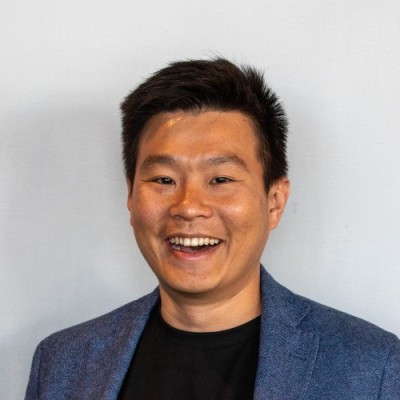
Kenny
Kenny is the founder of Lily Ice Cream, a Sydney-based ice cream business. With a background in IT and software sales, Kenny transitioned into entrepreneurship to build a business focused on creating joyful customer experiences through food.
Lily Ice Cream
Lily Ice Cream is a Sydney-based ice cream business that manufactures its own products, operates a retail store, and supplies wholesale partners.


Full transcript
Read the transcript
How do we stay relevant? How do we stay in business? We have a team, so we have people that that work for us. You know, they have families, they have dreams, they have aspirations. How do I continue to support them so that they can, you know, achieve their potential? That has an impact on profitability as well, because you can't invest in, you know, 100 ideas or 10 ideas. Sometimes you just you could do one, which means that you have to choose. And my how you look at things. Does that mean I'm doing poorly? Am I going backwards? Or my mindset is like to sell more cakes and there's you don't need a team for cakes.
Who we want to be. And I think that's the one of the hardest uh um for for a emerging business or for a new business is to find its identity and and to to stick to its identity. Running a business can feel lonely, especially when the decisions get heavy. Welcome to CEO Rispro by Sorabh Jain. Practical insights from the boardroom and the meditation cushion. I'm Sorabh. I've done 10,000 hours in three major parts of my life. I spent 10,000 hours being a CEO, 10,000 hours being a board member, and 10,000 hours meditating. What we're going to do in each episode is really unpack a real business challenge that a CEO is facing and see if we can work through it together.
Enjoy. Hi good day guys. Welcome to another episode of CEO Rispro. Today I've got uh Kenneth from uh Lily Ice Cream. Want to tell us a little bit about yourself? Sure. Thank you, Sorabh. Thanks for the opportunity to be here. So, my name is Kenny. And uh we we are in the ice cream business. We make people happy. We manufacture our own ice cream. We have a shop in Chatswood uh and we do a lot of contract manufacturing as well. Yep. Perfect. So, the way this works is we pick a problem that you have. We kind of workshop that together. So, what's top of mind? What's something that you need to solve or you're trying to solve in your business?
You know, I I Sorabh, I had to think about this on the way here and and since you told me that this is happening um and I think, you know, it's very topical now to talk about profitability Because, because, you know, what's going on in the world, unpredictability, cost is rising, you know, few interest rate is rising, people have less money. But, how do we stay relevant? How do we stay in business? Yeah. How do you make sure that you keep making money, I guess? Yeah, well, not just making money. How do I, you know, we have a team. So, we have people that that work for us, you know, they have families, they have dreams, they have aspirations.
How do I continue to support them so that they can, you know, achieve their potential? Yeah. Yeah. Okay. But, it's really about how do you how do you make the company make money, right? So, they can support them and keep paying them and those kind of things. It's actually, yeah. Okay, cool. So, it's profitability, right? Give us some background. How did you How did you get into the ice cream game? How did that happen? Um I am an IT guy by trade. I went to uni, I studied software engineering. Um and I did 20 years of IT. Yeah. Um on the side, I've always wanted to run my own business. Uh there was an opportunity in early days to to to buy an ice cream shop.
Went into ice cream.
It's really helpful me on that. So, how do you go from wanting to run a business to picking ice cream as your industry? How did you make that jump? I always had a plan. I always had a plan to to be self-employed by a certain stage in my life. When we were ready for that plan, COVID came, so we couldn't do anything. It was always part of the plan to do ice cream. But, I mean, so I'll get the self-employed, but why ice cream? What what made you pick that? Ice cream makes people happy. Do you like a lot of ice cream? Do you love do you love ice cream? I love I love the fact that ice cream connects people.
Yeah. You know, over Sunday, over school, you know, there is so much variety, yet no one can agree on one flavor. You know, it's just so so such an interesting space. Okay, so so you like the the social aspect of ice cream. Yeah. Did you have a look at the economics of it as well before you got in? Yeah. Yeah, we did. And, you know, raw ingredients were really cheap. The process is is tricky. It's it's it can be com- complex. Um but yeah, it was a highly marginal- highly uh profitable business. And did you pick ice cream first then do the financial what model did you do financial model first and pick look at 10 different industries and pick ice cream?
Yeah, I think it happened at the same time. Sometimes life offers you opportunities and an option. And and when we got into ice cream that was one of the few options that were available. Okay, for you what what are some of the other things you looked at that you ended up turning down? Uh bubble tea. Bubble tea? Oh yeah, I was going to ask you about that. Bubble tea, yeah. Bubble tea? Yeah. Um what else? I almost got into tiles. Into what's that? Tiles. Oh tiles, okay, yeah. Tiles like, you know, floor tiles.
Oh floor tiles, okay.
Yeah, yeah. But uh it didn't go through. Yeah, okay. So we sometimes these things are just a bit of luck, right? Yeah. You find the right thing that you're in the right place that that kind of works and you haven't been in the right mind space. I get you want to run your own business, but food's hard, right? It's super like food spoils, especially ice cream spoils very very quickly. Like what why take on such a complex challenge? Why not something more tech related like I don't know being IT consulting company or build an app or something. Why why do something so different? It's a good question. So you're right, Australians are very discerning with their taste and food is very hard in Australia.
We are country of many people from different culture with different taste buds and their taste requirements. We're not as singular as some some places. But food is really exciting as well. Because of that, you know, we have great food combination. You know, we're not just a vanilla chocolate strawberry sort of company. Or or country. We make amazing flavors. You could you could add Greek flavors into ice cream and sell it to Asian people or or non-Greek people. And I think that's amazing that you can do that in this country. Okay. So what what what what do you were in tech for 20 years? Yes. Like you've built a whole bunch of competencies. Which of those competencies then transferred over to retail ice cream.
Yeah, so in in my 20 years I had many roles in IT. I started off as in customer success.
Mhm. Uh and and I I slowly found myself in sales IT in in software sales. And ultimately the the transferable skill is to know what people want. So it's the sales side of things that kind of
Yeah. So I guess you were doing face-to-face sales in ice cream sales, right? Yeah, as well. Yes. Yeah. Yes, getting to know what people want, getting them to understand what they need versus what they want. That's that's uh that's a that's a skill that can cross cross all industries. Okay. And how long have you been doing the ice cream game for? Uh we started in 20 11. Yeah, so this would be my 14th 15th
14th year. Oh my god, that's a very long time. Okay, so 15 years. Cuz you you did both for a little while as well, didn't didn't you?
Correct. Correct. For for a period of time I was doing both. Yes.
Yeah. And I know originally you had um you had a franchise brand but then you made your own brand. How long have you had your own brand for? I've had my own brand now for about 6 years. Okay. Yeah. You should give it a plug if you want. Yeah, well it's it's uh Gelato Bliss and the shop is called Lily's Ice Cream. Yep.
Yeah. In in Chatswood. In Chatswood. Yes.
Yes. And how's the profitability been over those uh said 14 years or 6 years, whatever time scale you want to look?
Profitability has has has has been very challenging. After COVID Was it hard at the at the start as well or just now? Initially it was So when we were when we first were in the franchise brand we were the first store that opened up in the country, the first franchise store. Uh so there was a lot of goodwill. There was a lot of people that were working with us. From franchise or From the franchise.
Okay. Yeah. Uh that that brand evolved and became more of a a mainstay. So we decided to come out and and and establish our own own brand. Yep. So how's profitability at the start? Was Has it always been difficult or was it easier at the start with all this extra support? Profitability has has always been it's a very hard question to answer. Ice cream can be seasonal. So, probability could be really good some parts of the year and extremely challenging at other parts of the year. But wait now I guess you you mean your cost base exists for 12 months a year but over like a 12 month period was what was profitability like at the start?
Was it any Is it like 2011, 2012, 2013? Was it better or worse than now? I'm trying to get Um trajectory. Yeah, so it's it's more complex now there are so when we first started in 2011 cost was quite simple. Your P&L had maybe four or five different accounts. You know, it was actually the cost of goods followed by by your labor for followed by insurance and then all your ancillaries. Now there's a lot more. There's a lot more to consider. There's there's marketing, there's social media. Oh, cuz now you've got your own brand, right? Yeah. Like you know, you just pay a franchise fee and someone else does that for you.
That's right. Or otherwise if you look at So, post when did COVID end? About 4 years ago now? 3 years? Yeah, 2 years or 3 years. So, after COVID how was profitability then versus now? And are you finding it easier?
was was was after COVID was was relatively easy. Everyone's out and about. They want to go spend money again. There was a lot of time. There were a lot of new brands and people wanted to try, wanted to experiment. So, that was that was really good. Then we saw inflation went up and obviously with that came increased interest rates and that that played a part in the discretionary spending. So, you saw revenue fall then, did you? Revenue we worked hard and we kept our revenue by being by being organic and by acquiring other companies. So, we maintain our revenue but obviously costs have gone up for us.
Okay, sure. Okay, fair enough. And then how's it now? Is in the last kind of 6-12 months interest rates back up again, inflation don't know, probably going on the up anyway. Yeah, I think we have had a really difficult summer. So, summer was particularly hard. Well, what made summer difficult? Cuz it wasn't summer be your We we had a warm summer but a really stormy summer as well and then it just talks to the industry.
I would have rained but we don't go out and eat ice cream. Yeah, yeah, it's really interesting that that when it rains people don't go out and when they don't go out they don't walk on the streets they don't They don't spend. They don't spend. Yeah. So we had really hot days and that that kept people away and then we had really stormy days and that kept people away as well and and then ice cream you need to be you need people to be a walking and and you know having enjoying the good weather.
Going past your shop and just having a pop in you're good. And is this a challenge that all ice cream companies have right now in terms of profitability? And that's that's another challenge in the industry. We don't we don't have enough we don't have a community of that talk about this. Um but I I would say in general retail is is um it's a bit is challenging. There are some parts of um retail that are doing well. Uh but you know in my in my work and become cuz we do distribution as well and wholesale we we're seeing a general neutral outlook to the whole to the whole economy. By retail you mean specifically like small footprint food and beverage retail?
Yeah, yeah, food food services, yeah. So has anyone really solved this then in your industry? Is anyone doing really well making lots of money? I I don't know exactly but I I can see there are brands that are doing really well. We have seen some new players in the market who with queues out the door every night. Um it's very obvious they're making money. I guess if you have a queue out the door at least you have revenue coming through, right? You got a bit of a chance.
Yeah, I mean I've I've been to those stores. There's that one in Darling Harbor or one in I can't remember their name. It's um you know Messina was the one a couple of years ago. You'd line up for 20 minutes just to get some ice cream. That's right. And that's completely normal counter And and that's one of the the changes in the industry is where previously you would have one or two ice cream shops in the precinct. Now you have easily six seven um uh ice cream shops plus uh you know it's highly stores, bubble tea stores, and they're all competing for the same dollar. Yeah. Why do people line outside like the Messina's or So what's that one in Darling Harbour called?
I can't remember. What about the one in Barangaroo? Nigochi. Yeah. No, no, Nigochi's the other one. Yeah. And then there's another one there. Yeah, Ribiana. Yes. So what Do people line up outside your stores like that as well? We used to. We used to have a line out the door. You know, we we don't we don't have that now.
So you used to have lines out the door? Yeah.
Yeah. Yeah, you know, we we used to be really busy. And we we are still busy. We're just not having that that that line out the door. Yeah. But I feel like other ice cream stores are, right? They still have the lines out the door. In the right place. I think like in some brands they are. They do have lines out the door. So is it a case that when you had a line of, I don't know, five people they had a line of 10 people? Or is it that you've got zero, they've got five? Or is it that I'm trying to figure out You has the proportion changed or number of people changed? Or I think because of the variety of of selection, you know, But the variety would have existed a year ago, right?
Existed five So I don't think that would affect it cuz that's always been there. No, no, so there were a lot of new I'm referring to retail here. Yes, and and you know, I can talk about Chatswood because that's where we operate. Um, you know, in the space of last 12 months there has been easily three, four more ice cream shops. Oh, okay. Well, okay.
So that that has that really plays a part in spreading the queue. Yeah. Yeah. Cuz people line up in different areas. That's right. It's um, ice cream used to be you would only have one or two stores in a precinct, you know, in in my 15 years in Chatswood I've never seen six six ice cream shops in in Chatswood. Yeah. Yeah, fair enough. And I guess that only kind of works like you only do well out of that if number of people eating ice cream increases. Yeah.
But it probably isn't really increasing, I'm guessing. It probably is the same or somewhat marginally increasing. So people are having ice cream. Yeah, our volume hasn't I don't think has changed much. So, I think people are are still interested. You know, when you walk on the street there um customers are you know, people are still having ice cream, they're having desserts. So, it's not that they are they they're having less products. I think it's just that the foot the the area hasn't changed. You know, the the the population hasn't changed much, but you know, there's more selections now. And is your brand differentiated against the other five or six in your precinct? Do people think I'm not going to have Lily ice cream versus whatever the other brands are?
Yeah, and this is a bright spot for the business and we do differentiate. We we are the ice cream shop only ice cream shop that offers a crepe. So, you'll be cooked. We have our own recipe with crepes. Um we um put ice cream on crepes. That's something that you can you cannot get in Chatswood. Uh but another differentiator with us is we make ice cream cakes. And none of the ice cream shops in Chatswood make ice cream cakes. And ice cream cakes is a is a is a is a growth um segment for us. I guess that's not enough to differentiate to get people to line outside your stores and not others yet. It hasn't uh on some nights, cold nights especially, these crepes do it particularly well.
Okay. When does the problem's going to be? Well, let's just say there's a million dollars worth of revenue Yes. in in a market
Yeah. when there's six people in that market, it's harder to compete when when there's one, right?
And that's that's a good point, Zara, because you have certainly right. You know, that the a million is not going to suddenly become six million overnight. So, that there is enough to go around. So, everyone has to share the pie essentially. And the problem's going to be is that every year there will just be a different competitor. Remember like five years ago you there was like probably four yogurt shops in that area? Yes. Um and then one by one they all disappeared. And then the little bubble tea places. They were they were like in every street corner. They slowly all they all disappeared and one or two kind of survived. Maybe the same is happening now for your ice cream place.
Now they've got six competitors and it's who can kind of last until, you know, only one or two are left. Yeah, and and food is that is not it's not something unique to ice cream. It's it happens, you know, across all businesses and and especially in food. When when the segment is doing well, there will be more people. Correct.
Yeah. Yeah. Well, it's just generally whenever anybody makes a really good economic gain, Yes. um that attracts competitors. And the first starter has a has a And they've got a couple of years to kind of get make whatever money. Yeah. But once it's known there's a good economic gain out of this, the money goes out of it. Well, I think cuz of course the the the margin hasn't changed. Cost is the Cost is the problem because you can't increase your price cuz you can't increase your price cuz you've got competitors setting your price. Like you can't charge $10 a scoop if everyone else charges seven, right? Absolutely. And it's you kind of you kind of you're like a double whammy because you're you're you can't charge more.
Everybody's costs are going up and your revenue is challenged cuz there's just more people trying to arrive for the same dollar. Yeah. Yeah, I think that you you summarized that quite well. Yeah. That sucks. Well, that's where we That's That's where you have to do differentiate by in introducing new products, new new menu, offer something that you can't get in the same shop. Yeah. And I can kind of see why you'd go down that route. You're like, "Okay, now my core product is not attracting enough people to keep me in business." So, you've got two options, right? How do I enhance my core product, which is what you know, Messina do or Riviera do, right?
They just say we have the best ice cream ever and they have all different flavors and they I don't know they have better ingredients or whatever it is. Or you try to offer more products. Offering more products is the easier way because you don't have to You don't have to change that 1% of improvement. You can just buy a crepe machine, buy a better coffee machine, you know, have what different types of waffle cones. Um that's a very very easy thing to do. But I wonder if that's the if that's the succeeding method. I I don't know. And um I I think Yeah, it's Yeah, sorry. So, the analogy I'll give you is Starbucks, right?
Yeah. So, Starbucks didn't really work here in Australia, right? For many years, yeah. For many years. Um I think they've got what maybe a dozen odd stores now or something. Like you kind of see them in the city, a couple other places. But um cuz they wanted to offer something for every single segment. Um and coffee's like a really high quality thing, which is kind of you want to make a really good coffee, you have to be skilled. Yeah. And the machine has to be good and and perfect for that kind of bean and whatnot as well. Um so then they try to offer something to everybody, then the product on average was just not as good.
And I wonder if it's the same for ice cream. Not not everyone goes out and look for that special um dish or that special flavor. Some Some people just look for very simple, like, you know, just to to meet just to have an option. Okay, so you got different segments, right? You got some people that were going to have ice cream anyway, they were their kids, so they just find the closest shop, cuz it's easy enough. Me personally, I don't probably if I was by myself, I wouldn't buy ice cream, but if I was next to a Messina, I would buy an ice cream. Um if I was next to Riviera, I would buy an ice cream, cuz I know that their product is really, really good.
So maybe there's different segments of your client. And I wonder if you're hitting each of those segments. Hitting each of those segments. No, no, we we I can't answer that question, actually. I don't know the data behind that. And you used to sell data software, right?
Yeah. You you have to get information about that, yeah. But you you brought up a really good point about whether we who we want to be. And I think that's the one of the hardest uh um for for a emerging business or for new business is to find its identity and and to to stick to its identity. Yeah.
Yeah. Yeah, the other way I'd say it is that my experience has been in like smaller businesses, like quality rules all. Yeah. Um everything else is secondary. If you have a really good quality product, you'll you'll probably do okay. Yes. When you have more products, right? When you have more things, it's just harder to have quality in that first product.
Yes. Because your mind space will be on craves, will be on you know, the wholesale business, will be on the waffle cones, will be on the coffee machine. Yes. So you've only got 150 of your time now to focus on whatever that core product is. Yeah. And this is where I think um we we you're absolutely right Charlotte that that we are we don't struggle with it but it's it's spreading my load and it's it's stretching me. It divides your attention.
Divides my attention, yes. And that's why you bring people on board, you know, to to help you because you know, you ultimately you need a team to help you. Even if you have top quality product, you still need to source the product, you still need to make sure that the pricing is competitive. And you're able to sell it for profit. And you still need people to help you find locations for your shops. So so you still need people. It's those are you're not just because you you have a top notch quality product and we see that with a lot of chefs where they they make a really good product but they run it they struggle to run a business because they they they thought the product would would and come would bring people in.
I agree and if even if you have a great product, you've only got a 50% chance of success, right? So you make all these other things come together. Yeah. But if your product is not amazing and people aren't lining up lining up outside the door, you've got a much lower chance of success. I I disagree. I disagree with that thought because I feel that like I said before, everyone has there's Australians have discerning taste. They they understand value. Not all of them are looking. They need the best steak or the wagyu steak every night. Some some times they want a variety and Macca's is busy as well, right? Yeah. Yeah. Yeah. I know that's that's that's Macca's has its service its own purpose, right?
And and you're absolutely right, you know, we're we're not a population of wagyu Mhm. or you know, wagyu eaters. Some of us prefer a simple meal. Some people Does that translate to a discretionary luxury good like ice cream? I get for like, you know, main meals it does. Like something very cheap, something very fancy, right? Yeah, depending on what what my mood is, how much time I have.
Yes. Does that translate to ice cream? Yes, yes, absolutely because not everyone not every ice cream shop to make their own ice cream. And that's why we exist as well. We make ice cream for others. Not everyone are looking, you know, they want the best value ingredients in their in their in their product, but they perhaps not have the budget for for for for the best ingredient possible. So I I I I believe that there is a segment for there is a product for different segment. I don't know. And again, I'm not the ice cream guy, you are, but my guess would be there's only one segment when it comes to pricing. Yes. That all six of those shops charge within 10% of each other.
Yes.
Is that is that fair to say? I would say so, yes. So that's different to like, you know, steaks, right? You'll have a $100 steak, $50 steak, a $10 steak.
Okay. Okay. And you'll have like your $5 Macca's burger.
Yeah. So they're all absolutely stratified from price, and that's how they select what customer will go there not versus another. But if all your prices are the same within 10%. Um Doesn't quality and location obviously matter, but does doesn't quality overrule that? Wouldn't everybody They they play a part though. I get where you're coming from, but I wouldn't say quality is the end all be all. It's not the only thing that drives drives um a decision making. I think you know, like I mentioned before that there is there is um there's a question of variety as well, you know, you may have the best quality best quality product, but you may not have the flavor that that the customer customer wants.
You have like a dozen flavors, someone wants something else. Likewise, yeah. So so you have businesses that that maybe specialize in certain areas, and certain taste that may not suit what the customer is looking for. So even though the prices are the same, it doesn't mean that the quality or in fact the way you make it is the same. Yeah. Um you know, there's obviously the you know, you you brought up the Mecca's example, you know, if the price of burgers for Mecca's and for KFC and um, you know, Hu Portos, largely the same or the same, yeah? Right? Why would one choose something from any other? It's because, you know, Hu Portos has a chili sauce and and KFC has really good What is it?
Chicken? Yeah. And and Mecca's have really good chips. I mean, it doesn't mean that you would avoid Mecca's burgers because you like the chips. You Whilst you're there, you have to buy them. Yeah. So, I hear you. Um, I guess one last push on that point. But I think that whenever I've bought ice cream, it's always like if I go to Cow and Moon, my wife loves the affogato flavor. Yes. That's enough. So, whenever we eat in eating in Newtown, we always go there. Yes. I will drive. We'll We'll fight over parking for an hour. Yeah.
And and we'll go and we'll line up for 10 minutes and and we'll get our ice cream. Yes. How do you get that to happen to you? Cuz often I think it's it's about the top line. If top line As in it's about revenue. Like
Like profitability, it's it's much it's easier to solve costs. Like you can just get cheaper stuff, right? Yeah.
Have lower quality stuff. It's much harder to solve revenue. Yes.
If you solve Yeah, but if it solves revenue, that actually solves much many of the other problems.
Yeah. Cuz you have enough revenue, you don't have to worry about your costs as much. You can have higher better quality. It can be quite virtuous cycle.
Yeah. Okay. How How do you How do you get a line out of out the door of your ice cream shop? How do I get a line out of my ice cream shop? It would help if it stars. How many Oh, you got six competitors, right? But
Yeah. Yeah. Yeah. But then but despite them, despite them, I think you're having Telling a story. I think I think buyers are really interested in the story. And Cow and Moon has a really good story that the owners are multi-award winners. They've been in the business a long time. They know what they're doing. Um, and they offer a really a really good product. The story resonates when you go to Newtown. So, you know, for me I need to build that story in my business as well, you know, and that that's that I suppose is something that needs to happen. Yeah, I don't know the common moon story. I just know their ice cream tastes good and my wife likes it.
Okay. Similar to like Messina's and for the other ones, but I don't I just think the product matters so much. Yeah, yeah.
If it's if it's if it's the deal
What you're saying is quality drives profitability. I think quality rules all and that's all rules all. Yeah. Because if you had an ice cream flavor that was so amazing and I had the best, I know you do like a cacao milk kind of from what Japan or something. If you had the best cacao milk ice cream, what flavor would have been the most flavor would have been? That would be just cacao. Is it some milk? Milk base.
So if you had if you had like the best ice cream with that quality and then the best chocolate and five other flavors The the cues happened when we first started the business because of cacao. It is we were the only guys who were able to bring Japanese milk and make and use Japanese milk in our our production. And we were well known for that. But I feel like you can't have cacao milk all the time. Yeah, and and I feel like that's something we had to evolve as a business.
So I agree with you you can't have cacao milk as your only differentiator for everybody cuz after six months your competitors will copy and they'll have some fake cacao milk or something and they'll just call it cacao. But what you had there was a differentiator which no one else had that people like the taste of. And six months later there might be something else and I don't know might be Indian spice might be I don't know saffron or something. Or might be some other flavor, right? Remember when turmeric turmeric lattes took off? Yeah, and now it's like all matcha teas. Yeah, matcha is a big deal. So now it's a great might be an amazing matcha flavor and right now from Japan or might be I don't know some other thing from some other country.
But what you had the symptom was you had cacao milk which helped you get a line out the door. But what you actually had was the ability to innovate and do something different. Have you done that since? Have you had follow-on flavors that people have really lined up for? Yeah, and we do that through product engineering. So, we we have created established a cake business. We have introduced new crepes and different flavors. We introduced one of the flavors we made Dubai chocolate had a gold medal at the Easter Show. And we created another flavor called wild blackberry, which actually won the championship last year. This is going up against the big names you mentioned. Um so, you know, our product is is not bad.
But, I think that's the the bit that I need to work on is be able to tell the story. Because we we've went up against, you know, some some of the industry names that you have mentioned in those in those So, you're saying your product is probably as good if not better than those guys? I believe so, but I'm not able to I'm not telling the story enough. Yeah. Yeah. But then, so what am I missing then? Cuz if you're saying your product is good or or it's not better, like you're winning these awards, why is there not a line out your door? Cuz It's the story thing. Cuz I think the story makes sense from an owner's perspective.
But from a consumer's perspective, at least in my segment, which is the dad with kids, Yeah. half of it's probably convenience. Well, actually 90% when I'm with the kids it's convenience. Whatever store is closest, minimize how much crying happens. Yeah. When I'm by myself, it's whatever store tastes the best. So, how come how come there isn't a line out the door then? Well, we have a line. We just don't have it as often as as uh Cuz you you you wouldn't understand a 20-minute wait, right? You wouldn't understand a 20-minute wait. But people they have so many options in the It's gone now. I've never been a fan of queues. I would not join a queue.
I'm not a hype Australians love a good queue. They love a good queue.
We love a good line. But I'm not one of them. I'm I'm more in rather efficiency. How can we serve the customers? Yeah. So, they they It's extremely super efficient, but it's just assume that I'm the people coming through is so great that they they have to wait and there's a line. Yeah. Like don't create an artificial line. Yes. But how do you get that much throughput through? So, you're getting that much more revenue through your door. Yeah. Yeah, yeah, more than you can um More more than you can sense. Like like you want to be able to be like, "Oh, sorry, we're we're running out of ice cream today." You you want to you want to put a no ice cream ice cream sold out sign out up front.
I find that quite hard. Yeah, certainly. Yeah. Yeah. How do you do that? Cuz I think that's the thing to solve. If you think the product's fine, Yeah, I think I think the reason why like a mom and dad with two kids Yeah. is not perhaps not thinking about my store when they're coming and when they're thinking of ice cream, Mhm. is because I'm not telling the story. I don't think um Explain Explain to what what do you mean by the story? What do you mean?
Yeah, look, you know, this guy is Thank you. Yeah. They are new to the business. Uh they made ice cream and you know, within 3 years they got a championship. Um let's support them. That that's that that's sort of story. Yeah. Yeah. Maybe I'm just not the segment for that. My segment is whatever tastes good is good. Actually, but the price is all right. So, whatever tastes good. I service I think again tastes good is subjective. Everyone's going to have their taste palette, right? So, and um So, something that doesn't that you doesn't taste good for you could could taste really good for someone. And you know, to your point, we cannot we cannot be I mean, across across a dozen flavors, someone's going to like something, right?
I like with my kids it's chocolate or vanilla. They And some of them is rainbow. And that's it. That's that's the flavors that your kids are looking for. So, if you were to go to a shop that has no chocolate, vanilla, or strawberry, you will not be buying from them. But then when I go to the Messina, they've got their double choc fudge, which the kids love, or whatever fancy strawberry they have, whatever fancy vanilla vanilla they have. I think you're making the decisions for them. Going like this is this is yeah. Yeah, so so they pick it just based on color, actually. What whatever color they like right now. So, my daughter loves purple, so everything she wants is purple.
And and
So, there's a purple ice cream, she'll have that. And that's the beauty thing that's the beauty of ice cream. It's really colorful and if it stands out and you know, people eat with their eyes. Yeah. Yeah. So, going back to the the problem. So, how do we how do we get that line out your door? Is it the story? You you that's it? The line out the door, I think so. I still believe that we need to be able to be clear about our identity and who who we are and what we stand for. Yeah. I just wonder whether you're intellectualizing an actual an emotional and physical decision. Cuz the physical decisions are I want something that feels good.
Yeah. And whether the story is you're over intellectualizing it.
Yeah. And whether customers would care or not. Yes, I think I think in business you need to have clear identity. You need to have a story. And and you know, if you're joining the line, people ask you, "What's so great about it?" You know, because that's because the story exists. Yeah. Yeah. And and in ice cream, I think in especially in this in this current climate where where people are more careful with their dollar um and wanting to make sure they support who they want that they story matters a lot.
Yes. I want to believe you. Yes. I mean, you just run the experiment, right? Try this and then see what happens. There are many businesses, you know, and if you put if you take ice cream aside, there's there's a lot of business that that do well, you know, and that sustain itself and and have longevity because of the story. But the the one I'd say is probably Zambrero. So, whenever I see that, I'll always eat at Zambrero first.
Yes. Cuz I know every meal I buy, they donate one and that's it. That's super nice. Yes. But that's the only one Yeah. that that I personally buy. And maybe I don't fit your standard segment. Yeah. Yeah. Perhaps you're not the sort of buyer that The standard buyer, yeah. that yeah, that we are we are chasing after.
Yeah. Well, I'm a consumer of ice cream, right? I've got kids. However, anyone who has kids, they consume a whole hell of a lot of ice cream within shopping centers and stuff. Yes. Um Yeah. Okay, fair enough. And how come you haven't done the story already? How come that hasn't been done? Yeah, is it a a new idea or I I think we are we've we've laid we're sort of working on that that Oh, well. Oh, no, there's the Yeah. And I think it it's a bit of what you described it before, you know, we're trying to be something for everybody. Um cuz we haven't quite found who we want to represent. Yeah.
Yeah. If I was to make a prediction what will happen, you know, you'll get this story out and you'll have whatever signage you want and you'll have whatever messaging on whatever platforms you want.
Yes. I don't think that's going to move the dial. What do you think will it move the dial? I don't know. If I if I knew I'd just tell you, right? If I knew I'd tell you. And if I knew I would be Yeah, you you would have sorted That's right. So, I think what we What we do in business is we we learn from from successful other successful business. And if you think about the successful ice cream shop, ice cream brand, they have something that people recognize. And in your case, you mentioned Messina and a Messina has has a story, you know, they own their own cows. You might not be aware of that, but it's You think it's good because they own their own their cows.
So, that that is something um that has ingrained in you without you recall it We recall it the the the story. You There was a connection made somewhere. Mhm. Many years ago and you always remember that they were good because of that reason. Uh we we need to establish that connection with our customers more so that they remember us when they think about Maybe I'm just not sophisticated enough. For me, the reason I go to Messina is not because of that, it's because when when you buy cakes, like we almost always buy from there. They got amazing cakes. A bit more pricey these days. They're amazing cakes. And and you know, customers are are creatures of habit.
too. Because if you had a good memory I mean, they're fine. I'm used to it. I know where I shop for cake businesses. We have so many repeat business because They had it last time. They liked it. They had it. Um they like it. They had a good time. There's no reason why you need to try something else. Um You don't want to What I'm trying to do here it is trying to be different, right? I I I don't want I'm not looking for customers who come in for scoop of ice cream and buy a cake. I'm looking for customers who come in to buy the cake and then get a scoop of ice cream because they really like the experience they have with the cake.
So, it's you know, it's important to me that people celebrate occasions and they have good memories. And when they walk past they go, "I really had a good time with the cake. Let's all get a scoop of ice cream or something." Yeah. So, if you do this story thing and it works amazing, if it doesn't, what would be the next couple of things you'd try? So, the story thing involves, first of all, learning and I can't You got to figure it out first. figure that out. I'm sure you can AI it these days. I don't know. You know, if that doesn't work and we reach that point where Yeah, what would be plan B, C, D?
Like what other things would you try? Yeah, yeah, yeah. Um, probably a different location. With some somewhere
many There's not so much density there now.
Yeah.
Yeah. Uh, so I might have to try my story at somewhere else. That's a good good point, actually. If I think about the shops I go to, there's not many other ice cream shops around there. Yeah. Like in Riviera, there's only one there. Only one there. In Messina, there's never any other ice cream shops around there.
Yeah, it's it's quite unique. In Marrickville, there's there never any ice cream shops there. No. I've got a I've got a a family friend who opened up a dentist in Chatswood. Yeah. Um, they went they closed up within like 2 years, but there's more dentists in Chatswood than anywhere else in the city. There's like 23 dentists in that little area.
Exactly. Yeah.
And no matter how good they were, they were never going to be able to
it's the it's the vibe of the place, isn't it? It's the nature of the
Yeah. of the of the the location. Yeah, that's probably what I would do. Yeah. On the upside, you've got a lot of foot traffic, so maybe there's enough to make everybody a bit happy. But if you find another place with a lot of foot traffic and your product was great and people are happy to drive to you, maybe your rent will be a bit cheaper anyway, so your cost base is cut your cost base is lower. Yeah. Yeah, but then I think we we um I I that you know, that but diverting from the the topic of profitability though, because we've tied profitability to quality so far. Yeah, we're talking profitability to revenue.
I I I have in my mind revenue if the product is good people buy more. That's what I'm saying. Yeah, but but I I I disagree with that because I think probability you could have a lot of revenue as well. You could have a top quality product and I use I go back to to the analogy that I use with chefs. You have be good. Michelin star chefs, top quality product, queues out the door, shut within 12 months. And it's it's not about the quality and it's not about the revenue. You have to manage the business. But a counter just would assume that you've done that really well. You've run this for 14 years. So I'm just kind of in my mind giving you a tick yes that I think compared to business that been running for for longer and the reality of business is it's constantly evolving so There's always something new around.
So it's it's something you know I have to learn a new skill that I have to learn. Social media is a very new thing. Advertisements used to be printed, used to be on the radio, you could run a promotion and you could get some excitement. People have 12 seconds memory now and it's always about what popped up just before you won something. That that competitive layer is is very new, very different. So I mean just to just to go back to your point around the revenue and quality, I don't agree that they are that you know there examples where there examples where examples where someone has done a really top quality product and and had queues out the door but shut within 12 months.
And we have seen we've seen a lot of that and it comes down to a few things, you know, and I don't know why they shut but we can we can assume a few things but there are also businesses that you know don't don't not Michelin stars, right? But they need the brief. They need the brief and they do just as well if not better. So it's not always true in my opinion that that a quality drives revenue and has a as a result drives profitability. The only caveat I'd say to that is um when you when you you've got a fixed price, you've got a a product which is kind of seen homogeneously Yes.
like ice cream is ice cream, the levers you have to differentiate Yeah.
I think quality is the biggest lever. Is it? No. No. No. I will use Thai food for example. Thai food is everywhere in in in in Sydney where we are and I'm I'm I'm sure in other cities as well. Uh if you go to to Chinatown, Thai food Use an example that's a luxury discretionary good. Well, ice cream is no longer a luxury. Well, like like bubble tea is like luxury discretionary. People are addicted to caffeine. No. I think I think um I think choice is a luxury. I think the in retail choice is the luxury now. You're no longer um You don't no longer need to have ice cream after dinner. You could have bubble tea.
You could have acai. You could have frozen yogurt. You have acai. That's a luxury because you know when we when we were growing Yeah, when when Messina was first you could only have ice cream. So, if it was a good ice cream, you would only go for ice cream. But if you think about it, choice choice is a luxury now. Yeah, not so much the the product. It used to be that you know if you wanted a luxury car, you would buy a a European car, right? So, I'll give you kind of examples. Like I I live so just up at the canopy. Yes.
So, we've got a a Yo-Chi. Yes.
a Chatime.
You have Messina? We've got Is there a Messina?
Yes. Up there isn't? Yeah, upstairs. I've never noticed. Yeah. In in Sorry, in Leichhardt? Yeah. I've never noticed. You've got that you got the Gelatissimo. You've got the Asahi place just across the road. I only ever see people lined outside the Yo-Chi. Yeah. I I've never seen a line outside the Messina. Classic example. And the other frozen yogurt stores always empty. I've never seen anyone inside there.
Yeah, Yo-Chi is a great great They've done a great thing um with their brand and you know lots of respect for them. You know, I would love to to understand how they do it, too. But the fact that you didn't know there was a Messina in um in Lyncroft is So, was this Messina in this gelateria? No way. So, I think I think I'm going to Google Maps I'm going to fact check this out. Please, please do. Please do. Um Yeah, maybe they're no longer there, but they were there. I know they were there. I'm aware that the Messina Gelatissimo at at Lyncroft has changed hands many times, right? Cuz you hardly see anyone in there.
Like you you rarely see someone in there. Yeah. And the the fact that we've been in the same spot for 15 years and then it just demonstrates that we're able to make it work despite not having a queue, right? And I think as well that you want to be that I think most I think maybe maybe in your circle you you would have people who who run business and they look to be the top dog in the game. And that they look to make the most profit. Yeah, most profit, right? Most revenue, most profit are the two things people care about. And you could do that with a cheaper quality good. You can't do that with a luxury good.
I think in my mind rightly or wrongly I've just pegged ice cream as a luxury good.
Yeah. Not as a discretionary as not as a Yeah, yeah. So, so if you go back to that point, I think ice cream is not is no longer the luxury. I think the choice is the luxury, you know? If if I have six, seven dollars, 10 dollars, I can go to bubble tea, I can go to yogurt, I can go to sake, I could go to ice cream, I can go so many options. So many options.
How do you decide to do the story first not change location first? Cuz again externally I'll be looking
Yeah. And that's a good question. That's a good question. I don't I don't have an answer for that right away. Cuz like that could cost a lot and be hard, right? And you have to do your setup in your new place.
right. That's right. Yeah. All these hundreds and thousands of dollars worth of cost that you have to spend. Yeah, so there is the capital capital capital cost that you have to you have to do, but I also feel that even if you spend that money, you still have a you still have an you still have that same problem to solve, which is identity, you know, the story. Yeah. Probably depends how effective that identity thing is. Like you probably solve that much cheaper identity, right? So, you go into Claude and tell it to tell you an identity and give you 20 options and pick the one that resonates best with your customer. And works for you?
Yeah, yeah. Look, I I'm not without I'm not without options. I have I have I have we have ideas, right? I I and I find that executing it is is is also the challenge.
Cuz you have so many things to do, right? That's correct.
Life is busy. Life is very busy. Yeah, yeah, yeah. So, you got to make sure you solve the problem you think will have an impact. Yes. And that that's very hard to figure out what that problem is. It It's hard for small business, I feel. Yeah, and it's hard because as you can tell from probably from the forecast I I have so many things that I have on my mind and and it's really hard to just focus and make sure that that we're on the the the one thing. Yeah. Yeah. And and that's what I mean, it's a the the counterpoint to, you know, 15 years, one location.
Yes. The counterpoint would be like, "How come you don't have five locations now?" Yeah, I think it'd be some It's a very valid question. Um and sometimes getting really deep into a business, you just don't have the time, right? You don't have the time to go find that next location, don't have the capital. Mhm. Don't have the mind space. I think um a lot of our growth is by chance, as opposed to by strategy. Um you know, I would say that when we first started the shop, you know, five Why is that now? I mean, you're a clever guy, you work very hard. Why is it by chance not by strategy? Why? It's a good question.
Yeah, I I don't know. You know me for many years. What do you think? I think this is your question to answer. No, you Cuz I'll I'll say it like you're you're a clever guy. Yeah. Obviously very confident, very smart. Yeah. it that your success has been based on chance, not strategy? Or some success has. Why? It worked It worked really well for me for for many many parts of my life. What When you're lucky, you're fine. When When Lady Luck shines on you, you're fine. My red underwear, that's why uh I'm So that might be some something to figure out.
Yeah. Yeah. See Yes. So what could be happening is you're either picking the wrong strategy Yes. or you're not very good at executing the strategy. Yes. You've got the best idea, but you don't follow through with it. You're too busy. Yeah. Or you just have bad ideas you follow through with. Yeah. It's one of those two. One or
One or the two. Okay. So just to recap, it was You got great ideas, but you do nothing about No execution. Or you got horrible ideas and you execute them.
Just executing the bad ideas. It could have been one of those Ask me in six months. I think we should do run this story idea. And then why don't we regroup in six months, Sam? Yeah. And I um See Yeah. I don't know. But I think I think that's the actual thing to solve within you building your competence to run your business.
Yes. Like all this profitability stuff, all the quality stuff is secondary. Yes. But if if your success has been chance-based
Yes. that's very fickle. It's
Cuz luck luck goes all different ways, right? Yeah. And that's why some people will I don't know, in sales for example, they'll be great one company Yes.
they'll be they'll have failure after failure after failure. Yes. But that first company had a great product. They had a great market.
And they were lucky. And and they they weren't able to replicate their success. And at the same time, I've we have seen successful people with one but not able to replicate, you know, and the one hit wonders. Well, I think they I think they're doing exactly what you said, where they got lucky. Yeah. But then they didn't have the they didn't have the skills to do that again and again and again. Yes. We know the right place. So when you were if you were in Salesforce
Yes. sales 10 years ago, oh my god, you you you would have just guaranteed to do well. Yeah. Salesforce today, you're probably not going to do well.
But yes, yes, so so using the Salesforce example, so the the story was right. It's because people wanted it, right? The sales guys were just execution. Well, people wanted it because there weren't many competitors. They were the first to market. Everybody loved the idea.
That's right. Yeah, it's right. That's right. And then it's the same with with Jira and and the Atlassian products, right? Is that they were first to market.
Yeah, great place, great story. Right price, or time. Yeah. But think they succeeded cuz they had the right strategy, not cuz of chance. The Salesforce guy saw something and let some guys resource something.
were the the the bosses that the the founders, they had that story right, and they had the timing right. Yeah. Yeah. Well, I'd say they had the strategy right.
Yeah, yeah, sure. And the strategy of which is part timing, probably less chancey. Yes, yes. So that might be something just to contemplate is to is to how do you fix that? Yeah. Cuz that's actually the higher order thing to fix. And this might not be your last business. That's right. You might have more businesses and this might expand into something else. You might exit this and do something else. Mhm. You don't want your next business to succeed by chance and not by actual strategy.
By actual strategy, yeah. I think that's a really good point. So I think think about that, right? And think about it like what is it that do I have bad ideas or am I not following through? That's a really good point. Um I don't know which one it is.
to reflect and and and didn't Ask the wife then. Ask the wife. I think I have bad ideas. I already know the answer. Cuz it's it's hard pivoting from a tech career to a business career cuz it's completely different, right? No, no, actually I didn't find it hard at all. I I had the right motivation. I had the right reasons. At least I felt I I I didn't. Well, I'll rephrase. It's hard to translate the success you had in tech to the same level of success in a different thing like business. Cuz cuz there's different skills you need. There's overlap, but there's different skills. Yeah, yeah, so I found that in some parts of the business, and not all of them, you're right.
I I have I have my difficulties, right? But there are and there are also other parts of the business. I'm also focusing a lot on retail here as an example, but there are other parts of my business that are doing really well. And you know, sometimes it's about trying to revive something that you you have you're passionate about or focusing on something that actually is doing well. And that's a priority being you can throw money, good money after bad ideas, right? Or you can throw you can Whatever is working. You know, momentum, yeah. Depends what's more important to you, the passion or the cash. I know it's I mean we're Asian, it's cash. Yeah, yeah.
Passion comes after you make your money. Yes. But you might need a retail store for the branding and for for traffic and that kind of stuff anyway. But maybe you just accept that won't make money right now. But I've got to make money off the wholesale, the stuff in the shop.
a chief risk officer of a running big company told me the same thing like, you know.
It's perspective, right? If you look things in in isolation, you might be disappointed about certain things, about your decisions. But if you look at things holistically, you know, you know, the shop could be a marketing. Because when a a wholesale customer comes to me and go, "Well, what what sort of retail experience you've got?" I go, "Well, this is what we do."
if that's the case, you'll have a different mindset about your shop. You'll set up differently, you'll have different signage, you won't be worried about people not make a lot of money off it. If you're not wholesaling crepes, you won't do crepes in your shop. Yes.
Whatever you're wholesaling, that's just the stuff you're selling in your in your shop.
Yeah.
You'll have a full waffle cone section, right? 20 different types of waffle cones. Cuz cuz cuz you're selling waffle cones.
Yeah, yeah. That's a really good idea. Choose your waffle cones. That's right. I mean when we when I was in Brisbane, went to an ice cream store on South Bank.
Yeah.
They had like seven different types of waffle cones.
Yeah.
And the kids loved it. They the chocolate 100,000 waffle cones.
Okay. Paid an extra $3 for it.
Yes, yes, yes. Yeah.
And they got a scoop of ice cream in it. Yeah, yeah. Yeah, perfect. And what what is that wrapping up? So the problem we had was all around profitability. Where do you Where do you think we ended up? Was that the right question to ask? How do I solve profitability? Well, I started with profitability because of what's going on in the world right now. It's very topical. It's topical. It's topical point, but I think we've gone under the covers a bit more and then go have some more depth in that in that topic. So what is the right problem to solve, do you think, after our discussion? I think it's it's it's really just, you know, I think it's about priorities, right?
And mindset. I think that's the two things.
So what what what what would you say they were It's priorities.
Priorities, yeah. Priorities, where do you where do you and that drives that that has impact on profitability as well because you can't invest in you know, 100 ideas or 10 ideas. Sometimes you just you can do one which means that you have to choose. And my how you look at things there's no light out of my out of my door does that mean I'm doing poorly? Am I going backwards or my mindset is like to sell more cakes and you don't need a cure for cakes. If you had a cure for cakes that'd be amazing. Can I suggest maybe it's not that? Maybe the problem to solve is how do you as a business owner develop the skills you need to really run a really
To run a business, yeah. And I think that's And the strategy chance we kind of joke about that but that's an example of that's a proper competence you need on how to build a strategy that's likely to succeed. Yeah. Um cuz if you have a 50/50 chance strategy that will fail half the time and the chance will take over. Yes. So you want like an 80-90% strategy that will that will probably almost always work unless something goes wrong. Yeah. And I think So mainly that's it. Like what's the company? How do I build those competencies? Yeah. And it's it's a non-trivial problem to solve.
No, non-trivial. Cuz it's um it's it's not a solved problem. People are still figuring out how to do this stuff. Yes. Yeah. Would you could you solve that with with are we wrapping up? Yeah, keep keep asking. Keep asking. Do we solve that with a team like you know, you obviously don't have all all competency and wouldn't you then hire people to help you solve that you know, augment that?
You you can but the problem with hiring a team at your size is you'll have a huge cost burden and people that have solved these really complex things are actually going to be super expensive. Yes. Like you're not going to pay I don't know Messina ex-CEO half a million dollars to come work with you, right? That just wouldn't that wouldn't make any sense. He wouldn't want to do that.
He he wouldn't want to anyway, right? You'd have to give him your entire business for that one day with him. So I think I think team comes afterwards. I think it's more about how do you build those competencies? How do you understand the mechanics of running a business in the same way, when you started, you know, the software career, you spent 4 years at university learning how to become an engineer, right? And what are the different steps and how how it works and what part you're really good at and what part you need to go copy from someone else cuz you never you never understood that. I think it's the same but but in business.
That it's not a thing that you can accidentally stumble into and learn and how to do. That it's a proper profession, proper skills, proper competencies, and you need to think how do I build that? Mhm. So, then the question is how do you build that, right?
Yeah. Cuz the problem is similar to like, you know, what I do which I will work with CEOs is most people that succeed in this area don't bother teaching. Like if you call them and see a guy and be like, I don't I don't have time for you, right? Yeah. Um cuz he he's got his own business or he might be worth hundreds of millions of dollars, whatever he is, he he won't want to spend time with you. So, you want to think how do I get people to spend time with me? Mhm. Cuz I think the only way you learn this is um so, let's take a step back. So, there's there's two types of careers in the world, right?
One where you can study and be good at, one you have to experience you'll be good at. So, being a developer, you just have to study. Yeah. Like if you don't understand foundational data models or how to code or assembly or machine learning, you'll never be great. You want to be a lawyer, you just have to study. Like you can't vibe your way through that. And then another set of careers like sales, where it's less about the study, it's all about having thousands of interactions with other people and learning how to in communicate with people, influence people, get what you want out of them, understand their problems. Which is a which is a completely different it's a binary complete uh dichotomy to the other first set.
Mhm. So, what you're trying to do here is now is in the second set. Um there is no book you can go read on how to run a small business that will actually make a meaningful impact. So, I think you just need to find people to actually work with, mentor you, groups, those kind of things where you bounce ideas off them. Um and if you make that a really really conscious effort to learn as you would have made a conscious effort to learn engineering, I think that's what what that's what might get you success. Cuz the worst the worst tragedy would be in another 15 years we sit here, you got the one store and you're still struggling with profitability.
Like that would be the worst outcome in the entire world. Yeah. But that is the default outcome. Yeah. If if you learned nothing new, that would be what would happen. And that would be that would suck. Yeah. Well, I hope not to be working in 15 years. Yeah, I I hope not either. Perfect. Well, well, what's what's your big takeaways from today then? Uh really it's uh it's the biggest takeaway is the reflection that I had to do to answer your questions. That was really cool. I came with the impression that you wanted me to solve a problem, but I realized that you I had to solve my problem. I think I think um they've got a a Buddhist saying.
Are you Buddhist or whatever? So they've got a Buddhist saying. I think Dalai Lama said or something, as you change from within, the world outside changes. Yes. Yeah. So if you get good at this, every other one of your problem will be solved will be solved.
Yes. Yes. Yeah.
Yeah. Yeah. Perfect. Last thing that we always do when we wrap up, what's something that you've always known to be true Yeah. then later on you found out actually wasn't? Question you I guess. Something I found out You always known to be true that later on you found that I found out it wasn't. Um I always thought you had to be good-looking to get a girl. And and you proved that's not very that you just have to listen in a relationship. Yeah. That's some gold. That's some gold. Teach your boys that. Well, your boys are probably beautiful. You they they took after their mom, right? Yeah, that's right. Hey, perfect. Thanks very much. Thanks, guys.
My pleasure. All right. Bye-bye. Thanks for listening. I hope you enjoyed it. If you do want to be a guest, make sure you hit me up and do follow me on socials and make sure you check out future episodes.