
Leadership, Culture & Building High-Performance Teams
About this episode
Henry's spent 35 years going from builder and plasterer in the UK to running large facilities-management businesses across Australia, New Zealand and Asia. We sat down right after he'd stepped away from his last CEO role at Programmed. The question on his mind: what kind of leadership actually creates impact at this stage of a career — and what doesn't.
We talked about team dynamics, culture, where empathy stops being soft and starts paying off, and why the companies Henry's seen fail almost always fail because they overlooked people. He also opened up about losing his father young, and how that shaped the way he leads.
What you'll learn in this conversation
- Henry Arundel's journey from construction trades to global executive leadership
- Why empathy can become a leadership superpower
- The importance of executive team alignment in business transformation
- How culture impacts performance, retention, and long-term growth
- Why many companies fail due to short-term thinking
- The role of autonomy and trust in leadership success
- How great leaders build high-performing teams
- Why organisational transformation starts with people, not strategy
- How personal adversity shapes leadership behaviour and emotional intelligence
- Why CEOs must stay connected to frontline employees and operational reality
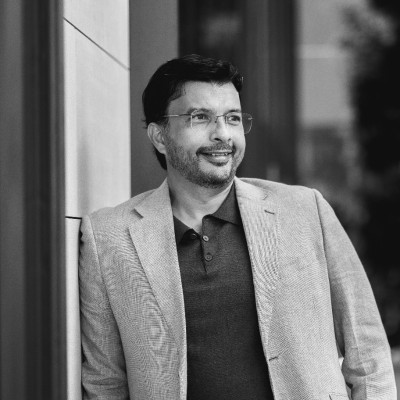
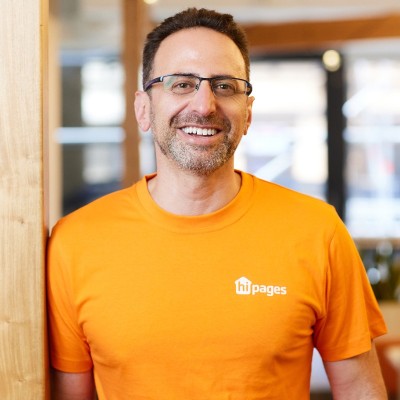
Henry Arundel
Henry Arundel is an experienced executive leader with more than three decades of leadership experience across property services, facilities management, construction, engineering, and outsourcing businesses throughout Australia, New Zealand, and Asia. Throughout his career, Henry has led complex business transformations, large-scale operational turnarounds, and high-performing executive teams across multiple industries. He is known for his people-first leadership approach, long-term strategic thinking, and ability to build strong organisational cultures that drive sustainable growth and performance.
Programmed Property Services
Programmed Property Services is a leading provider of property maintenance, facilities management, and workforce solutions across Australia and New Zealand. The company delivers services across commercial painting, building maintenance, electrical services, open space management, and facilities management for government, infrastructure, healthcare, education, and commercial sectors.

Full transcript
Read the transcript
You know what I great believe is if you get those teams working and you understand how those individuals work. So then you tailor the change to suit them and take them on a journey. When you get an exact team working as a singular team, the acceleration of growth and improvement is absolutely phenomenal. A lot of businesses especially where they move to short-term planning quarter by quarter
the L &D and the um OD goes that is a killer in a business. your biggest barrier in in any organization is your title.
And so, you know, I know that if I walked into a room as a CEO, there's a certain apprehension. And so, I make a big effort for people to say, "It's not the title, it's Henry. All right. I'm just here to listen and to understand what is it that you need that I can do with my position to make your life better." Yeah.
How can I make you successful and happy to know that you feel you've achieved something every day? And what is it that I'm doing that's stopping you from doing that? Running a business can feel lonely, especially when the decisions get heavy. Welcome to CEO Rispro by Saur Jane. Practical insights from the boardroom and the meditation cushion. I'm Sora. I've done 10,000 hours in three major parts of my life. I spent 10,000 hours being a CEO, 10,000 hours being a board member, and 10,000 hours meditating. What we're going to do in each episode is really unpack a real business challenge that a CEO is facing and see if we can work through it together. Enjoy.
Welcome to another episode. Today I've got Henry Arandel with us. Henry, do you want to just introduce yourself?
Sure. So, uh, Henry Arendel, I'm been a CEO now for probably about 15 20 years, holding senior roles. Um, I've been in, uh, across this side of the world for 35 years. Originally from the UK. Um, started out as a builder and plasterer and moved to Hong Kong in the in the mid 90s, early to 90s. and then Singapore, Australia, and now we're in design in New Zealand.
Perfect. I do not know that you're actually a builder in plaster and and our context. I've worked for you as the CEO as your CE you as my CEO twice now.
Correct.
Yeah. At Kushman Wakefield and at Urbanize.
Correct. And we also worked at Venta.
Ventio, but slightly slightly different departments. Slightly different departments. But yeah, absolutely. Um, so the way we run this podcast is we talk through a current issue that's mind and workshop that together. So what is top of mind for you?
So I've just finished up with a company called Programmed. I was running their property services division. I was with the business for six years. I initially looked after their FM business in New Zealand.
Mhm.
And then three years.
So you were there for how six years?
And then I after three years um with the FM side, I took up the role as CEO for their property services which is quite a complex uh business across Australia and New Zealand. Um and I've just finished with them now. And uh so I'm sort of reflecting back and going what is it that I want to be? So I've done quite a large number of roles that are all slightly different. Property based some of them technology is another. I've been in the consulting world. I've been in the construction world. Uh real estate. Um this was last role was a trades role. The one before that was FM. Um but it's interesting when I sort of talk to um my network and and various people who are who are looking at me for opportunities, they ask me what is it what is it you want to do?
And I guess what I've been trying to understand is
I don't actually know at the moment what it is that I want to do. What is it that I'm really good at?
Because I've never had to analyze that because I've been very fortunate when I've left a role. um uh I've either been head-h hunted into a new role or another role has come in very very quickly within a matter of of weeks. So I've been very lucky in that respect. But on this time my my better half has said you need to and a couple of friends have said you need to stop and you need to rethink because you know you've got a certain amount of time left working and you want to make each role now really valuable for yourself
because you've only got a couple more roles left I guess in your career
typically. Yeah, probably two two more. um saying that I do like working so that could be
Yeah. Am I going for a longer?
Just never know.
So what's the problem we want to solve is how do I figure out what my next role is?
Yeah.
Yep. And what are you optimizing for
in what respect?
Um so I'll give you a few options. So how do I figure out what my next role is?
Um some people when they look for a job they'll optimize for lifestyle, some they'll optimize for money. Some they'll optimize for happiness and impact and social those kind of things.
Okay. in terms of your resp prioritizing or what. So again, I mean that's something that I'm still debating and I'm trying to understand in my life is I live in New Zealand. I moved there six years ago for this for programmed. Um and we've fallen in love with New Zealand. We've fallen in love with it because the lifestyle affords a more relaxed pace of life for us.
Yep.
Um we love the weather. We love the fact there's no snakes there. Um it's a
and no dangerous spiders. nothing to kill you apart from the locals. Um, but typically, yeah, you're not
And the locals don't eat you anymore as well, right? Friendly.
Um, and it's a much smaller company. You've got a country the size of Japan/ the UK and you've only got 5 million people.
So, you you have this amazing areas of isolation and the ability to get out and enjoy probably, you know, getting close, I hate using the word, get closer to nature, but it is genuinely the most incredible place to live. Yeah. and largely unknown which is also nice right people think oh museum sounds great but it's too far away we would want to go yeah don't realize how amazing it is so then that is a huge attraction and that's materially influenced us over the last few years particularly with my last role where I was commuting to Australia effectively to do the job
y
um and it I used to welcome the weekends because I could get back and actually get away whereas when we lived in Sydney it's a very busy city you're constantly on the go you you know, big population.
So, so location is a big thing.
It's a big thing you want to really optimize for. It's that ability to to switch off
and as a CEO, it's actually very hard is I'm sure some impossible near impossible. Yeah.
So, I really want to make sure that for as I get older that I do have those mental breaks to be able to to maintain the energy. you know, I would have had a lot of mental energy in my 40s and 50s, but now I'm in my 60s.
Yeah,
I'm going I probably, you know, um need to think long and hard. Particularly with all my experience now, you know, my 40s, I was still learning a lot about how to make companies tick. Now, I've got this sort of 20 odd years of experience. I've got a whole wealth of information. So it's actually if anything it takes more energy as you get older to to get a company where you want it to go because you got so much experience and ideas on what you need to do and how to what's good.
Yeah.
So it takes a you know you sort of you can work at a much higher pace level of knowledge.
So we got location is that's one of the almost non-negotiable. That's super high.
Uh what about things like is financial super important is um
I mean to a degree
lifestyle hours.
Yeah. I mean, look, financially, um, it's not it's not everything.
Um, obviously, you want to you want to be paid what you want. You
want to do well. Yeah.
And and but but you're probably more in the long game rather than worrying about necessarily day-to-day stuff.
Mhm.
Um, so yeah, that's important. That's just to make sure you're not you're not devalued as an individual.
Yep.
Um, and you're rewarded for the results that you do.
Um, lifestyle. Yeah, absolutely. It's that's important about, as we spoke earlier, around the environment that you're living within. Yep. So,
okay, fair enough. So, so give us some of the backstory. How does someone from the UK get here, start up as a part plasterer and now runs, you know, recently ran a multi-billion dollar enterprise?
Yeah.
Tell us about that story. So, um I was very fortunate. My father was a school master and he was um he was a master at Eden College and although my father died when I was very young. Um how old were you when he passed? I was 10 in very young
car car car accident.
Um
I was fortunate enough to um to secure a place at Eaton
and uh and that gives you an amazing grounding in um in education
and Eaton's quite an elite high school there, is it?
It's probably the top private one of the top private schools in the world.
Okay. Y
um so yes, so that was five years of stiff collars and tales and stuff which was our uniform. Um, not the easiest time for me. Without a father figure, I was probably highly immature and not really understanding how to behave as a young man and no reference point in the family. There was no male figures that I could work with. So, I hadn't had the easiest time there. But education wise and outlook and everything just incredible. However, when I left there,
I had no interest in education. I was I was I said I had a tough time at the school with my peers and I thought I'm not going to I don't want to go back to this now. I've no interest in education anymore. I want to go and earn some money and have a bit of fun. So through a connection through my mom explain that decision because that's that's quite a that's quite a foundational one to decide not to go to uni and go straight to work.
Yeah.
Um I think you know maybe if I reflect back on it I just I didn't want to sit in the classroom again. I felt I'd learned a lot
and I didn't want to continue to be in a more structured environment to learn and I didn't really know what I wanted to do. I had a brief stint in the army for about 6 months as a potential officer. I was told after Sandhurst which is the officer training uh academy to come back in a year. They said go away grow up come back and I thought well I could go to uni or I could go be a builder somewhere through friend. So friend put me in contact with a local builder at Kiwi actually. Yeah, lovely guy called David Bennett went full circle.
Yeah, full circle. He was a plumber in uh in London and general builder and I got a job as a laborer.
Before we jump onto that, I'm I'm just intrigued by the choice um to not want to be constrained by a classroom. Um the army not quite ready for they could come back in like 12 months time.
Yeah.
What was it that made them think you weren't quite ready for what was the character that they saw? What part of your character made him say that?
I think probably, it's hard to self analyze cuz I probably don't really remember that much cuz it was 40 years ago. But I would like to think it was probably an emotional um not being mature emotionally. So probably overreactive to scenario and the inability to probably
work with people on a more constructive level and measured level.
So I don't think I had any doubt about my intelligence, the ability to learn and execute. But I think certainly the way to to manage in a peer group also is good and I needed to go away and get more experience in that.
Can I suggest it was something different? Yeah. Um and it's only because I'm I've worked for you, right? Um and I found it fantastic to work for you. But what something I noticed about you and it's only makes sense now when I hear the backstory and this is a quality I pride about myself and I think I've learned a lot of that from you actually specifically is I've always had a healthy disrespect towards authority. That's true. Was that one of your foundational characters? I I mean I worked for myself for so a long time because I didn't want to work for somebody else.
And I think every great CEO has that.
Yeah. A healthy disrespect for authority, for the status quo, unless it makes sense and it's explained to you and you totally get it.
I think if you respect the person you work for and you they're and you're and you're aspired, you're inspired by them to be better person, it's a very different and I'm probably I think you're right. I don't suffer fools gladly and I'm not and I and I don't I'm I'm vocal. I'm happy to say that because I call a spade a spade. I think you know that from your own experience. I'm not
I'm not someone who who will just shut up. I express an opinion because I think it's important
and and the challenge you have I'm sure you faced is like you're obviously a very intelligent person, one of the smartest guys that I've worked with. Um
absolutely pleasure. You absolutely are. Um the problem is when you're really intelligent a lot of other people do seem like fools.
Um a colleague of mine did once say to me after a certain meeting he said you're he took me to one side and he very very safe words he said Henry you're too fast
you need to slow down. actually something that um so obviously when I was on your exec team know we always talk about the CEO we always talk about you behind your back and we'd always be very careful um you know we'd talk we'd be planning something and would be and someone would be like oh but Henry's not going to forget that happened he's he's not that kind of CEO that forget something two years ago he will remember it straight away okay so that might be part of it right where you've got this healthy disrespect towards authority um and you're quite gifted intellectually, right? So then working for someone else or a really structured environment like the army, if you had stayed there, that probably would have broken you, which I don't think you could have stayed there.
I think that structure without any reasoning
and just by brute force probably just wouldn't have fit with your personality. Is that what that
probably I enjoyed it. I was disappointed not to get into the into the art into the obstacle. But but I I didn't mourn it. I didn't, you know, I wasn't devastated. I never went back 12 months later. I think if I was that passion about I would have gone back.
You would have been back. Yeah.
When I did.
You were back every year until you got in. Right. Yeah.
I went straight into the business into the into London and worked for these guys for a bit and then struck up on my own for for about eight years.
How long did you work for these guys?
Uh about two years.
Okay. And that was when you that's you learning to train your build.
Yeah. Uh went as a laborer then um they you know taught how to paint a wall and then there was a hole in a wall somewhere and said who can someone do that? And I said I'll put my hand up. I'll do that. And then just selftaught through every aspect of the trade itself. Yeah.
Yeah. So, I love the learning aspect of it that
and that's still to this day I I read and learn stuff constantly. So, that is something I do.
I probably read either newspapers or technical articles or I love my cars as you know. You know, I just bought a car recently and I already know
I already know the backstory to the car, all the engineering behind it. I know where, you know, I know everything about how it goes together and absorbed that over the last sort I've had it for what six weeks. are already already fully knowledgeable how it works. So I love that ability to learn something technical and then apply it in a in a real world sense.
Do you there's there's a subtlety in the joy of learning.
Some people love learning.
I wonder whether for you it's you enjoy the mastery of something that you intellect you master the topic.
Is it more that or the act of learning for you? It's both, but certainly the I think it's uh So here here's an interesting point. It brings up a good point. So I'm actually very shy as an individual. So I will struggle to walk into a room full of people if I don't know anybody. And I've been known to walk away from from a crowded room, right? Because I don't know what I'm going to talk about. So I have an inherent shyness around if I can't I can't do title taffle. I can't do smalls talk, right? I've watched some people do it and I'm so impressed by it but I just have no ability to talk about things doesn't work for me.
So what I learned a long time ago was if I'm hugely knowledgeable about a subject that gives me the confidence to be able to talk about it. So I think the fact that I love apart from I love learning especially the engineering side of it then I've got great knowledge and I actually have something to speak about and I feel like I can impart value or knowledge to people you know as part of a conversation.
Yeah.
So that's kind I think that's probably where a lot of that's come from.
So it's more the mastery gives you the confidence.
Yes.
In in a domain that you understand.
Correct.
So maybe it's less the learning more getting to the mastery.
Yes.
Yeah. Okay. That kind of makes cuz they're very subtly they're subtly different things and they're suddenly subtly very different drivers that made someone want to do one versus the other.
Okay. So you're working for a guy in in London was it?
Yeah.
Yeah. Done that for two years. What what happens next?
So there was a young lad there called Nigel.
Mhm.
And Nigel British name. And I think the company was a little short on work and David was part of another partnership with another guy called Paul. and that all started sort of going not very well. So we said right we'll just go off and do some painting work. So we joined up together a little partnership
and went off and basically touted our ways around London and we used to decorate uh old Victorian houses.
Yeah.
Pretty simple and minor building works and
and then that morphed into another friend of mine who I came across out of Ireland, Tim.
And then Tim and I set up a a small building company and we just do refurbishments and Victorian houses. And that was the 80s when
a lot of the building stock was being refurbished through London and affected lots of areas were being gentrified.
So we became I became an expert in basically I could take a Victorian house apart and put it back together.
Yes.
So that was your niche. That's where you
plate slate roofs for kitchens to floors. So what a plastering whatever it took you know and we did a lot of that about six years.
And then how did you how did you leave that and end up here in Australia? Well, so I quickly realized that I was not very good at at managing the business. So, we had a lot of work on, but I was really bad at doing the books and the administration and making sure I paid the suppliers and and um and I realized I wasn't good at I wasn't going to be making good money out of this. It didn't suit me
running around trying to be the builder and manage a builder and particular then there's this it was all paperbased, right? So, all the quotes are handwritten, etc. So, I struggled with that lack of formal learning. So I decided to go to university.
Okay.
Enrolled in a maths degree.
Yep.
Applied to five universities and got on to an engineering course in Brighton of all places. Um and part of that also was um I had at this time I think I was working for a small fidel company which I wasn't particularly enjoying and um and uh I went on a holiday to Hong Kong to see my sister who lived there back in 1987 and and that uh and then I went back again in '89 and that completely changed my life and I looked at the city and I went
this is that's where you want to be want to be.
And had you then did you do the engineering course at uni in the end in Brighton or then I went to Brighton in ' 91.
Okay. Yes, you went back. Okay. Yeah.
Yeah. So, I was there on holiday, came back, went there in '91,
and uh so I I when I'd gone for the second trip in '89, I said, "Right, I'm going to go and work in Hong Kong." I spoke to a number of people there. They said, "You need a degree." So, I went back and basically figured out how do I get to a degree
cuz you would have been what 28 29 by then?
87.
27. Okay. Yeah. enrolled in the degree in Brighton and uh and then through my contacts in Hong Kong um over Ara and partners the big engineering consultancy chairman out there lovely guy called Mike Sergeant he said why don't you come and work for us I had to do a year in industry so four-year course one year in industry year three back to final year Arab picked me up sponsored me employed me in Hong Kong and then sponsored me through my final year and then I went back and worked for them in Hong Kong there you go and that was transformative um both in working with incredibly intelligent people and I'm talking
top top draw engineers and architects and stuff that were just a delight to work with.
Um but also a boss who to this day I site as probably the best person I've ever worked for in my life, a guy called Andrew Wilson
who
and what made him the best? just um incredibly apart from being highly intelligent um incredibly nurturing in terms of very focused on on making sure my career was was going to progress. So challenging me a lot on on being skilled in certain areas. Taught me about really good client relations. Talked me taught me a lot about how to deal with internal stakeholders. The way he managed it. I learned so much from him on that. Um and also just a brilliant mind. just a brilliant mind to work for and they're still a good friend of mine to this day and he actually went on to um to run the cross London the the big rail line got built across London and to find Heathro.
So brilliant brilliant engineer
often I find that um whatever we value about ourselves when we see that in somebody else we we like them and we value it in them. So I don't know if you're an Schwarzenegger right if you see someone with big biceps you'll totally value their muscles. Um for you obviously intellect is one of the things that your is one of your differentiators. So to meet someone who's to meet someone who's your intellectual peer superior
I mean that must have been fantastic.
Yeah.
And I'm guessing this time so it was Arab was it Arab Arab
Arab in Hong Kong.
Yeah.
This was the first time you probably met your intellectual peers.
Yeah.
In a in a work setting.
Yeah.
Cuz before you in high school, you were working with builders. They just would not have been at
a couple of the lecturers at university were also incredibly inspirational in terms of how they taught. M
so learning from them Dr. David White particularly was amazing and taught me a lot about the difference between a a principle to achieve a solution versus a tactical which is you know like yep how do I build a wall to achieve a certain specification you can choose a number of different materials and he talked that you need to understand the principle before you apply the material and that that's incredibly difficult for some people to understand because they'll naturally move towards a solution they're aware of rather than taking a step back and saying so what is it I'm actually trying to get out of this one of my options which you achieve the same outcome.
Yeah. Okay. And then then your boss at Arab I mean he would have
he would have then been that mentor for you would guide you through
through that organization.
Hugely supportive I think ended up staying at his parents' place with my father at uni and a bunch of us went a little cautious there went to say you know as I say he's still a great friend of mine to this day.
Yeah.
Oh fantastic. And had then you left Hong Kong or you stayed to Hong Kong after? I was in Hong Kong through the handover which was interesting. Hong Kong was a
Hong Kong was interesting from a a social point of view um where you have a large number of expatriots who are there really to have fun and to progress their careers. So what I learned there was very much around that they didn't actually care if you were a milkman or a or a CEO, right? You all got treated the same. They all were you were all there to do what you wanted to do to advance your life, right? And so it was an incredibly level society effectively and everybody was there to help each other. So all newcomers had arrived in the territory, you know, obviously and they tended to split between the French and the Dutch and the Americans, but then the first thing they did was gather you up and you get invited to all the parties and meet and you and we create the networks really really fast.
So I learned a huge amount about you know just supporting people at the start of their journey
if that makes sense. It doesn't matter if it's a career or a geographical location. How do you make sure you get give those person the best possible chance to be to succeed in the environment they've been put in?
Just on the networking things. You know, you kind of mentioned how that's um you're naturally quite shy. You find it very difficult to go into room with a lot of people.
But then the last four roles we've spoken about is through your network.
Yes.
So explain that dichotomy like how how have you then built quite a strong network without being that very extroverted person or do you not need to? Um I think probably the positions have helped me. People have been you know there a lot of proactive people who have been very good at at at at talking to me and staying in touch and also you know just I like to think in business as well that the people in my network I regard as friends
right so I want to be with them. I want to talk to them. I like talking to them. I don't I mean I've got a I'd say I have a fairly sizable network but I mean in terms of regularly keeping in touch probably a lot of my friends will tell me I'm useless, right? And get very busy.
I can I can test that. Yeah.
I can test that. Yeah,
but but but those that I have and you know I consider you one of those is that you know they're not I don't need to talk to someone every 3 weeks to to to to remain you know as a good friend or close to and that's no different from my family the thing my family consider me useless my sister in
the UK you know but you know it's uh when I pick up a phone the conversation is like yesterday it's not like a you know it's 3 six 4 months so my network I have although I say not the close network I have although not extensive It is actually very very close. Can I can I replay that another way? Perhaps in the same way you had a boss that guided you um through Arab getting to Hong Kong, you had all these you know social constructs where the new people get invited out to parties and those kind of things. In the same way working for you in the past like you've been a very guiding CEO, you've been a very mentoring CEO.
And when you're nice to people, people want to be nice to you. So you probably just formed really good relationships and the people will now proactively go out and say Henry it's been 6 months how you going
and that might have been your secret source to build your deep know it might not be as wide as somebody's very but it might be quite deep. I think you're right, but also I mean I'm very I'm I'm quite sensitive to people's opinion of me and I think that's more from the fact that when I've gone through some tough times at school and stuff and I'm I'm very sensitive to to not being an object of you know of poor behavior put it to put it nicely and so I try to be a nice person very hard. I don't like to um you know make an enemy of everybody. I mean, obviously going to it's never going to go perfect every time.
Um, so I'm always trying to be gentle because I've been treated badly in the past and I would never have that. I do not ever want to be that person who does. And some of the jobs I've had to do, they're not easy where you have to you have to change structures and and and and so you have to be very you have to, you know, for me it's important that they're treated with respect. And so yeah, that so I think you know I'd like to think that my network reflects also how I've treated people
and how I'm regarded in the industry is I'm not someone who is who's there just to to make a buck. So that's where the money isn't that important to me. In fact, not even a title. It's more about how do you how do you create success for a group of people um for their careers and their family, financial security, respect and standing in the industry. that to me. I love the fact now that I've been there for in the industry now for 40 years. If I look through all my contacts, you know, so many of them have done so well and it's just so pleasing to see when I, you know, I remember one guy in Hong Kong, another guy way Crook Shanks and I remember he came into Australia and I employed him as a project manager and he's been really sweet and said, you know, you've you gave him the the the the route I needed and I think he ended up having a property with City Bank globally.
I mean, you know, phenomenal roles these guys are now getting. And
there's a couple of recruiters I've used in the past who credit me with saying, "You created my network for me." And I said, "Well, that's and I don't want necessarily a credit for it. It's more it's pleasing for me to see, but I'm so glad to see
the success that you enjoy because that's important for them, the family, and for me to see, you know."
Yeah. Let me just go back a minute. So, you said you've been treated badly in the past.
Yeah.
Is there one event that that is burnt into your memory? And and your smile says it all. So you can
corporate or personal.
It's the one that defined your personality. Uh
it's the one that made you decide. I felt horrible. I don't want anyone else to feel horrible like that.
I don't think it's only one s to be honest with you. The death of my father was absolutely devastating. It got my family.
I can't even imagine. It created a it created a situation and there was four of us. I'm the youngest, three three sisters and myself and my mom. And it it left a legacy in our family that I think even to this day we we struggle with. I mean sadly I've lost some of my family already. But um it I cannot impress upon you how tough losing a parent is an early age and um you you it forms your when you get into a difficult situation and you're you're a fight or a flight person and I probably have a little bit of a mixture but I'm largely flight. So you run away from from really tough situations that you know will you'll get hurt.
So you become highly defensive in some respects and but you also become very sensitive to so particularly in corporate roles like if I feel I'm not performing I almost lose my confidence and then don't perform. I mean I don't think I do but um yeah so you become ultra sensitive to it
that's because when the death of a parent occurs and you suddenly got this void and you got nothing to you you I was trying to explain to someone once um who were restrained from their parents
and I said and they said we empathize with the loss of your parent I said you have no understanding when you lose a parent you don't you forget you can't talk to them
if they're strange you can go talk to them it's forever it's that's it forever and there's nothing you can say
that you want to say to your parents that you And especially as you grow up, right, and and you become an adult, you know, and you want I mean, I want my father to have been proud of me. You my father struggled as a professional. Um same shyness I did. You know, he wouldn't even pick up a telephone. He was that bad at it.
And and yet this is a man who rode in the Oxford boat race, Oxford came boat race. You know, he was a Oxford Burton, you know, degree. He had a phenomenally intelligent man. Like phenomenally intelligent,
but but a disaster in professional life. Lovely man. Lovely man.
So yeah. So I wanted him to be proud and say, "Shit, actually, okay, you did okay. Well done."
Yeah.
But like, so that that I I think that has has influenced me my whole life at every level that I've done. And I think also it's probably creates an element of vulnerability that some people see and take advantage of
and that hurts me and I I don't like that. And so when I'm in business and I have to make decisions, I am really really conscious of understanding if we have to make certain decisions, I really think through long and hard about what's the impact. And the first thing I really want to do with someone if they're struggling is how can I get you better?
How can I get the view? I don't want to just,
you know, you have some some companies will just make decisions without really understanding the depth of talent of someone. They just cuz they're having a bad week, month, year, whatever.
Yep.
Help me understand that more. So, the death of a parent horrendous
I can't even begin to understand especially at that age.
Um, so that obviously made you feel really really bad.
Um, people I find go in two or three different ways. One way is something horrible happens. So, they just stop feeling everything. They stop feeling any physical sensation in the body and they live life to the excess because they just want to feel something.
Some people be like, "Well, I feel bad and I want everyone else to feel bad."
Yeah.
And they'll just perpetuate the cycle of abuse.
What about you then went the other way that I felt bad. I don't want other people to feel bad.
But what about you made you What about you made that happen? Cuz that that isn't the norm. Cuz the norm is normally the like the first one I will see 95 times out of 100.
Four out of 100 become the psychopaths. the next stage only one out of a hundred will actually use it as a force for good.
How did that happen?
Um I I don't think I'd really know. I mean I just I'm a I'm obviously an empath, right? My wife will tell you that I'm a real empath and um I just um I think it's maybe it's something to do with the fact that you know when you lose an element of your family, right, you want to almost recreate it. And so, you know, your family, your family group wants you, everyone wants to be successful in your family, right? If you look at your kids or my kids, so we all want to be successful and happy. So, I think perhaps part of that is to say, I'm almost like I want an extended family and I want us all to be happy and successful at what we do.
Um, I hate the idea of suffering in the world. I hate the idea of and I've always been like this the impact of people's decisions where they don't understand what that decision has done and is not and and it isn't empathetic to it and I was married to someone like that
which was devastating for me to to then be in a position as a father and to be in a position with a partner that was that had no understanding of of words or actions on myself as an individual and the family which is Well, I'm no longer there and in a better relationship. So, I think probably think about that's probably another another event in my life.
Professionally, I've had a look, I've had a couple of times where I've left businesses and they've been very very difficult.
Um, but I guess as you get older and older and more experienced, you realize that it's just business. Um, it still hurts, it stings, but especially when you do a good job.
Um, you know.
Yeah. Yes.
It's it's fascinating. I mean, having worked with you for many years, I've only now realized, oh, that's actually why I came here with such a great CEO that intelligence intelligence is kind of a given, right? Like every great CEO will be smart.
Yeah.
Um, every great CEO will be confident, will have mastered their skill about how to set up a company and how to make a run.
Very few CEOs are deeply empathic.
Um, and that's why if you remember back in our Christian Wakefield days,
like people went above and beyond. They were part of your leadership team.
Yeah.
Every single one of us went above and beyond.
Yeah. You're motivated. You want to You want everybody to
You want the team to do well. Yeah. You want to do well. But it's interesting in corporate world sometimes that's too far because others in the corporate world don't want you to go that much further.
Yeah. Corporate's different.
Yeah.
Um cuz often I mean my view is almost no organization changes like it is rare like the apples of the world are rare. The codeex is so common. Um because every structure rigidity exists to keep the status quo.
Yeah. all the incentive structures, all the history, all the things that have succeeded in the past.
Yeah.
So that's I think why organizations don't change. But maybe is could that be your superpower, that empathy?
I think that's definitely Yeah. I think that's understanding the people. I mean, I'm a great I think you're right. Understanding the individuals within a team is incredibly important and understanding what makes them tick, but also how they work with others. So matching the personalities through a team. So you've got the 1 plus 1 equals 3, the classic, right? So how do you then understand to your point where their superpowers are and then my job is to is to marshall that and get them to come up and and complement each other because I don't I never in any team I never want the same people. I don't want five or 10 same people. I need them all to be slightly different but also it creates an element a little element of competition which is fun.
Obviously they're going to get on with each other. the personality wise, you want them to be, you know, of a similar outlook on life, but you want their skill sets to be very slightly different.
But I think being the empath gives you the ability to see that and even to think that is something I should go seek cuz I've worked for lots of CEOs that don't even think that's a thing,
right?
Um don't even think, oh, let me go understand why. Why is that person the way they are?
Yeah.
Why are they acting the way they are? What are they really good at? What are they really bad at?
What's their driver?
Yeah. Like what is motivating them? Why are they showing up to it?
Yeah.
I reckon out of all the CEO I'm just cycling through,
I think you're the only actual one that I've had that proper conversation with.
Yeah. And that honesty and transparency about a person who they are is important because you're then able to um connect with them at a totally different level and get something completely different. I mean the the biggest challenge I had in my last role was was a business that has um very very long tenure executives in it. You know, we're talking, you know, you've been considered relatively short tenure to 15 years and 30 years was not unusual.
And so, how do you get that business these people to change?
Yeah.
But do it in a way that they never feel threatened by it, but are challenged by it.
Mhm.
And and that was really interesting to build that team. And we didn't make that many changes in the team to get it to work. But, you know, what I great believe is if you get those teams working and you understand how those individuals work. So then you tailor the change to suit them and take them on a journey. The the when you get an exact team working as a singular team, the the acceleration of growth and improvement is absolutely phenomenal.
It's completely unstoppable.
Is that one of the common threads though around the roles you've been successful?
Yeah. So I'll always focus on the team. That's always the biggest thing. And it's interesting a lot of you know I've spoken with others in the business and they and they don't see that they don't think that's important but I know that of a few roles I can think of if I take the venture business you know that was a we reset that whole team and we took that business you were you witness to we won a billion dollars worth of work in 18 months I mean just absolutely incredible because we got that team
get the team right
became likeminded and the other thing that's great is that when people see teams working well together just physically amongst themselves and the banter and the discussion and the enjoyment they all go I want to be part of that
yeah it it attracts the clients love that
yeah and and when people your peers or high organizations don't see the value of that they're objectively just wrong and there's nothing wrong with someone being objectively wrong no matter where they are in the chart cuz my experience having worked with you and seeing this in organizations right it is priceless and and that's challenge that probably I face is that when you have others that don't understand it or believe in that, they don't they they struggle to understand why it's happening and and they then sometimes want to shut it down
because it's it's uh it's not something they get or understand. They're uncomfortable with it.
I think what it I think maybe it's something different. Um and I haven't seen as much as you have, but I wonder whether it's that um it's not that they don't understand it. They know something's going really well, perhaps not sure what it is, and they just don't they don't understand what you did to implement that change and how critical you were you were to that change.
That's Yeah, I mean, that could be it. I mean, because it's not
they don't give credit where it's not something you can always put your finger on and say you can see a specific event, you know, and they just sort of they so they're on they're wary of it. And I think I've I've definitely had experiences where people see it and go, "Well, I want that, so I'll take that person out then I'll inherit it. It'll be wonderful.
And I've seen two businesses specifically where it almost collapsed.
It's a bit more complex than that. Unfortunately, unfortunately, it is.
And I mean, you see it when um when people leave an organization as well. Um so, you remember the guy that took over from you Kushman
the day he was gone. It was like Ding Dong the Wish Witch is dead.
Not a single person called him. Not a single person uh made any contact with him. Um there's something to that where I'm sure with your most recent one, I'm sure you probably got lots of people. Yeah. And by the way, I reckon and I didn't know this on my crew, but I reckon that's the litmus test. If you've done well, is there's four types of people. One type that will go they'll go buy you lunch. You've been a great person. You've worked me, you're my CEO, you're my peer, whatever it was. I want to keep relationship with you. You'll have some people that will call you, spend 20 minutes on the phone, some people that will text you, or some people that will only contact you when they need a reference.
And it won't be then it will be the recruiter calling. And you always want to be aware of how many fall into each of those categories and who they are because that actually shows the depth of of the relationship with those people.
That's it. Yeah. And that's also where you network. You realize your network is. I mean, it's it's been, you know, it's been very nice talking to a number of of old friends over the years in the last couple of weeks. Um, but like I said, I didn't need to talk them every week, but it's been, you know, the catch up has been immediate. Yes, absolutely. What do you want?
Let's have a coffee. And that's for me it's more about sort of market sounding and understanding what's out there and what's going on. But
yeah,
and I reckon the conversation very quickly pivots to how can you know the other person, i.e. me, how can I help you very quickly?
Yeah.
Because you're because you've done the right thing by me in the past.
Yeah.
Um Okay. So, so we've got we're we're leaving Hong Kong now. Let's just fast forward this story.
Yes. So major major um so followed a girl to Australia as you do.
Yep.
And um spent about 18 months in Australia working for a small architectural practice as project management. And then I got a call from the US which was um relating to the job I had in Hong Kong
and they said we'd like you to head up the region based out of Singapore. So um I'd got some good good um networking and relationships in that business. They had sold a fair chunk of it. It was a construction and project management business. did mainly bank work, a lot of data centers and trading floor refurbishments and relocations and um and they sold that aspect of the business and they concentrating on the outsourcing. So they had American Express as a global F outsourcing. They had one person in region um out of Singapore and they said can you please come and run it um here's a desk here's a phone 2004 go build it. So I spent three years with them in Singapore before we moved back to Australia
and we built that business out to operations in 10 countries and four offices and you made some money out of it which was great big JV in India. So a great great business called Travel Crow and then CBRE purchased that business in in late 2006 and I was made head of the region for their project management business which I ran for about um about 18 months before I chose to leave. um partly because the extensive travel involved y um successfully built the business for them. We doubled it from 250 to 500 people and sort of put that across all the offices in Asia. Um but my son had just been born and um we were sort of heading to the second one and I realized as a as a father it's not sustainable for me to travel in six months.
It completely isn't. Completely isn't. Yeah.
So I made a very difficult decision to go and work for a small consultancy um which wasn't that enjoyable. GFC hit um we were very expensive you know I did a big relocation J Morgan but um yeah that that wasn't that wasn't sustainable but I was very very lucky and Johnson Controls um picked me up um just as we came out the GFC and that was probably one of the first sort of real turnaround jobs I did where
what was your role at level
so GM GM for Australia New Zealand okay
for their FM business what they call the GWS business
global workplace solutions and they had a um quite a distressed business losing a million dollars a year. Uh had lost a major major contract. So they had downsized by about 2/3 and very unstable um unhappy clients, not being service properly. So that was a case of of really understanding um again it was all people. So if we can get the team to be happy then the and and then work with the clients and get the right people to do the to the work they needed then we it the business turned around very quickly. It it I in hindsight I think about it it wasn't that hard. I mean at the time it was my first proper sort of first time doing it P&L role of substance right.
Um but yeah, once I reflect back on it, actually it was it was just getting everybody to work together, bringing in a couple of really good people uh to to do some work for me and so the contracts and get the clients a lot happier and then and then working on the global stage through the global network to which I had that experience before in Asia and getting those relationships from the big global accounts to make sure that we relied and were delivering the services they need. So a lot of work but good fun. Really good fun. Can I can I make a prediction about your next three roles that every role that you did really well at is where their foundational issue was exact team culture.
Yeah.
Like they're the ones that you absolutely shown and you only did well if you're high enough to instill change.
Yeah.
If you were too down from the top and you could not instill that change, you were probably less successful. You probably got frustrated and left
cuz like well this is wrong. They're not listening to me. I can't fix it. I can't change this chessboard around. Is that is that kind of fair?
I'd also been undermined, you know. I mean, there was that that role I had in in in a tech company and and I was being undermined everywhere.
So, it was it was it was almost impossible
to affect change there.
Um I mean I think you know if I look at the the programmed role in New Zealand, I mean I was you know um I was not I was senior but not that senior by choice. Yeah.
I chose the GM role New Zealand to get away from the seauite.
Yeah. But to be fair to my manager at the time, I was given complete autonomy. So they the the view there was get on and do it, you know, with whatever you need to do. I mean the trouble grow in Asia was similar. They just expected me to just manage it.
Yep.
They didn't expect me to grow it.
But I said well I will grow. Of course I'll grow. That's me. And was the same. They said can you just fix it? I said I'll more than fix it. I'll grow it. Which we did grow a lot. So So I guess I kind of way that's what I enjoy. I enjoy the challenge and the change. Yeah, I think you enjoy the challenge and the change but the ones I think that you're uniquely successful
is where the fundamental problem is is culture and exec team
because I look at Kushman insanely successful fundamental problem was exec team.
Yeah.
Ventier insanely successful. Yeah. I think you pretty much built a new exact team.
We built an exact team there. Yeah.
Yeah. I assumed a program that was you built a new exact team or
uh FM.
Oh, you built on existing. We brought in a couple of extras as we grew it.
Okay. But we had a good they had been they had been poorly managed. So they were desperate for a strong leadership. So we we we just consolidated the team. Johnson's was similar pretty good team that was just and brought in a couple of key people just to to cuz we didn't had gaps. So we had to bring the right people the right level. That was really interesting. That's when the the attitude of the business was this is the role, this is the level, this is the pay and they were going the one account they were they would cycle through four contract managers and I to I went I got to know the client very well there and I remember going back to see the the HR for the next round of find a new contract manager again and realized that they was 30% off off market and when I said yes well let's let's add another you know few thousand here to the role to make to the next level The horror was he can't afford that.
It's not in the it's it's not going to work. So anyway, I insisted and we got the right person in and and the contract both went to profitability and significant amount of extra work within six months. So
yeah,
that was when you learn it's worth hiring extra better people even though the model might say one thing actually if you bring the absolute best in you always get the
So is that healthy disrespect towards authority, right? The the the spreadsheet says no, but the right thing is yes.
Yeah, it was personal making sure we're the right people. Yeah. Which is which is so foundational, right, for any of these organizations because I mean you don't actually in this industries of facilities manage you have no assets, right? Your assets are your contracts and your people that manage those contracts.
Yeah.
Yeah. And so tell us about program. So six years is very long tenure for these senior roles. I mean
most senior roles 3 to 5 years if you're lucky.
Yeah.
So tell me how how that journey went. So that was I came out of I was at Beeis on a sort of did a couple of years there on interim roles and um whilst I went through a sale process and um I got a call from a a well-known recruiter that I've worked with for many years and he said there's two roles here that I think you could look at both were in New Zealand if you're interested now I I'd come out of of the last role and the one before fairly bruised still quite hard roles and
explain why explain what we're
so the the tech role I'd add I was a listed a CEO of a tech role sorry CEO of a listed tech company you know it well and um we had a very difficult board structure that wasn't that wasn't um working themselves together we had a an investor that was effect like a silent director which was extremely difficult um and um we had an exec team that was just it it it was um there was a founder there there's some of long tenure and they were not respectful of of my role and what I was trying to achieve. And so we had a complete disconnect and then the board was really quite passive as well.
It never actually did anything and to the frustration that it became quite toxic and eventually the chairman and myself both left at the one day after another. So that was very bruising. My sister died right at the same time as seriously sepsis. still very close to my younger sister. And then I went into this role at BeeS and that was also that was an interim role where we had a significant change in the leadership there which had been um initiated by um the head office and I was sort of the catalyst to try and help bring together and lots reasons long and short I was there for two years and then and then came out of that.
Um and I remember talking to Belinda my wife and I said um I I need a break. I don't want to operate at this level at the moment. It's dismantally it's too draining
and and also I think this sort of you know the the fact that you're in an environment where it's quite um combative and my natural nature is not to do that. So I was kind of just felt a bit bruised. I said yeah there's an opportunity in New Zealand co was coming. So this was a January 2020.
Oh wow. Okay. And um uh so I finished up just the end of January and then sort of it was very early in February so it came in very quickly and and then I had another co role in the offing as well but that was a sort of probably 12 month pathway to get appointed and I said to Ben why don't we just go to the skate
you know I think it's it's something that we need to do I mean a lot of decisions I have my kids and I'll separate from my wife time so I have my kids obviously But they were they were probably it probably was the best thing we did um for them as well. That whole divorce and shuffling kids back and forth from house to house is always difficult.
Um and it was a lower role but it was also really really interesting. It was a business that had been around for sort of 80 90 million and it was and they had just lost twothirds of their contracts. So it was like I need to manage that business out um with the client, stabilize it and then try and do something with it.
So so for me it was a it was a absolutely fascinating um study in how to completely rebuild a business from scratch, you know.
Um
and how did you go? What were the
So yes, so the first thing we focused on was the people, right? So first thing you do is you got to we had to exit 72 people from the business as the contracts came off
and handed over to the new surprise. So the first thing we did was we made sure we were the best exiting contractor the client had ever seen
and they absolutely loved us for we did everything they asked for. We handed over every item of information every fault is the opposite. Let me be as difficult as possible
because that will somehow make me feel better so I can punish them for canceling my contract.
Yeah. No, we said no, we will we will do everything in our power to make you successful. You've made a decision. We respect your decision and we're going to make sure you you're going to be successful um because this contract will come around again.
3 years comes quickly. So we we made sure all the 72 had jobs which we did a bar one person had secured a job on the last day but everybody had constant of employment and then we had to gather the leadership team down and reset the leadership team and and that was very much some really good people but that was about just creating the culture of of okay what are we going to do everybody so we all sat around
you know I'd say that's sort of sat around drinking coffee but we actually I put the whole strategy for growth together and then we went through every single one between across each team for ownership and then we rebuilt built the
the business around what is our go to market, what is it we want to be, what is it we're good at,
um where's our superpower as you
and basically um we had a few stops and along the way where we had some incredibly embarrassing pitches where technology failed or
or
but then for fortuitously um we managed to um pick up what's uh if Telra Chorus which is 2600 sites across Australia sorry New Zealand was actually a contract. I didn't want to bid. So, the consultant phoned me. He's a great guy.
And he said, uh, I said, "The two incumbents have been there a long time. I don't think I've got a hope in hell of getting this." And he said, "You think differently. You will you, the client, will respect how you think differently in the way that you look at assets." Cuz we were starting to develop quite a sexy digital asset management platform using drones and 3D cameras.
And we won it. We won the whole thing. Um and that was 20 million a year. That was a big win for us. Really big. We had had one a smaller schools improvement program earlier in the year. So that was sort of got our name out. And then at the same time I was tendering for the Oakland Council maintenance services business they were selling. And I won that 3 months later. So in the space of 18 months we went from 25 million annualized revenues to about 130
which is unheard of. Completely unheard of.
Yeah. That was a a phenomenally strong return and you know and deeply gratifying and wonderful for the team. Um
and then move on after that
and then we well we beded that whole business in and it's about 3 years and then they asked me to go and look at the services business which is their trades business. So that's a quite a complex for it was 400 million at the time 2,000 staff really doing a lot of open space work electrical largest commercial painters in Australia New Zealand um signage and building projects and that business had sort of struggled to grow over the years. It had a declining margin and they had over 20 20ome years had gone from about 200 to 400 million. The majority of that was in acquisitions.
Mhm. And so they said, "Well, what can you do with it?" Um, and what I could see from the business was that, um, it was all being run in parts, not as a whole. So, it didn't have an overarching purpose. Um, and the team weren't working together. they weren't joined up as an executive team in terms of being aligned in what our overall where's the pathway what so that was really about also understanding what does the business want to be and how is it being supported by the broader business so being a trades business and an ex-trady one we had 52 locations so significantly spread geographically
so I actually spent the first three months traveling to 45 of the offices of the 52 and without any of the execs and I actually interviewed every single local branch manager and met all the trades and I had a series of questions. Um and that informed me where the business was. And what I came to realize was that the business had got to a size where a lot of decisions were being made both above the division itself in the senior exec
and in the division at the executive level without with best intent but no thought through to the impact at the branch level.
And so it became very clear that we needed to reset and get the masses happy for one of a better word. get them working really really well and enthusiastic and empower the business to be that much better
versus looking at a spreadsheet from a top line and saying that they're good expensive cut that cost etc.
So it's reminded me of um I just remembered an event that you and I had once
um when we were at Kushman we had the PPP for Raw Hospital.
Yes.
I think I just joined the organization ventier sorry Ventier
was it ventier? R North Shaw was ventier would have been would have been ventier must be a different contract then I got the contract wrong.
Um but anyway so we went into this little pokey office on site somewhere. Um and I noticed that you spent like probably 10 minutes talking to the most junior person in the room and he was just there washing his cup of coffee or something and I mentally filed that away. I'm like cuz this was the first time working for a real CEO of a large organization. It must been some contract Kushman and I filed in the back of my mind. Oh, that's super interesting. The most senior person in the organization is taking the time to speak to the most junior person in the organization. That's an interesting thing. Maybe that's something I I need to consider.
Well, here's the thing, right? You got you've got these people are paying your salary,
right? Because they're the people that the client pays to do the work.
So when you when you even even you know I mean this is for this on the contracting side, but even in the FM side, right? And this is where FM you have to constantly be aware of what your value you're bringing.
But ask me, I look at it and this is why I love the trades business and self-d delivery is is that if I've got someone I'm asking to go and do an electrical installation, right? And I'm and the client pays me to that person to go and do it.
I've got to make sure that person is going to perform at their very very best. They're going to want to come to work. They've got the right equipment. They're safe.
Um they they enjoy working for the company with a great culture, but they also feel valued and wanted. I was down in in um one of our offices in in uh uh Rooua recently. Um and so one of the thing I instituted into that business was every time we had an ELT meeting we had to go we had each state in each country had its turn. So every quarter it was WA or it was Queensland, it was New Zealand, whatever, right? And then we circle through and all the execs went and met. We did our two-day big harra as you do, right? Go through the strategic review or whatever it is they wanted to do.
And um but the day before they all had to visit the local branches and they were tasked to find out what it is that we could do better to make that p that branch's life easier for them. And what I taught them, I said was that you cannot just make decisions in Melbourne or Sydney where you're based and expect that to simply go down. So you got to go out and you have to go and talk to the trades. You got to go on site. You've got to go. But you can't talk to them about are you being safe. Let me tell you why you should be safe and this is what you have to.
So don't tell them what to do. You have to have that questioning mindset. Ask the questions and come back to me and tell me what it is that makes them tick.
And that's that I remember. I remember. So, two things stuck out. Most senior guy talking to the most junior guy. The other part is I noticed you talked very little like 90% was just the other guy talking about his day.
Where did you end up at program? What was your last role before you finished up the house property services?
So, that was a that was the $400 million business I took.
Yeah. So, we we ended up buying a company called Yep. out of Australia and then we uh we uh we grew that to about 550 million over three years and that's and also the largest part of the US acquisition gave us a big open space capability and also the largest graffiti removal company on the eastern seabboard. Um and then the biggest probably the biggest change we put in was apart from rebranding the entire company. So very very plant focused. So we it was an inside looking company we flipped it all plant focused and very service specific surface orientated because they're our billboard thousand vehicles on the road. They're the billboard. So really strong branding
for those of you who who might see it. I think they're very pretty. I'm biased. Um but the other thing is we brought a lot of change through in the digital. So we did a seven-year digital strategy and we brought in um new operating platform refreshing the CRM but the biggest one we did was we started building out the automation and efficiency drive through the way that the work is executed deployed and completed. So that was a huge platform that was about probably year two of five years. M so if we were to um set up a scale with the types of organizations you work the ones you've done really well was Johnson Arab program Ventia Kushmond uh ones that didn't have a great experience the BJS the tech company
what were the differences between the two why is it that you succeeded like rockstar level on one side and the other side it just wasn't for you
well a lot of it is the people you know the I think the the
the corporate outlook and the um you know like in the the urbanized one was very much it wasn't a team that worked and wanted to work together
and and you you didn't get alignment through that business to say this is what our long-term out goals are and we all have to work to those goals.
Can I challenge that though? I mean I 100% agree that's what urbaniz
but um I reckon most of the companies we worked at have been like that. I don't
Probably not. But I think with the other ones I think I have more control over the ability to actually form the strategy and actually get it to work. I mean you take Kushman's right the UGL Richard Lupin.
Yeah.
He was he was a phenic a personality as he was.
Y
he was a phenomenal businessman and I learned so much from him
about structure and discipline in the business. Absolutely brilliant that man
and very successful for like I said not the easiest character. Yeah,
I mean you know you you the average tenure of a CEO Richard was 18 months I would imagine right I think I did four years that
a outlier
but but to your point yes no that not not you're not always aligning but I guess probably in some of those roles I had more autonomy to to drive the change
but I also had not bad support but what I what I had in what I'd say in a couple the others was I had actual people who were undermining Yeah. And didn't want be there, didn't want the change.
But I think the difference was in the ones that you weren't happy with or didn't succeed or didn't have the same success that you obviously had afterwards and before
was where you could not get rid of those people.
Yes.
You didn't have the autonomy to be like that guy bad egg. He just doesn't fit. I want him gone. And Kushman to you totally could have. Every single person in the exec team if anyone was the wrong fit you were you had you had the choice. It was your choice to choose to remove them. um urbanized probably wasn't really your choice just because of the existing relationships.
So just yeah was impossible.
So maybe maybe one of the big things is um because this is me thinking like what are the commonalities between this column of amazing success and this column was only two, right? So not a lot but this column where it didn't quite work out and I think maybe the roles that you had a lot of autonomy
and when you're in New Zealand Yeah. And when you go into a role, you you I I mean, it's interesting when I went into the last role and programmed,
I I said I'll take the role cuz I was I was indifferent to it.
Yeah.
You know, I mean, I'm living in New Zealand in Oakuckland
and I'm taking a role where I have to spend 3 weeks a month in in Australia. I commuted for 3 years.
But one of the stipulations that my boss at the time who who's who since left, I just said, "If we don't act as a team, this will not work. This is too this this division is so hard." Yeah. It's so complex, you know, six service lines all completely different from knit a story and a growth strategy around them. They said if we are all not on the same page, it will fall over.
It will not work.
Yeah.
And you know and that's that that that in itself was a telling sign. I mean there there was a lot of management changes in that business and and I think ultimately that's sort of kind of they they they well they restructured the business um and my role became redundant but that's you know but ultimately that that challenge there is it is if you don't have that alignment all the way up and down it's incredibly hard I mean I will say the the Kushman's you know with Richard all over me 100% believed and my boss Shabore at the time again totally got it
so maybe it's two maybe it's two parts one is the autonomy to do what you want and a little alignment above the people up in the high management CEO whe
and like anything I'm sure those who are listening will know that when you sometimes have
management changes and people come in with a different point of view
and they'll look at what you do and they'll go well that well I don't believe in that then that's a difficult that's a diff that's challenges maybe someone like me who's quite
um I'm very embedded and I I own stuff.
Yeah. And then when you've got a you've got a direction and you're going in the heart of it and then someone says you got to dismantle that
and the problem is that you've evidenced success by your method you've experienced success.
Yes.
So you're like well it's kind of working.
Yes.
Why would I do it a way which I think won't work?
How does that make any sense?
And so that's when you become disengaged.
Yeah. Okay. So we got number one is the autonomy and or alignment. Yeah.
Um you know with the chair, with the board, with whoever's there's always everyone has a boss. Yeah. uh with wherever you need. The second part which I picked up, tell me if this hits is um how you've used your intellect to be your differentiator when it comes to strategy. You can just think through more things.
Um I think a lot of it is um is the bit I mean I've been told that I'm very good at future
forecasting or thinking through five to five to 10 years.
Yeah. So I'm able to project out what the impact of changes that you make today and what that pathway looks like to the future. Um so that's something I do and I do that through a lot of research. So I write all my own strategies, right? So I don't
I don't have anybody write them for me.
Claude y chat none. I do that all myself and that's an important ownership.
That's my ownership. Yeah. But that comes back to that learning side
so that I can articulate the strategy on a broad and how what I love is the ability to distill a complex strategy into a really simple message. That's something I particularly enjoy.
But I use the word mastery, not learning. I reckon I mastery is your thing, not the learning of it.
That's a good good word. I like that.
Um but I think what it is is the one perhaps done well is where you got to apply that mastery.
Yeah.
You saw it, you understood it, you did whatever research you wanted and you got to run the experiment. I would say they're necessary experiments. I mean, there were some interesting things we did at Kushman's as you remember. Um, but I think the other thing is that the strategies I write are longer term. They're not they're not one or two years str not a short term. I I build
I build specific strategies that take 3 to 5 years to fully manifest.
And as I've learned in my career to be more articulate about how they manifest over that period of time
to get the benefits. The challenge in modern day is that the the returns and the change is generally over 128 months.
Often it's quarter by quarter
and that that's impossible to
to gain in and and I've seen this where you're instituting strategies that manifest themselves over time and then when you bring very very short-term people in where economic climates change
those businesses fail very very quickly.
Yeah. And and certainly I would I would say there's a couple businesses I've been I think you've seen them where they they bu those businesses have never recovered. They've never recovered and they and until they get someone to go back and rebuild it from scratch
into those longerterm objectives that you're aligned to,
they will forever
just bump along and never really grow.
Yeah, I totally and I think the other part about the strategy and you've probably been successful as as you think longer term, it's that healthy disrespect towards authority. It's that contrarian view. Um I I call it challenging
challenging. I call it contrarian health cuz I feel like
I like to push a bit, you know.
Yeah. But I think I think that's one of the superpowers to not be stuck in whatever the status quo is to like you said to go back to your first principles and be like like what are we doing here? Why are we doing this? You know what is going to work? And that works well when you've got like a threeyear time cycle or a 5y year time cycle. when you've got a quarter by quarter time cycle that just you just don't have enough time to see results. Um the other two things I wrote down was perhaps the ones you've really succeeded kind of linked to your autonomy where you were able you were able to set the team.
Yes.
Um and where team was one of the problems which actually team is almost always the problem. Um strategy is so secondary. Um but where you've been able to set the team and someone somewhere said you're allowed to do that.
Yeah. Um, last one I wrote down here was um, I wrote common folks. I know that there must be a better word for it, but the fact that you're able to go to all the branches, right, and talk to all these individual people and see what is actually happening on the ground.
Yeah.
Rather than inferring from your office.
Yeah.
Yeah. And that's um, I do have a um, it was a friend of mine said to me recently who who's worked for me and and he said, "Your biggest barrier in in any organization is your title." And so, you know, I know that if I walked into a room as a CEO, there's a certain apprehension. Um, and so I make a big effort for people to say, "It's not the title, it's Henry." All right. I'm just here
to listen and to understand what is it that you need that I can do with my position to make your life better. Yeah.
How can I make you successful and happy to know that you feel you've achieved something every day? And what is it that I'm doing that's stopping you from doing that? And that can be anything from, you know, the wrong tin of paint to a terrible technology solution or the, you know, too much paperwork and I just want and most of the people that work to do the work that we want them to do just want to do the work, right? They get
Yeah. So that's kind of so I I don't you know and you know does that mean that there's a the air of mystique of a CEO is gone? Well, I don't think there should be one anyway,
you know. I don't think anyone's above above anybody else in terms of their ability to contribute to business, but you've got to know and understand it. And you want people to be honest and open with you about where the issues are because
there are so many occasions where I haven't seen your roles and the true issues the the managers will never tell you because they they think it reflects badly on
they feel bad about it. They don't
I don't tell my CEO something bad.
Well, get over it.
Yeah. But I think what you've seen there um if I use a cadet um or a war analogy, have you heard of the fog the fog of war?
Yes.
So just for people who don't know what it is actually, do you want to explain what it is in your context or
Yeah. When Yeah. It's it's a point where you can no longer see any further ahead because there's so much going on. You can't see. It's like it's like you can't see the wood from the trees
kind of. Um
probably slightly different or in my interpretation it's that um there's only so far you can see.
Yes. Like in some of the video games where you've got, you know, um, strategy games, you have to have a piece in a certain area to be able to see what's going on in that area.
Yes.
Um, and every commander in the battlefield has a fog of war. There's only so much information they have access to. So what the really good commanders realize is they're aware of that and they try to extend out their view. Um, so I can only see this little bubble of reality right now. So I want to go find out more data points. I actually want to consciously go out and find you know what are people saying here saying here what's happening here so I get more data points of phone opinion because I'm sure you find despite how humble and personable you try to be the bigger the organization the bigger the abstraction of reality is
totally like it's like Chinese whispers someone says something over there it's completely different but also the complexity so you'll make a decision based on to your point a certain number of data points but you might be missing 40% of I know I think then makes that decision valid.
So you've got to learn and that's where you've got to create a culture I think of honesty in a business
where people are not afraid to
actually afraid to tell you to but not express an opinion. So it's important that the feedback you get is not my opinion is it's the facts.
And that's something I talk a lot about with my leadership teams is say talk to me about facts. Don't have an opin have an opinion that's fine. That might be opinion of what might happen in the future. If something's going wrong in a business, don't use the words like I believe that or I think this. It's like this is actually happening.
Yeah.
And then you can make an informed decision. And I wouldn't underplay that cuz that's rare cuz most CEOs will start the conversation just knowing they're right and the entire goal is just to convince everybody else that they're right. There was a um I don't know if you've ever um there's a couple of cases that I've studied over the years and and have I I always take a great interest in businesses and business decisions that have been wrong to learn what's right. Okay. I think some people read books to say how to be successful as a CEO and most of them talk about or be successful in business. They talk about the great success stories, right?
They're the fun ones.
I went to Harvard Business School for for a week's course. They talked about Chabani, fantastic success story, but they also talk about Kodak and how why that failed because they went into printers.
Um so I learned a lot from um from looking at people where they've made mistakes and how you learn from that. And one of the ones I noticed just recently about uh probably 18 months ago, I don't know if you've probably read the papers, there's a a huge scandal in the UK um around the post office and how they have um prosecuted a large number of postmasters for fraud around money. And it all stems back to a an ERP system built by Fujitsu and implemented. Um, and the CEO um I won't say her name, but she was quizzed in the Commons Committee and she's unfortunately highly disgraced now had to hand back a title and likely to face prosecution.
But, um, she she actually fronted up to one of the committees at the time when it was getting bad and made some very highly definitive statements about the system and how it wasn't doing what it said it did. um and ultimately found out that wasn't the case. But what I remember about the statement that that sorry the analysis of how she spoke was when she asked the question of her executives about if there was an issue with the system, the questions were raised along the lines of please tell me that it's working.
Please tell me that it doesn't do this. So she was leading the question although question she was leading the question to an answer. She had already given them the answer. She said, "Now just prove it to me."
So instead of saying, "Please go and tell me what the issues are and how it is that we're resolving those issues," she just said, "Please tell me that it doesn't do this."
Yeah.
And I remember listening to that going,
"You got to keep remembering that you're not seeking the validation of the answer that you want.
You don't you're not looking for confirmation, are you? You got to look for the problem that may be there so you can then solve it and give the
people the um the confidence that you're looking to solve the issue,
not blame them for a problem that's occurred.
Oh, absolutely. So with that lens, let's now draw up what the ideal role would be.
Um so there's two parts. One is I reckon the first part is what's the ideal role that you'll be successful at? And then the second part, what is the ideal role you'll be happy at?
Yeah. So, let's go with the six festival one. That's the easiest one. We've just finished up those topics. So, the first one I think it has to be the autonomy, the alignment.
Yeah.
I think I think I feel like that's number one.
Yeah.
Yeah. The ability to go and actually implement do Yeah. Do something.
Do something.
Yeah. Yeah. Um, next one I'd probably say it's a strategy reset, but a strategy reset over a three to five year time scale where a contrarian view would actually be quite helpful.
I think it's also that the ability to to take a business and understand its foundational qualities, the best bits of it and then how do you build on the back of that and then also change it to suit the challenge it may face in the business in the market.
Yep. Okay. So strategy reset first principles challenges and and reset that strategy
transform.
The other part I think you want a geographically dispersed office. I'll tell you why is you want an office where the execs don't know what's going on out on the field because I reckon you'll just have a greater impact. Is that kind of fair to say?
Yeah.
Does that have to be geographically done?
Not necessarily. I mean you can have a larger business in in a one place that doesn't ne you know I think it's just the um I mean it could be it could also it's not just about the geographic disperse. It could just be a complexity of a business
and also it could even be a business that's got a significant supply chain forms.
Okay.
Um is it yeah it's something it's more the complexity of a business and the diversity of a business. So where you can see that the business has struggled from understanding its customer base or its or its its supply chain, how they've become disconnected probably maybe because they've had significant challenges already and they've just turned inwards and are focusing on how to cut costs or optimize a contract with a client for maximizing its profitability rather than actually turning around and looking out and saying, "Hang on, hang on. Let's just look at how we create cra something that makes sense." So we want a company that's had that disconnection.
Yeah.
And that's probably been part of the downfall and why they need to transform.
There's an organization that doesn't have that. I'm sure you'll do well, but you just wouldn't do as well.
Yeah.
Like it would be you do a 2x impact on a 5x impact.
Yeah.
Okay. So we got the autonomy, you got the strategy, first principles, transform, got the disconnect. The other one I popped in here is I don't know how you look for it, but where upskilling the team will have an outsized impact.
Yeah. So definitely I had a expression in the last program this we had. We had the what we call the three C's.
So you probably remember the one we did at Kushman's which was I'm sure you can cite it. Yep.
You don't have to.
It's been a decade.
Add value, be innovative, create a journey.
Yes, that's right. Yeah.
So this one was the uh was um capacity, competency, communication. So the idea was every decision you make, you apply what the three C's.
So if you want to do something, have you got the capacity to do it? Do you have the competency to do it? And have you told everybody that you're doing it? So that was a really so the competency you see very quickly and good competency creates capacity as well. So if you're better at what you do you can do it faster you can do more of it you need more tools etc. So yes, certainly in any business that I see the a lot of businesses especially where they move to short-term planning quarter by quarter
the L &D and the um uh the o OD goes yeah that is a killer in a business because then people become hardly satisfied and you then promote people into positions they're not qualified for and you're not training them not to fail etc. But I think what you want to think about is what's the symptom as you meet with these chairs and these board members, these recruiters that how do I figure out if that's the organization that will get a greater impact from me. Um, so you probably want one where they're not blowing about the team. They're actually like, well, we've got some good people, got some bad people. We're not sure. We need that fixed.
So you want that to be a foundational issue that probably guy or gal didn't fix. So some of the narrative I do see when I talk to some to the senior is that they say they're great people
but they're saying it because it doesn't make them look bad. But then when you actually start to have those discussions deeper and deeper
that's when they go okay yeah we've got a we've got a problem.
Yeah.
Cuz it's amazing how many times you go to businesses and you're told they're great businesses
and they just need you know we just need something to do something and they
fresh bait. That's all we need. It's a very it's a very different proposition. So I guess that that ability to talk and actually understand and get the honesty and transparency where the issues are
and just to see if they what needs to be done.
So I think that's probably a big one is is that the team enhances and as I'm sure you know as you interview for these roles the ones that you can get the chair or whoever's hiring you or the CEO to open up about the problems they're having that that they're doing that because I mean they they trust you.
Yeah.
And they actually think oh maybe this guy can actually help me with this problem. So I don't don't need to look all shiny. I can be a bit more vulnerable. Build a relationship with this guy and this guy can actually help me.
Yeah.
So, we got the autonomy strategy um team
exact change.
Exact change. Oh, the disconnect. Yep. Disconnect. Exact competency.
Yeah. Team any any other factors we should look for?
Um it's interesting. I mean it's not if I think about to the areas that I work in an industry for instance. I've I've actually had a number of discussions with people recently about where do you want to work and um there's been discussions I mean for me although I've been in the property industry for the majority of my life I actually do believe that for me it's more about the challenge and complexity of the issue they face than necessarily the the the market they're in. There was a a role I was looking at which is very very specialized and specific into a smaller business and it was very clear that I would not it would not I probably wouldn't enjoy it be very you very niche right you've really got to know that industry and what makes it tick so it it can't be too small and too specialized but certainly and I'm interested in being a little bit more diverse I mean I've been in in FM and and um for a long time 15 years but you know I wouldn't mind going back towards construction for instance or something like that um so I'm sort of or even engineering consultancy and stuff which which takes a completely different perspective but also maybe think differently into different businesses and it's so is it would it be fast you know fast moving consumer goods probably not that's quite specialized but yeah so um I guess and again that's probably something it's really interesting talking with you today I think I'm more articulate in what I want to do and want to be and what I've done than in any interview I've had recently where
I sometimes feel I just have to sort of tell them what I've versus what actually I do, if that makes sense,
you know, and it's I've actually learned from this.
Yeah.
And I guess for me it's it's now I've still got a little bit of understanding of how do I apply those skills where
when you say what you've done, you're making the other guy do the work to figure out what do you do? Well, just do the work for them.
Yeah. Just just make it easy for them. Yeah. The
So, I'll just touch on two things. I wrote down market and talking about I want to talk about just interviewing just for a moment. Um so I'll give you a completely different lens of interviewing. Um and this is what I did when I when I 3Fed my salary. Um this this is this was my lens of it. Um so the analogy I love is um the analogy of Gandhi, right? So he had to negotiate freedom.
Yes.
For from India from the Brits back in the day.
Yes.
Um and he negotiated as a peer. So he went to whoever the vice roy was from England at the time. He went in his simple clothes and his um and his flip-flops and he was like, "I am your equal. I'm just asking for what's right." And that was an insane position of power. Martin Luther King um he had to fight for rights for the African-Americans. Everything in society was all about no no you guys are less than white people. And his view was no there's a law of God and there's a law of man. Whenever there's any difference, good men have to stand up. And I'm just asking for what inherently already exists. And what these guys, what those two guys did is they negotiated as peers.
So what if I said to you, you've had a rockstar career. I don't think they're interviewing you. I think you're interviewing them.
And you It's interesting. I had one recently where I felt I came away from the consultant interview for a CEO role and I felt like he spoke to me like he
well um it was very much you know have you done this have you done this have you done this you know oh you haven't done that oh well you know and I'm like hang on a second it's uh you know great respect you know experienced consultant
but you know where's the respect you know and I feel that I think when I when I do interview and like I said I've never actually I only went through a formal interview process just recently I've never actually formally interviewed for a role in terms of competitive, right?
It's been a single source process. Although
you did so well about single source process.
Well, that's why that's it.
Yeah. And so it was interesting to to actually go. So I went through a couple of board interviews and um and I I I definitely did not um I mean I I was fine
but uh it was quite an unusual an unusual process and certainly I know where I perform the best is when you have a discussion versus just a question and answer. Yeah. And I think in hindsight, thinking about the role that I was looking at because it was so question and answer, was it going to ever be the right role for me? Because I worked best where I aligned with I mean, I've had another discussion recently with a
with with a um just a couple of days ago and and we spent two and a half hours together having a discussion,
you know, it wasn't
and I reckon I reckon you discussed his peers working together to solve a problem pretty much. And it was so he raised a number of problems that he had. I've said, well, this is my experience around that. These are the problems I face and he or this I've done this. It was a a learning experience for both of us.
Yeah.
Which was quite interesting.
And they're the ones that you'll probably get those roles or you have the choice to join if you decide and they're the ones you'll probably be happy because you got an amazing cultural fit.
Then you're working for someone who who who you know will contribute towards you. And and I reflect on sort of some of my previous um you know um managers and I never felt they were contributing to me. M
so I felt in some respects I was I was informing them.
Yeah. Or succeeding despite them or just informing
succeeding despite to a certain degree but both. Yeah. And I mean that's not to say they were bad managers.
But I didn't feel that and and this is something I I guess as a
as a CEO and a manager
I want to contribute towards the individuals as a manager and make them better. So um how was it? There was a there was a time I realized in one of my roles that the first year my inbox was full every day like insane right because we had these issues in the business and then I realized over time I think you were you you were with me at the same time where my inbox started to go down and down and down and now I had all this time. So then I was able to go off and actually find out new things and positively contribute back into the business and say this is what I'm bringing ideas stupid as they were some of them as you know but I was able to actually then contribute whereas some managers I've wor before are just very reactive and they just wait for information to land on the desk
and they're completely operationally involved in whatever
and it it just it's not satisfying for me. So I guess another attribute is it's got to be a it's got to be a role that you can have a positive impact as an individual but also the peers or the managers or the board you're working for are also positively
interacting and contributing and the UGL board for instance
that Richard looked after Trevor
just fantastic board members who actively took an interest and came and visited and and contributed to the business. didn't just comment. I have this expression, don't comment, contribute. You know,
it's easy to comment, right? But how do you actively help facilitate, solve, guide, you know, say, oh, I've got some ideas. Why don't we Yeah.
So, I think that's that's a perfect one for the the jobs that will make you happy.
Yeah.
Um, just one last thing. I want to just close off on the jobs that you'll succeed at. I don't think industry matters
because the qualities you said makes no difference between industry but I think it matters to the person recruiting to you because they have this false view that they think I've got to be in exact 10 years experience. I agree. I mean for me when I look at jobs in certain industries to me it's just technical knowledge
right you can learn a you can learn an industry quite theoretic quite quite easily. I mean there is a network within industry it's important but you can build networks relatively easily as well
and often you'll be better being external because you won't have the 20 years of history which is staffing your your innovation.
Yeah.
Yeah. So and just finish off the point on the interview skills cuz I'm sure you're quite skilled this anyway. What I found what changed for me was um when it was the interview was about can now let's lay out the battlefield. Tell me what your problems are. Now let me run through what I'm good at doing. Not going to show you what I've done cuz that's not really relevant. here's my four or five competencies and based on three segments of info, here's how we could start tackling them.
Yeah.
And it was that kind of workshop together.
Yeah.
They're the ones that um they're the ones that I found that when you go ask for the money.
Yeah.
It's like that's the least thing. The last conversation.
That's the last it's the least important thing cuz they just know matter how much it is, it's worth you.
No matter how much it is, it's it's worth it.
So, let's talk about the job that will make you happy. So, it's a positive impact. It's the people around you that are contributing. I wonder whether it's something very foundational and I hesitate to say this but I'll say this because I know you so well. Um is the role that you've been the happiest is where you've either been that father figure to somebody else or you've had that great family feeling around you?
Oh the latter.
The great family feeling around you.
So the the probably the role that I I I cite is the two roles that I was most happy
um was the Arab role.
Yeah. where we had this incredible um familial
both. You had like a great father figure,
amazing, amazing boss and you had incredible prayer group and just very collaborative and they just wanted we were all just wanted to be the best that we could be.
And so that was incredibly inspiring to want to work as hard as you could.
Yeah.
And then the other one was the Tramoker role when I set out in Singapore on my own. I mean I I was sat in the middle of Asia on my own with a phone and a desk literally in a service office and with a half a million pound loss problem of a contract that was was you know and I had one individual invested in the office and I had to build that from scratch but the support I got from the parent company in America which is where they were and in Europe and I had one of my peers in Europe great great friend of mine Richard and my peers and my boss in in in the US um Alex who's still a great friend of mine to this day as 10 15 years ago now.
That that feeling of of us all understanding where our issues were and how to fix them together was incredible. And the the support was just incredible. Absolutely incredible. And it was the most enjoyable. I mean, that's not to say that the other jobs I've done haven't been enjoyable. Certainly, my last role with program exec team that we had
was so much fun.
Yeah.
So much fun. The friendships are just incredible. But they're the ones that were just next level enjoying.
But it was it was the management around it was very tough as well. You know, it's not easy. But I mean, you know, you can get through that again.
So So what made the harp or the sham care? Like what about those other people? Like what do we look for in your next job to tell us am I going to experience that again?
I think part of it is the broader if you're going into a much larger company, you've got to look at the broader culture. And then and that's one thing that um you know I I would probably look to any company I join is that if there is a broad if if you're say looking at a certain division that's got an issue or a certain company and portfolio I I think I would take more time understanding the broader business and meet more people the TML crow thing they had a a thing called the gauntlet and part of the um recruitment process and this took um nine months to recruit me long recruitment process was I had to meet a certain number of people in the business and and they had to tick off.
And that's something I learned from it.
You did the same to me. I remember about to meet like five or six people. Yes, I did.
Cuz we didn't want to bring in someone who wasn't going to gel with the team, right?
Yep.
It worked, right?
It was very effective. So, when you go interview though, how you going to look for it? How you going to figure out does this ex
I think, you know, you make a good point. I've never really probably asked that question. Is how
how would you even ask like how
when you for approval? Of course you they'll tell you whatever they they as a real estate agent tell you whatever you want to hear to make you buy the house, right?
Yeah.
Um so let's just say you're meeting with the chair or the global CEO like what kind of questions does one ask to uncover that?
Yeah. I mean I guess it's uh it's a good question. I don't have a specific answer. I mean I guess the sort of questions you'd be thinking about was you know tell me honestly and truthfully where are the challenges that you see and if you don't want to know what the challenges are but you have a sense what do you think where the areas are that you could start to look at and understand and then you can sort of play that question out from there and then they might start opening up.
Yeah I mean you'd uncover that would help the first category of problems where it's where am I going to do well but now we're trying to solve where am I going to be very happy.
Yeah. How how does one figure out in an interview process? Do these guys have a good family vibe? Do they care about each other? Do they want to succeed or do they all hate each other? Like a
So I guess understanding more about how they interact dayto-day or even outside of work hours. I know some companies work with there's a strong strong uh familial aspect to how they support
outside of work. That's really important. But also just the I think asking at the opportunity to come and meet some exact team if you're considering
that's probably it
you know just to get a sense right
would you ask or would you actually say that is part of my selection
probably I'd have to do the latter would
yeah because like I think I don't think you're going to have a problem finding a role but what we want to make sure you do is find the role I'm going to assume you'll be successful that's a given you you'll solve that but um find the role where I'm going to be so happy and I think unless Unless you meet the people, I don't know how else you do it.
Yeah.
Cuz if you like one thing I noticed when I when I was going through the interview process with you, what 10, 12 years ago, would have been probably 14, 15 years ago.
Um, everyone liked each other. The CFO liked the guy that ran this contract. I like the ops guy.
Yes.
Organization people just about each other.
Yeah.
They backstab as soon as they can. Never front stab. Only backstab.
Um, but that's what a waste of time.
I know, isn't it? us. But maybe that's the kind of hints one needs to look at.
Yeah.
Is actually saying cuz I think as a global CEO would respect that be like I'm going to if we're successful, we want to work together. Um but last step before we appoint,
let me just meet some of these guys.
I just want to make sure we got a good cultural fit.
Um and it's probably in your the global CEO's best interest because this is like a three to five year marriage.
Yeah.
Uh we want to make sure that's a really let's do our due diligence on both sides really effectively.
I agree. And also I mean just from a dollars and cents point of view getting people in like me not cheap.
Yeah.
And so it's an investment right and those decisions can take time. You don't want to get them wrong. Yeah.
And I have seen many appointments where it's been
clearly an incorrect
decision where people have been appointed without any any uh reference to the exact team that they're going to work with.
Correct.
And and certainly I rarely see those people work out without that sort of engagement.
Gotcha. I tell you what that engagement gives and I talk from first experience when I joined working for you for DTZ which became Kushman was then the exec team felt like they had a say in it.
Yes.
They felt like they were involved. They were consulted. It just wasn't unilaterally done by somebody.
Correct.
They actually s they saw the same problem that this new exec was trying to solve.
Yes.
And they thought, oh, this new exec might actually solve it.
Yeah. And then I could hold them accountable for decision
because it wasn't just my choice. You guys playing if it doesn't work, you know. But then you but then you then you're still able to have the honest conversations if the if that new exec's been challenging
or is is starting to fail
then you can say well how do we fix it or we all made a I mean I look I I have made mistakes. I I brought a a lovely guy in from the UK
um to run a big contract for me not that long ago significant contract into New Zealand and it extorted him. you know, we we had six interviews, peer interviews, and it was a it was a disaster.
And why why was that a disaster?
Uh he was really good at interviewing.
That's a skill.
It's a properly learned skill.
He had a great story and you're a great storyteller.
Yeah.
But took no accountability or responsibility.
Yeah.
And that was a major problem despite
despite nine months of working really hard to to work through why he was struggling.
Yeah.
And Yeah. And eventually we had to part ways.
Not fair enough. Oh, you we look, you know, I my recruitment um tripad is about 50%.
I I get it right half the time.
Yeah.
So, I fire really effectively now.
I bet you do.
Um but hiring Oh my god, it's hard.
If they've only had a couple bad eggs, Oh my god, you're like way above the curve.
Yeah. The other thing I was just just contemplating as you were chatting was um as you go interview these peers I think what exists in a family in a familiar like what's the core nugget inside is that people separate the individual by what is happening. So I've got a mom I've got an amazing relationship from with her. She might have a shitty day and be horrible to me
but I know they're two very separate things.
Yeah. um that we do have this great emotional bank account. She's been great to me so many times
because every as you mentioned before, everyone has a shitty day. Everyone has a shitty month. Everyone has a shitty year.
Yeah.
But the great family familial I'll use that word so many times now. Familial companies are the ones that they're happy just to separate that a tiny bit
and say that person is just not this bad contract or this bad decision. That person is actually so much more.
I agree. And and many of times I've heard people where they're not there where I have um peers or managers saying that person's failing, we need to change. And I go, well, hang on. They they were good one day. We hired them for a reason. Have they been successful?
If they've been with us for a few years, they've been successful before. Why are they suddenly not successful?
So figure out don't just what's the don't throw the baby out with the bath water. And there's there's a and it was actually um I heard that expression from Bob Selenic who's who's a CEO head of CBRE and he was head of travel crew at the time obviously CB a massive business now um and he I remember a talk he gave us in in America when we went over for a conference and he said always remember that the people are they have their ups and their downs and if they were good once they can be good again
just because they're not good today doesn't make them good people.
Yeah. And that's what foundationally different between families and just work colleagues right? Yes.
Could call you someone's crap. You just you just sax them. Yeah.
Like that that is the default that you expect a CEO to do.
Yeah.
Not necessarily that's the right thing, but that is unfortunately the default.
But it's also that patience to see that person turn
cuz it takes work. And again, that comes down to businesses that end up with a short-term view versus a longerterm view,
you know, and that kind of that will play out through every aspect of a business. It's like how do you see your ups and downs through? You know, we've the the you know, I've had businesses where we've got certain areas of the businesses will struggle when they may have a two or three year down patch.
But they will come back. Y
and you've got to nurture it. You can't just go it's a problem, cut it or fire the person. You've got to
nurture it through to where it's going to be successful.
During the downturn, the problem wasn't just that person. So sacking that person won't just be the only solution. It's much more complex and nuance than And and look, for me, when businesses go through a downturn, for me, it's an opportunity to reset and reinvigorate and come out the other side stronger. So, you know,
never let a good fail. So, nothing go to waste.
Yeah.
So, let let's just wrap up. So, what was our original question? Let me quick go back a couple pages. Um, how do I figure out what my next role is? So, what are your what are your takeaways?
So, I think it's it's it's about finding that that um uh that supporting uh entity. We use the word NC not necessarily corporate.
Yeah. Cuz it might be
that really understands that there's a there's a you know that allows me to to articulate a journey that they we all want to go on
and supports that journey and allows me to to to use the skill set of how I can how I can nurture a business into where it needs to go on a long-term basis. So that's really around the the review model strategy do the changes that we need to do and then do transformation over time. So, for example, if I came to you and said, "Hey, it's a 12 month quick snap turnaround," it's probably not for you, right? I mean, if it's a if it's a really fascinating consulting assignment that allows you to do a 12-month review and strategy set, that's fun. You know, that's quite good. And then find the right people to do that 100% carry on, but it would be nice to implement.
So, it's something that then actually starts to see
the next phase of growth start to kick in. So, you're actually saying, "Oh, actually,
you'll see." You saw the results, right?
Yeah. I guess we've got the supporting entity, you've got the long term. What what other things have you kind of taken away?
Um, so I think yeah, the autonomy we spoke about. So the ability to to um to have that permission to do what you need to do to make it work. That's really important.
I think in terms of the complexity of a business that would that's actually it's got to be intellectually challenging for me.
It's got to be complex. It can't be a trivial thing to solve. I don't think there's any trivial CEO as well, but it can't be a it's got to be a complex thing to solve. And that that's not necessarily saying that it's uh it can't be like a single line business for instance, right? Single service. It's just got to have an element of complexity. That could complexity could be in the market dynamics.
It could be in the the type of services delivered. It could be the technical aspect of the services. So there's got to be a complexity that allows me to to think differently and think laterally about how do we change
use that or use get the challenging or contrarian view. Yeah.
Okay. So, support entity, long-term autonomy, complexity,
and then the ability to to really build a fantastic team. Yeah. Get it right and drive that ownership and accountability and and the energy into that team to make them successful.
Brilliant. Anything else you'd add to that?
Ideally, New Zealand.
Yeah. And in NZ,
but you know, it doesn't, you know, that's that's not the I mean, the reality is I've I've run businesses multi multi-country
quite happily. Yeah. And I'm probably in a slightly better position these days with the kids are almost grown up and done. So I have a bit more flexibility. I'm not having to go back and nurture my children as as we all have had done over the years. You're still in the middle of it.
Yes. Very much so.
I'd have to be such a present father anymore.
Yeah. Okay. Perfect. And then in terms of the one that would make you very happy, what was the big takeaway for that part of the conversation?
So the the I think the one that where I was the most happy was the one where we acted like a family. incredible supportive environment
and and the and the challenge the intellectual challenge.
I mean that was really fun thing from scratch that was
that was like a mountain. I mean
I mean the New Zealand one was challenging
and that was a you know I dare I say it was a good turnaround for even for me.
Mhm.
But I have to say that the one that was the most fun was the uh where you've got a larger business then you've got this area of nothing and it's like
create something
make something happen.
Cool. So it's it's two supportive and family, right?
Oh, yeah.
Yeah, it's both. Okay, brilliant. Anything else you'd add to that? No.
Perfect. Well, last question I always ask as we wrap up for all all the guests. What is something that you've always known to be true that later on Gosh, I've never thought of that. That's a great time to think about it now. I can't think of something off the top of my head. Isn't that awful? Rob, I actually don't know.
Yeah,
I'd have to think that take that away.
Have that. Think about that.
Can I use that corporate expression? Can I put a pin in that one?
Yeah, put pop a pin in it. Done.
I'm trying about say I thought the earth
Yeah, perfect. Well, thank you very much. Thanks for your time. Thank you. Fantastic. Thank you. Yeah, I really Thanks for listening. I hope you enjoyed it. If you do want to be a guest, make sure you hit me up and do follow me on socials and make sure you check out